Europe turns to sheep and goats to help prevent wildfires
Facing a shortage of aerial firefighting planes, the European Commission and agricultural groups back grazing as a long-term prevention measure.
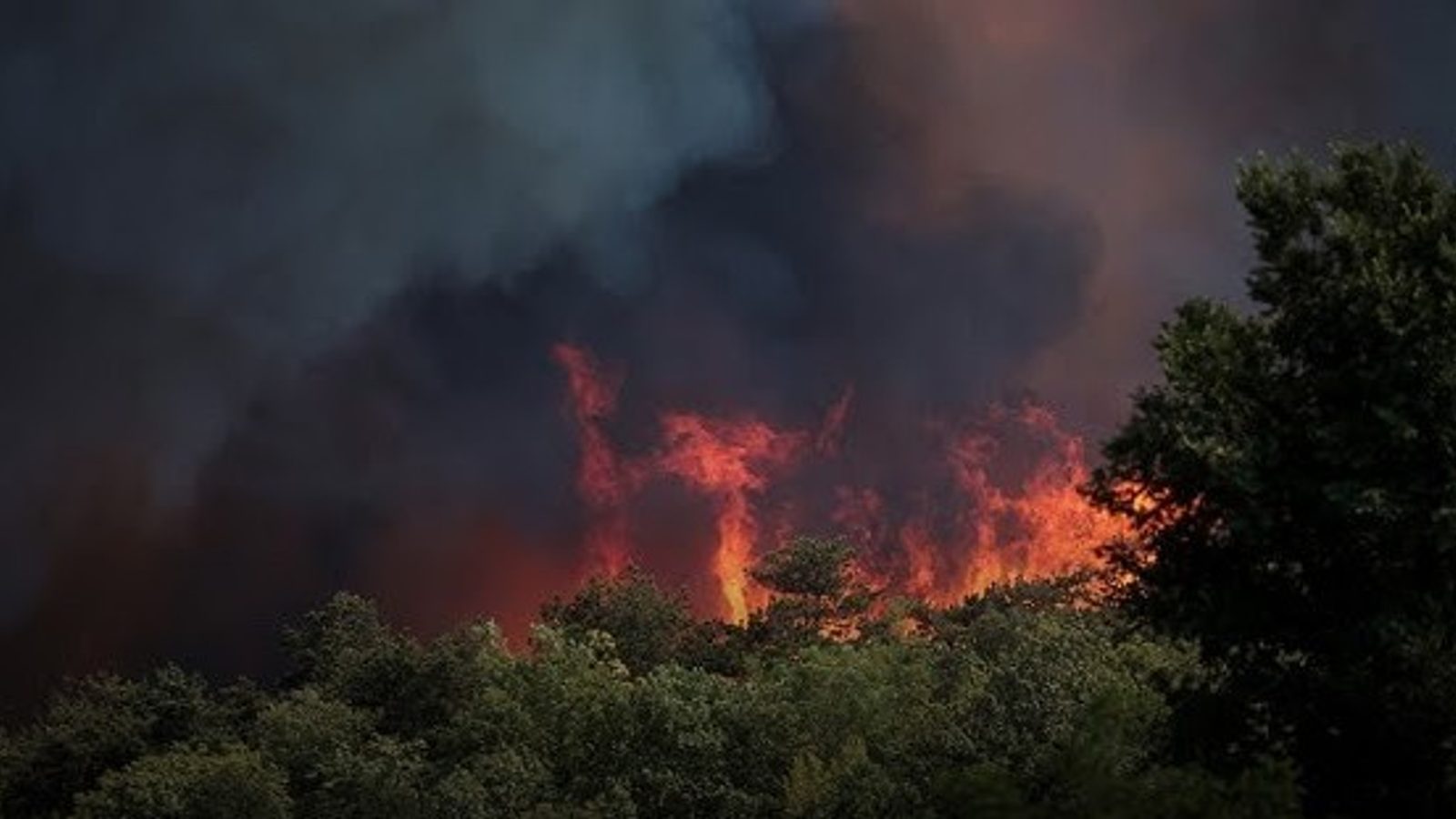
Fire services in France and Spain are reporting a severe shortage of aerial firefighting aircraft, pushing policymakers and specialists to reconsider long-term strategies. The European Commission and major agricultural organisations have recently endorsed renewed use of traditional pastoralism—using goats and sheep to graze low vegetation—as a preventive tool against large wildfires.
Field studies carried out in the Spanish regions of Extremadura, Andalusia and Valencia found that livestock grazing of understory vegetation measurably slows the advance of forest fires by reducing available fuel. Local researchers and farming groups say that managed grazing creates natural barriers and a more fragmented landscape that is harder for flames to cross.
How grazing reduces fire risk
Grazing lowers the density of grasses, shrubs and other fine fuels that carry fire across a landscape. Shepherds also help maintain access routes, clear undergrowth around settlements and preserve mosaic patterns of land use that interrupt continuous fuel beds—measures that aerial tankers and ground crews cannot achieve alone.
Crisis-management experts warn, however, that political attention remains focused on deploying resources to extinguish already burning fires rather than on systemic prevention. They argue that the imbalance—prioritising suppression over landscape-level measures—leaves communities exposed season after season.
"Just as we recognise the need to fund firefighting services, we must also acknowledge and pay the work of shepherds," said Jordi Vendrell of the Pau Costa Foundation, which researches forest fires.
Advocates say combining improved aerial capacity with targeted subsidies, regulatory changes and support for shepherding could produce a more resilient approach. Implementation challenges include financing, land-tenure rules and scaling pilot schemes, but backers see official support from Brussels and agricultural associations as a turning point for prevention-focused policy.
Photo: press material from the event