European Commission: Public healthcare failing in North Macedonia; citizens pay up to 42% out-of-pocket
The EU executive warns of high out‑of‑pocket payments, incomplete electronic records, weak screening and lax smoking enforcement.
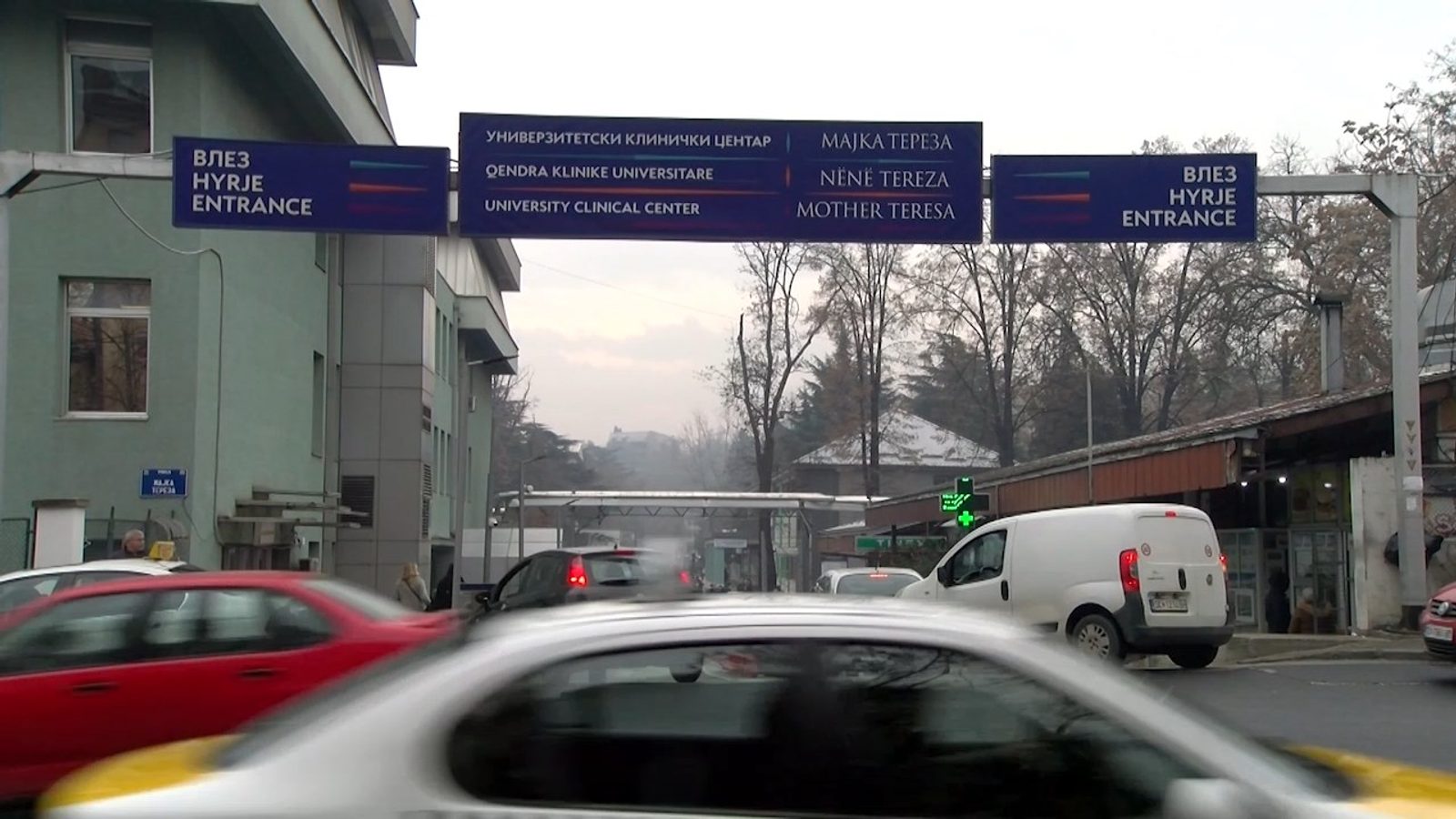
The European Commission's latest progress report flags serious weaknesses in North Macedonia's public healthcare system, noting that citizens pay up to 42 percent of health costs out of their own pockets and that access to many specialist services is inadequate.
In a direct passage, the report states: "Universal health coverage is provided free of charge through primary healthcare, but patients must pay for certain hospital services, specialist consultations and medicines. The range and availability of health services, especially specialist services, as well as their geographical distribution, are inadequate. The number of nurses per 100,000 inhabitants remains below the EU average. The outflow of medical staff from the public to the private sector and abroad continues."
The Commission also highlights gaps in national oversight: the electronic health system collects data only from public institutions, leaving private-sector consultations, procedures and prescriptions incompletely recorded and patients' medical records fragmented. That lack of visibility gained attention amid allegations that cardiac surgery procedures were performed in private hospitals without clear medical indication, allegedly for profit; the report notes that a full institutional resolution of those allegations is still missing.
Screening, smoking control and rising cancer figures
On prevention, the report warns that existing screening programmes do not reach enough people. "Screening programmes for early detection of colorectal cancer and breast cancer are ongoing, but HPV testing has not yet been introduced as part of cervical cancer screening. Greater public awareness and participation of target groups in screening is needed. In 2025 the number of registered cancer cases and the mortality rate from these diseases continued to increase."
The Commission also points to weak enforcement of indoor smoking bans: smoking is reportedly still tolerated and goes unpunished in public institutions, some health facilities and hospitality venues. The government had promised a stringent anti-smoking law, but after pressure from the hospitality sector several provisions were scaled back and the new law — which was initially supposed to come into force in March — remains stalled in parliamentary procedures.
Finally, the report underlines corruption risks in healthcare and calls for stronger measures: better planning of health expenditures, further digitalisation and more transparent public procurement to reduce opportunities for misuse of funds and improve control over services.
Photo: press material from the event