SEC: warranty expired for fingerprint devices — temporary fix for Brvenica
SEC says German engineers updated the necessary terminals for Brvenica; a market survey and final expert analysis will determine whether to buy software only or replace hardware.
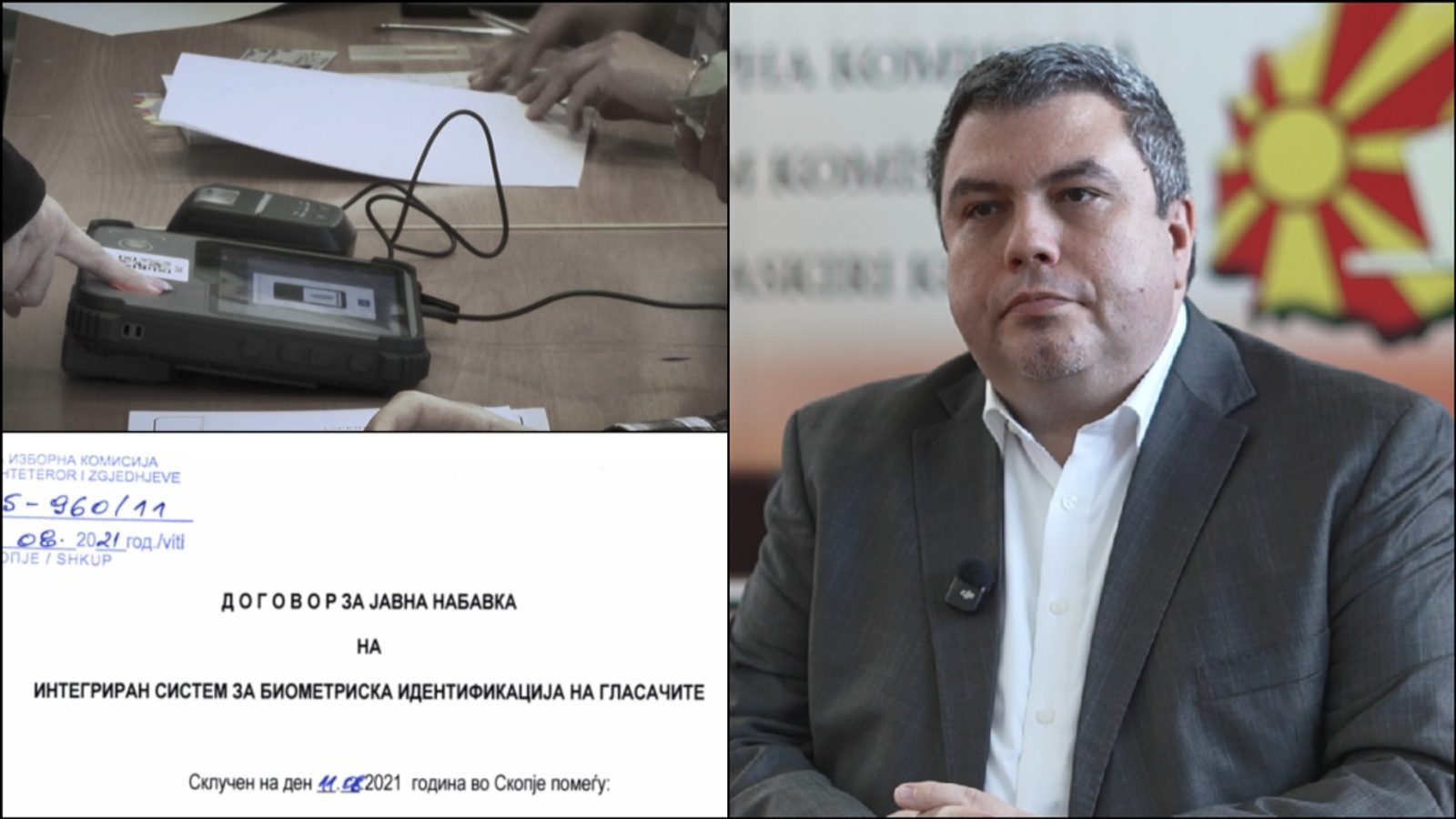
The State Election Commission (SEC) says a temporary fix has been found for next Sunday’s repeat vote in Brvenica, but the five‑year warranty for the fingerprint (biometric) terminals expired in August and a full procurement decision must follow.
SEC Chair Bojan Maričić told reporters that German engineers visited last week and, together with the commission’s technical staff, updated and loaded new data onto the units needed for the Brvenica vote. "Last week German engineers were here who, together with our experts, equipped the devices, updated them with new data and prepared them for the elections on Sunday," he said.
Only the number of terminals required for 24 polling stations were updated. When asked whether the ad‑hoc solution could be challenged legally because the original five‑year maintenance and warranty contract with Dermalog expired, Maričić replied: "There is no reason for contesting it, because under the exactly same conditions the technical specification that applied for 60 months, for 5 years, under the exactly same conditions a contract was signed to ensure functionality for the elections in Brvenica."
Assessment, market research and a new tender
The SEC has already formed a team of independent IT experts that performed an initial analysis of both hardware and software, and a working group will be appointed to survey the market. Maričić said the contract formally ended on 11 August and that the SEC began steps for a new public procurement well before that date: "At the moment when the contract ended on 11 August and even earlier when I arrived, the new composition when it started, we began a series of steps for preparing the new public procurement because we knew there would come a period where a larger public procurement was needed to continue the functionality of this system."
SEC officials estimate the short‑term update required for a portion of the existing devices will cost about €200,000. Maričić added they expect Dermalog’s final report about the 60‑month implementation of the initial contract at the beginning of November and that the Government and Ministry of Finance have been repeatedly informed that budget funds will be necessary. For now, only the funds to cover the Brvenica vote have been secured.
On the larger procurement, Maričić said the SEC will wait for the experts’ final analysis before deciding whether to purchase only software updates or to renew hardware as well: "We are obliged to ensure a functional system under the law. Of course we will do that. 4,000 devices are in our possession, they are stored by the police, kept to high standards and we of course care for their safekeeping and functionality," he said.
Maričić warned that any talks about snap parliamentary elections must take into account the legal obligation to identify voters biometrically. Citing Article 108a, he stressed: "We are obliged to organize them according to the law. The law prescribes voting only through this device, i.e. through biometric identification of voters and we have no other option." He added that timely budget planning and sufficient time are required to secure software support and ensure all terminals are functional.
Background: the biometric terminals were first used in the 2021 local elections after a political agreement between VMRO‑DPMNE and SDSM. The devices were purchased from the German firm Dermalog at a cost of €11.2 million and were received under then‑SEC chair Aleksandar Dasthevski. The tender process then attracted controversy — one procurement attempt failed, two members of the tender committee resigned and questions were raised about rigging. The State Anti‑Corruption Commission later requested criminal investigation, but the Public Prosecutor’s Office did not find criminal activity. Former Anti‑Corruption head Biljana Ivanovska commented at the time: "What can I say, everyone has their own responsibility and that is the responsibility of the Prosecutor's Office." Problems emerged at some polling stations during the initial rollout, but the devices have been used in subsequent election cycles.
Photo: press material from the event