General strike in Italy on October 30, 2026 over cost of living and rearmament
Nationwide stoppage called by the USB over living costs and reallocation of public spending led to clashes with police in Vicenza and transport disruptions.
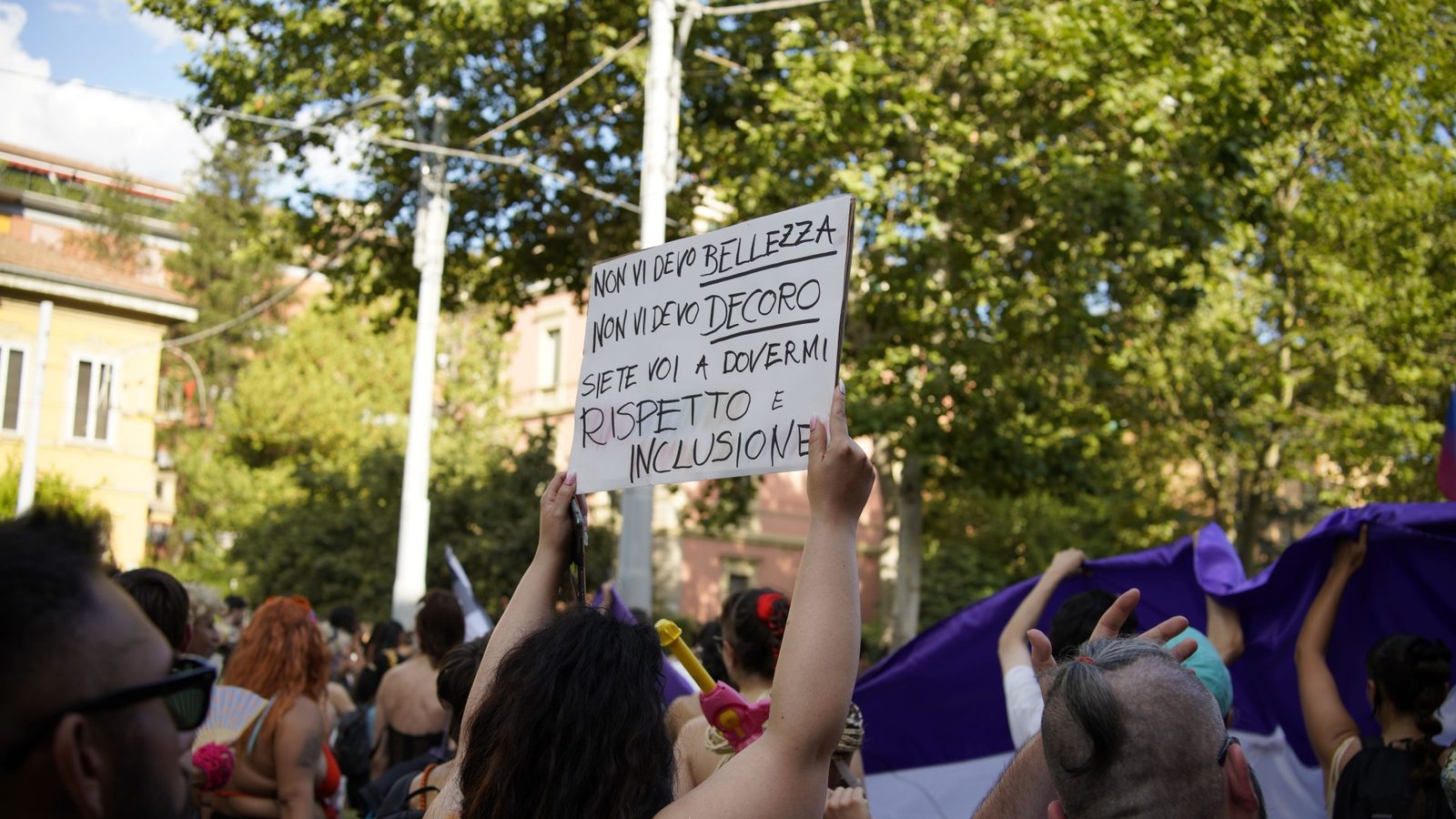
Workers, students and public-sector employees held a nationwide strike across multiple Italian cities on 30 October 2026 to protest rising living costs, stagnant wages and increased government spending on armaments. The action, called by the Union of Basic Trade Unions (USB), affected parts of both the public and private sectors and prompted clashes with police in Vicenza.
Police used water cannon in Vicenza after attempts to break a cordon
Tensions rose after Transport Minister Matteo Salvini ordered the suspension of industrial action in transport on 27 October, citing legal restrictions linked to the period around 2 November — a time when Italy commemorates the dead. Salvini said he considered it his duty to ensure mobility for citizens and judged that the organisers had not respected the legal conditions.
The USB demanded higher pay, lower prices for basic goods, energy and housing, and greater investment in public services, arguing that state funds should be redirected from armaments to measures that improve living standards. The union announced it would not recognise the transport suspension and warned it would provide legal assistance to workers who face sanctions.
Most serious incidents occurred in Vicenza, where police deployed water cannon after demonstrators attempted to breach a police blockade and reach an access ramp to the city ring road. Organisers reported three injured participants, and authorities said demonstrators threw firecrackers and smoke devices.
Protests also took place in Rome, Milan, Turin, Bologna, Trieste, Naples and Palermo. In Bologna pupils blocked the entrances of several secondary schools, while in Turin more than a thousand pupils, university students and education workers joined the demonstrations. Around 500 people gathered at the port in Trieste in the morning, and organisers had said they expected up to 20,000 people in Rome — a pre-gathering estimate rather than a confirmed turnout.
The strike affected healthcare too: some scheduled appointments and non-urgent services faced possible delays, though emergency medical care and essential health services were expected to continue operating.
Photo: press material from the event