Germany to halve Western Balkans work quota to 25,000 from Jan 1, 2027
From 1 January 2027 the special scheme for Western Balkans workers would be cut from 50,000 to 25,000 permits a year, raising competition and uncertainty for applicants from North Macedonia.
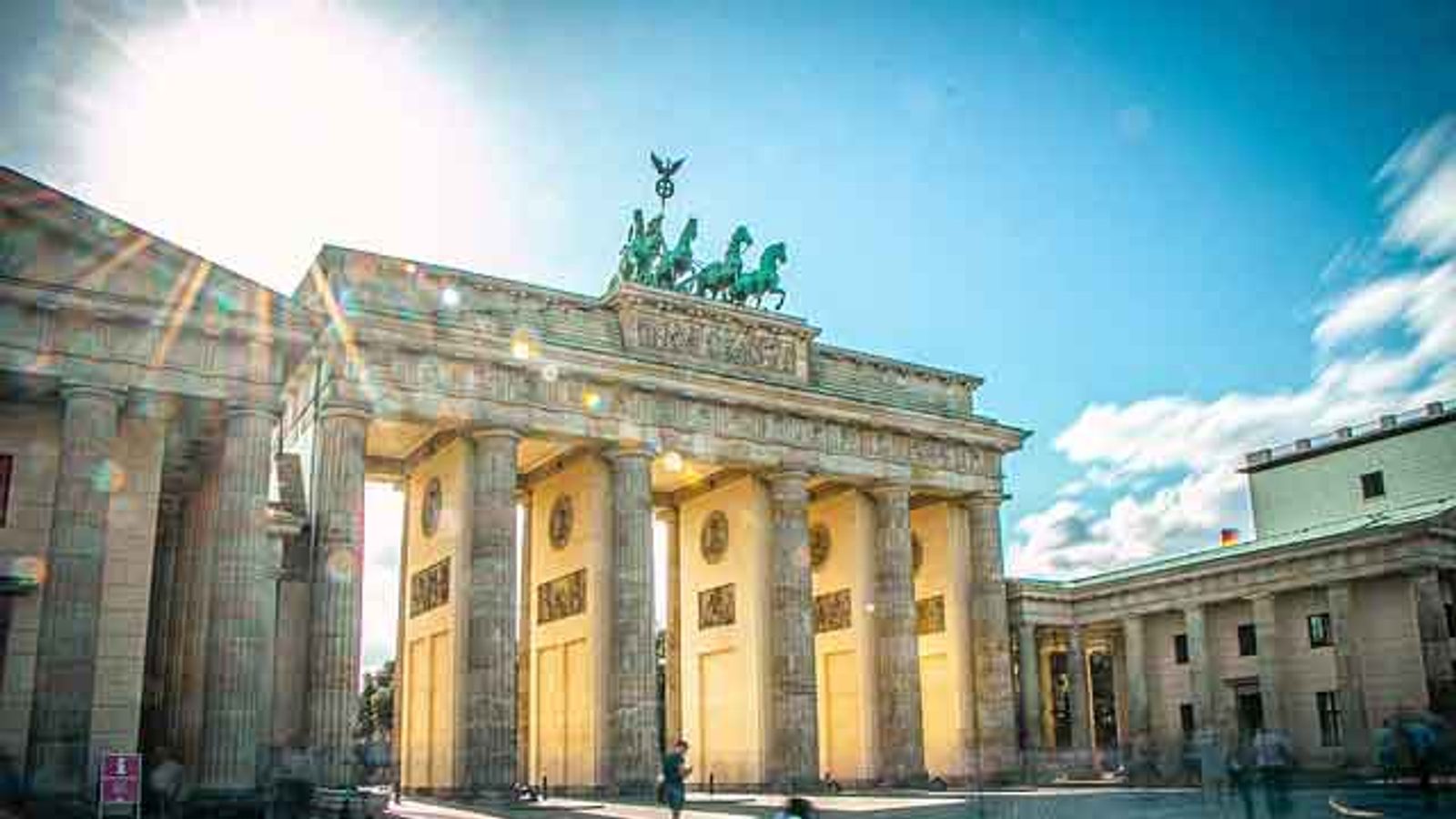
Citizens of North Macedonia and other Western Balkans countries who plan to work in Germany face a substantially tighter entry route from 1 January 2027, after a planned cut to the special annual quota for the region. The change would halve the allotment used by applicants from the six Western Balkans states and narrow a pathway many have relied on to find jobs in Germany.
What will change and who is affected
Under the announced reform, the number of work permits issued via the so‑called "Western Balkans rule" would drop from the current 50,000 to 25,000 per year, effective 1 January 2027. The reduction applies collectively to citizens of North Macedonia, Serbia, Albania, Bosnia and Herzegovina, Montenegro and Kosovo, not as a per‑country quota.
The rule has allowed nationals of those six countries to obtain a work permit on the basis of a concrete job offer or employment contract with a German employer without necessarily holding formally recognised professional qualifications. That flexibility made the German labour market attractive for workers from the region, especially in sectors with chronic shortages.
The reform would intensify competition for a smaller pool of permits and likely lengthen waiting times for applicants already preparing to move. Construction, hospitality, manufacturing, transport and logistics are among the industries that have historically employed large numbers of Western Balkans workers and could feel the impact most strongly.
German officials say the measures form part of a broader 34‑point reform package agreed by the governing coalition of the Christian Democratic Union and Christian Social Union (CDU/CSU) and the Social Democratic Party of Germany (SPD). Increased unemployment in Germany is cited as a central reason the government is rethinking some channels for non‑EU labour.
Despite the cut, the German labour market would remain accessible through other legal routes for candidates who meet standard requirements, including recognised qualifications. Prospective applicants are advised to monitor official announcements closely and secure a job contract and required documentation promptly if they intend to apply in 2027.
Photo: press material from the event