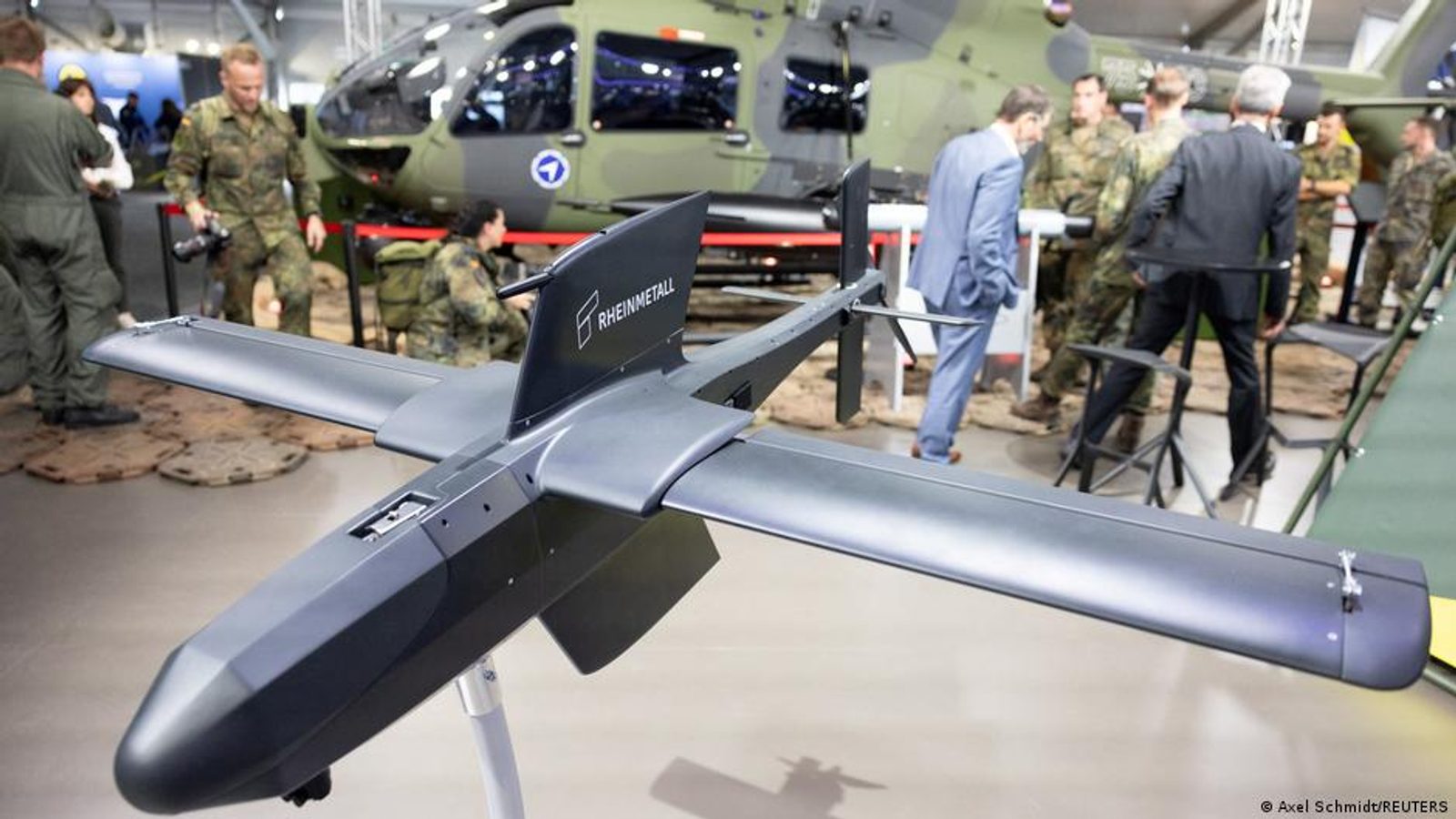
German economy grows 0.3% in Q2 despite war with Iran
Revision to official data lifts Q2 GDP to 0.3%, with exports and manufacturing as main contributors.
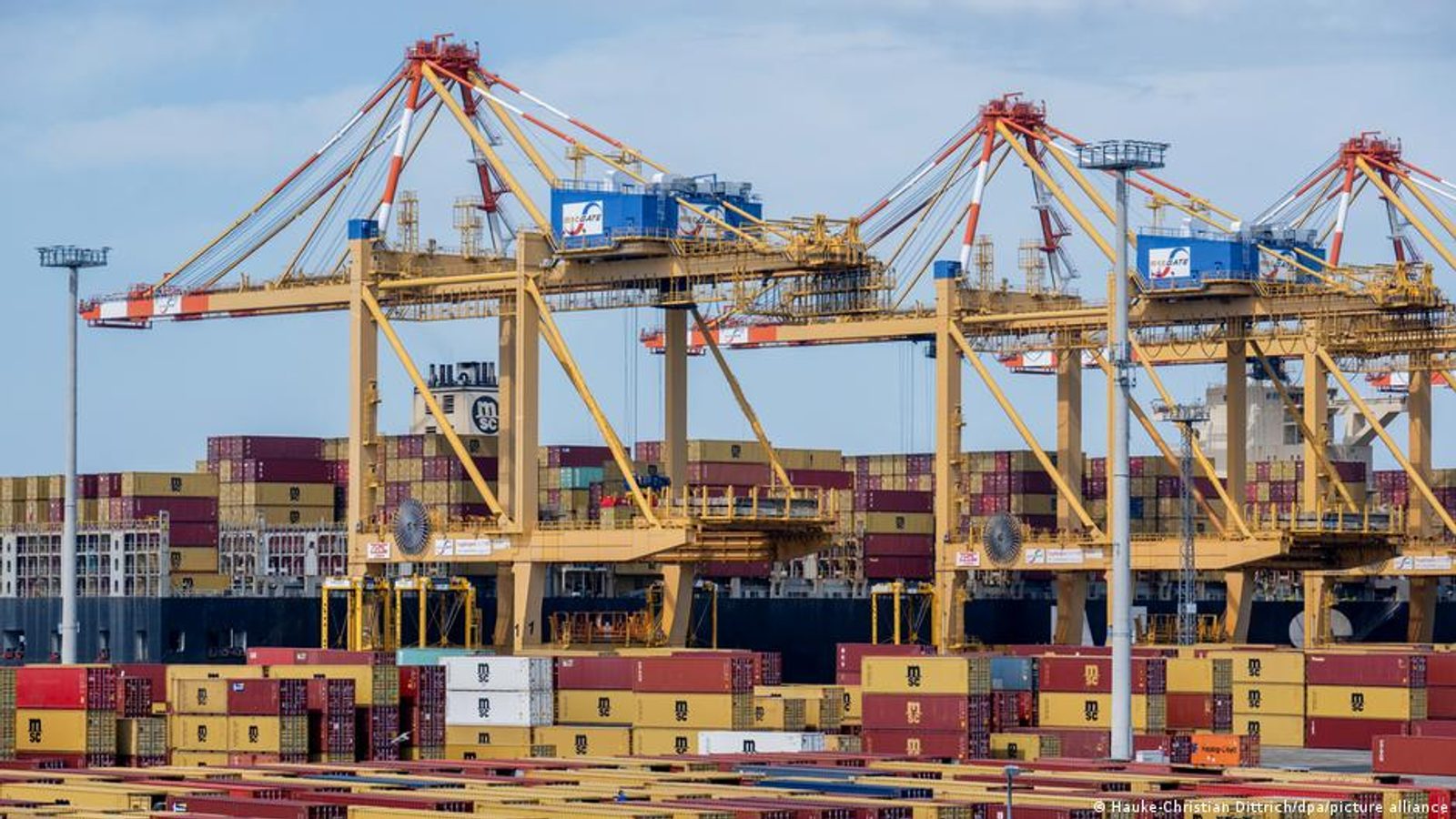
Germany’s economy expanded by 0.3 percent in the second quarter of 2026, driven principally by stronger exports, a rebound in industrial output and growth in the services sector, the Federal Statistical Office in Wiesbaden reported on 25 August 2026.
The office revised its preliminary GDP estimate published at the end of July upward by 0.1 percentage point. “The growth momentum of the German economy since the start of the year continues,” said Ruth Brand, president of the Federal Statistical Office.
Trade and production lifted the quarter
Updated external-trade data showed goods exports rose 2.6 percent in Q2, while service exports were unchanged, leaving total exports up by 2.0 percent. Imports also increased: goods imports climbed 2.1 percent and services imports rose 0.3 percent, for an overall import increase of 1.5 percent.
Gross value added for the economy rose 0.4 percent. Manufacturing grew by 0.9 percent, with notable gains in chemical production and electrical equipment. Construction recorded a small decline of 0.1 percent, which the statistics office said at least partly eased the negative trend seen in previous quarters.
The services sector expanded broadly: nearly all service sub-sectors posted growth. The largest quarter-on-quarter increases—each 0.6 percent—were recorded in information and communication, real estate and residential activities, and public administration and related services. Financial and insurance services were the only services subsector to see a fall in gross value added.
Analysts noted the expansion came despite geopolitical headwinds linked to the war with Iran, underlining that external demand and industrial activity remained the main engines of growth during the spring months.
Photo: press material from the event