German climatologist says this summer is likely the coldest in 300 years
Andreas Jäger warns that accelerated climate change is increasing weather variability, producing both record heat and unusual seasonal cooling.
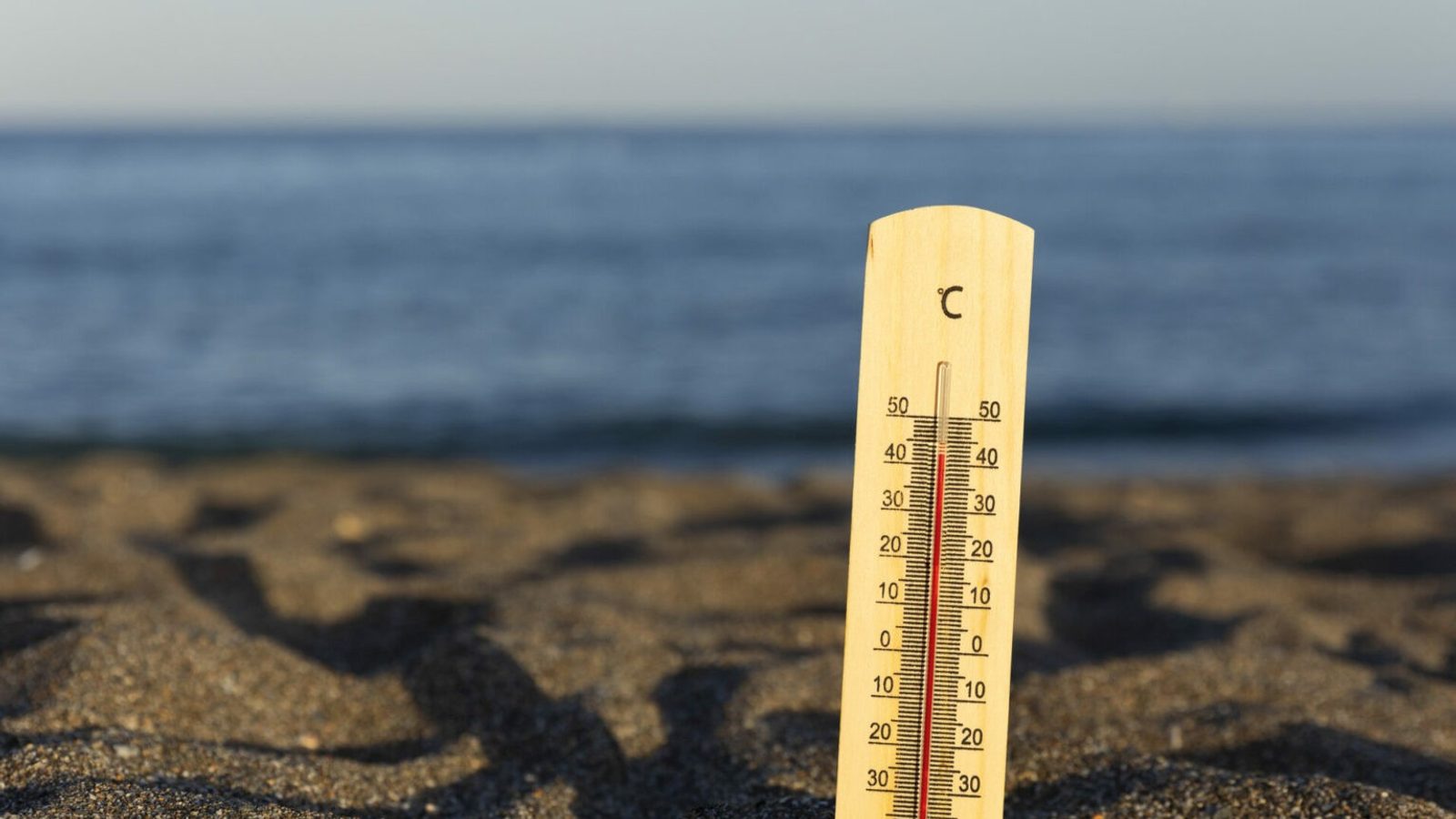
German climatologist Andreas Jäger warned on August 11, 2026 that accelerated climate change is producing greater swings in weather and that "This is probably the coldest summer in the next 300 years" for Europe and the wider world. He said extreme temperatures and violent storms will not disappear despite recent contradictory patterns.
Jäger stressed that the phenomenon is rooted in physics and not political rhetoric, and urged policymakers not to postpone mitigation measures because of other crises.
His remarks came amid a sequence of events that combined an intense heat wave with subsequent heavy rainfall and several landslides in Tyrol. Jäger noted that the June before the rains had been unusually severe — a pattern he said has not been seen since the start of the millennium — and together with the 2015 heat wave produced some of the highest recorded temperatures in monitoring history. More than half of meteorological stations, including sites in the Austrian Alps, reported historic heat records.
Mixed extremes as a symptom of a changing climate
Scientists describe the current situation as increased variability: as the climate system warms, the frequency and intensity of both heat extremes and heavy precipitation events can rise, producing rapid swings between hot and cold, dry and wet. Jäger warned that those fluctuations will continue even where seasonal averages show cooling.
He said public awareness has grown after visible impacts such as landslides and record heat, but that awareness must translate into immediate policy and infrastructure responses. "This is probably the coldest summer in the next 300 years," he reiterated, framing the warning as a call to action for governments and communities.
The climatologist’s statement highlights the complex and sometimes counterintuitive ways climate change can affect regional weather, complicating planning for emergency services, agriculture and transport across Europe.
Photo: press material from the event