Dormition (Great Bogorodica): herbs, customs and why women pause household work
A mixture of church ritual and rural customs: the Dormition closes a two‑week fast and ushers a traditional season for gathering healing herbs.
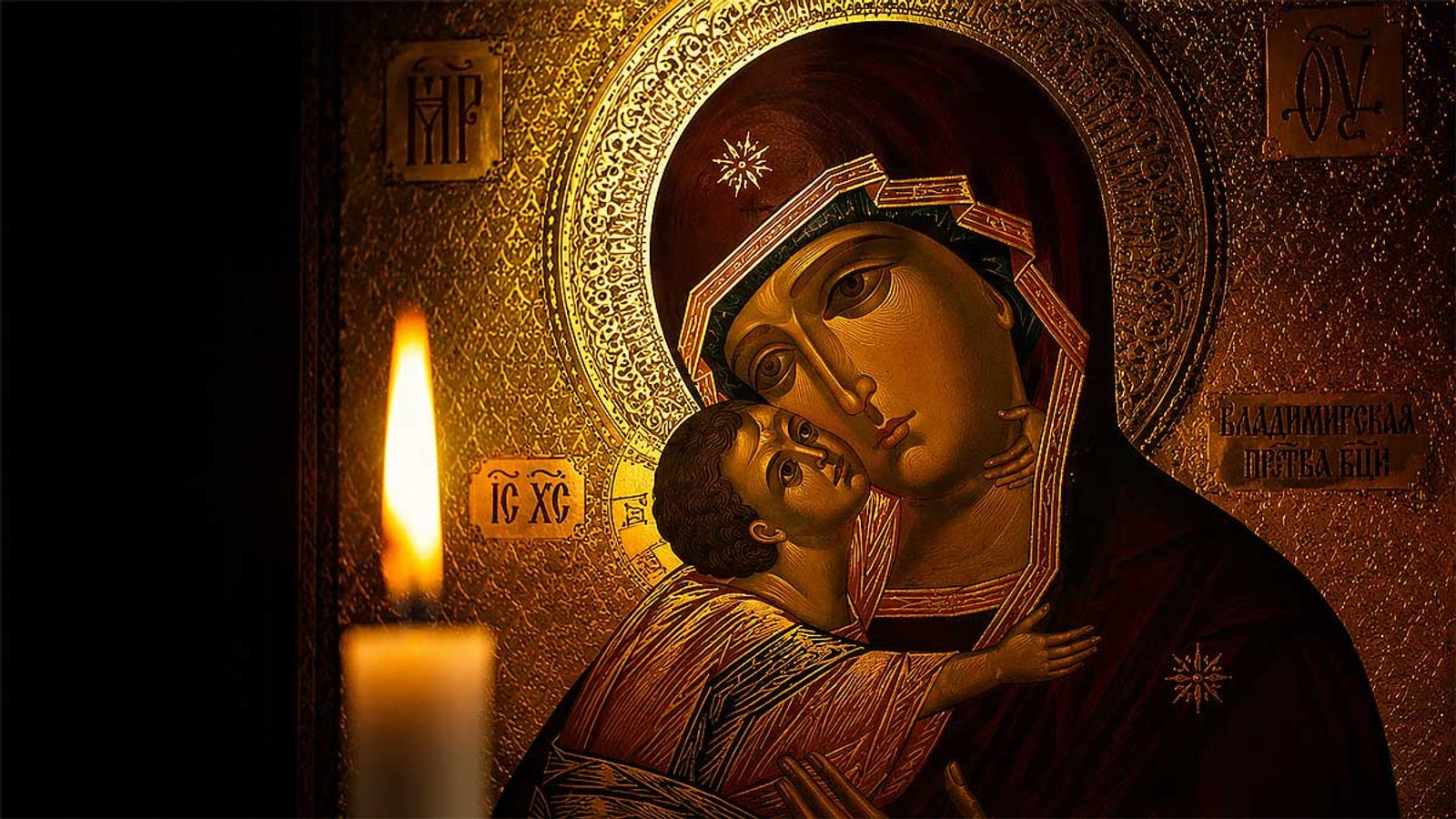
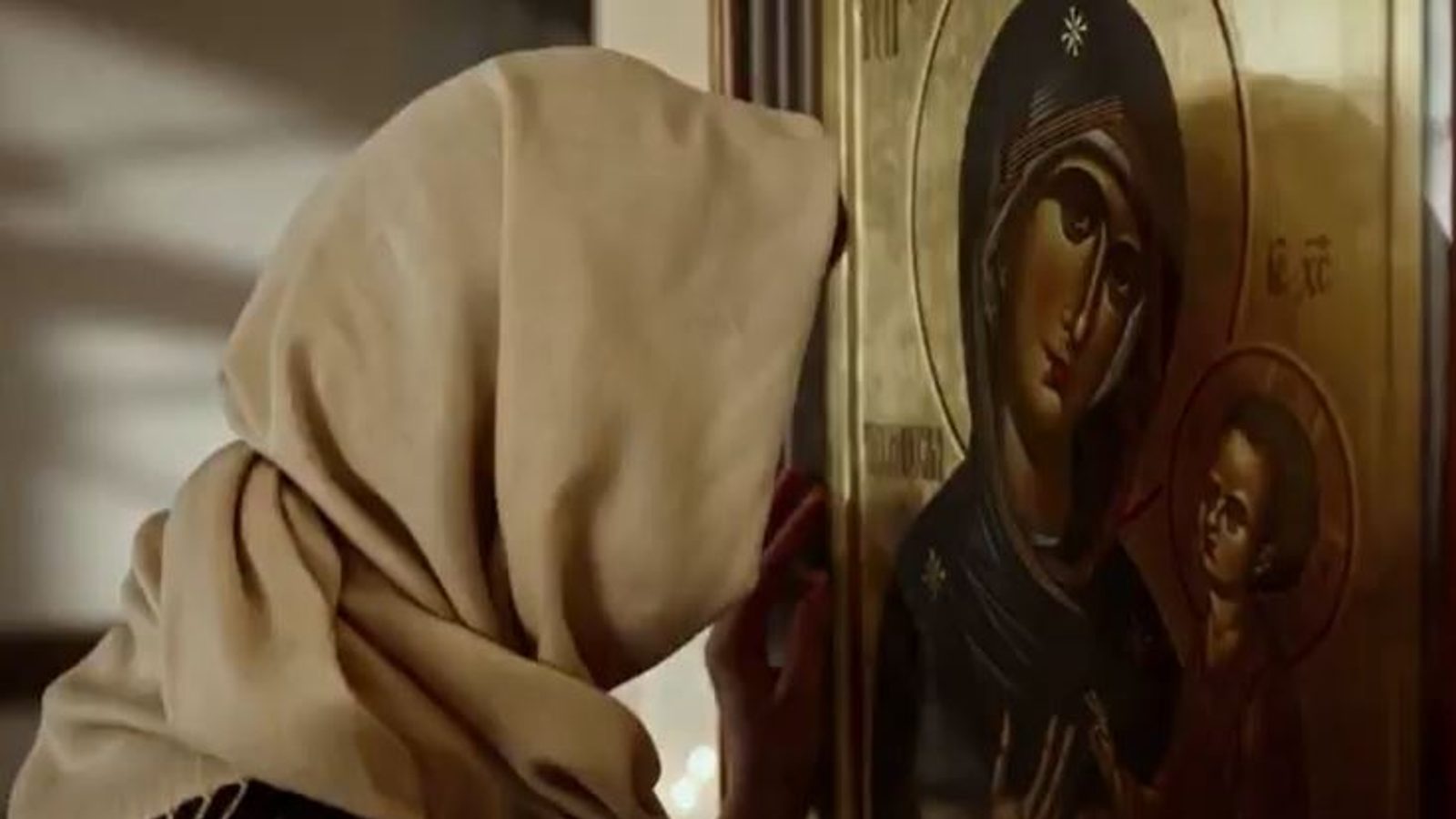
The Dormition of the Blessed Virgin — known in popular tradition as the Great Bogorodica — marks one of the cornerstones of Christian observance across Orthodox, Catholic and some Protestant communities and is celebrated on August 15. For many believers the day combines liturgical solemnity with a set of rural customs that connect family life, women’s roles and the healing power of nature.
Fasting, calendars and a pause for household work
In church calendars the feast closes a two‑week fast dedicated to the Virgin. While most communities observe the day on August 15, Orthodox churches that follow the Julian calendar celebrate it on August 28. Popular practice often obliges women to avoid heavy domestic chores on the holiday, especially sewing or needlework, which are traditionally seen as inappropriate for the day.
Folk belief gives a special place to the weeks after the feast and the interval leading to Small Bogorodica (September 21). This period — commonly called the mezhudnevnica — is considered especially favourable for gathering medicinal plants: herbs collected now are believed to carry stronger healing properties and are saved for use throughout the year.
Among the herbs and wild plants traditionally collected are:
- basil — regarded both as a healing and protective plant;
- ajduchka trava, kantarion (St. John’s wort) and wild basil — cured and stored for year‑round use;
- blueberries and other forest fruits — gathered to strengthen health and immunity.
Besides herbs, folk observances include visits to springs believed to have curative water; people wash themselves there seeking health and recovery. Many families also mark the feast at home with a domestic slava and a specially prepared fasting or festive table.
The church teaches that Mary, the mother of Jesus, completed her earthly life in holiness and was taken into heavenly glory both in soul and body. The tradition tells how, before her repose, the archangel Gabriel appeared to announce that she would rest in three days. When the apostles later opened her tomb they found only her shroud, which the faithful interpret as a sign of her bodily assumption.
Scriptural and liturgical memory is woven through these customs. When Christ hung on the cross he turned to the apostle John and said: "Woman, behold your son!" and then to John: "Behold your mother!" The narrative of the Dormition also records Mary’s appearance to the apostles and her farewell words: "Rejoice, I will be with you forever." For many households the feast remains a moment to honor mothers, protectors and the natural remedies that sustain family health.
Photo: press material from the event