Mother donates kidney to son with Alport syndrome in North Macedonia
Gordana Loleska, carrying a related genetic variant herself, became a live donor after multidisciplinary assessment; both are now recovering.
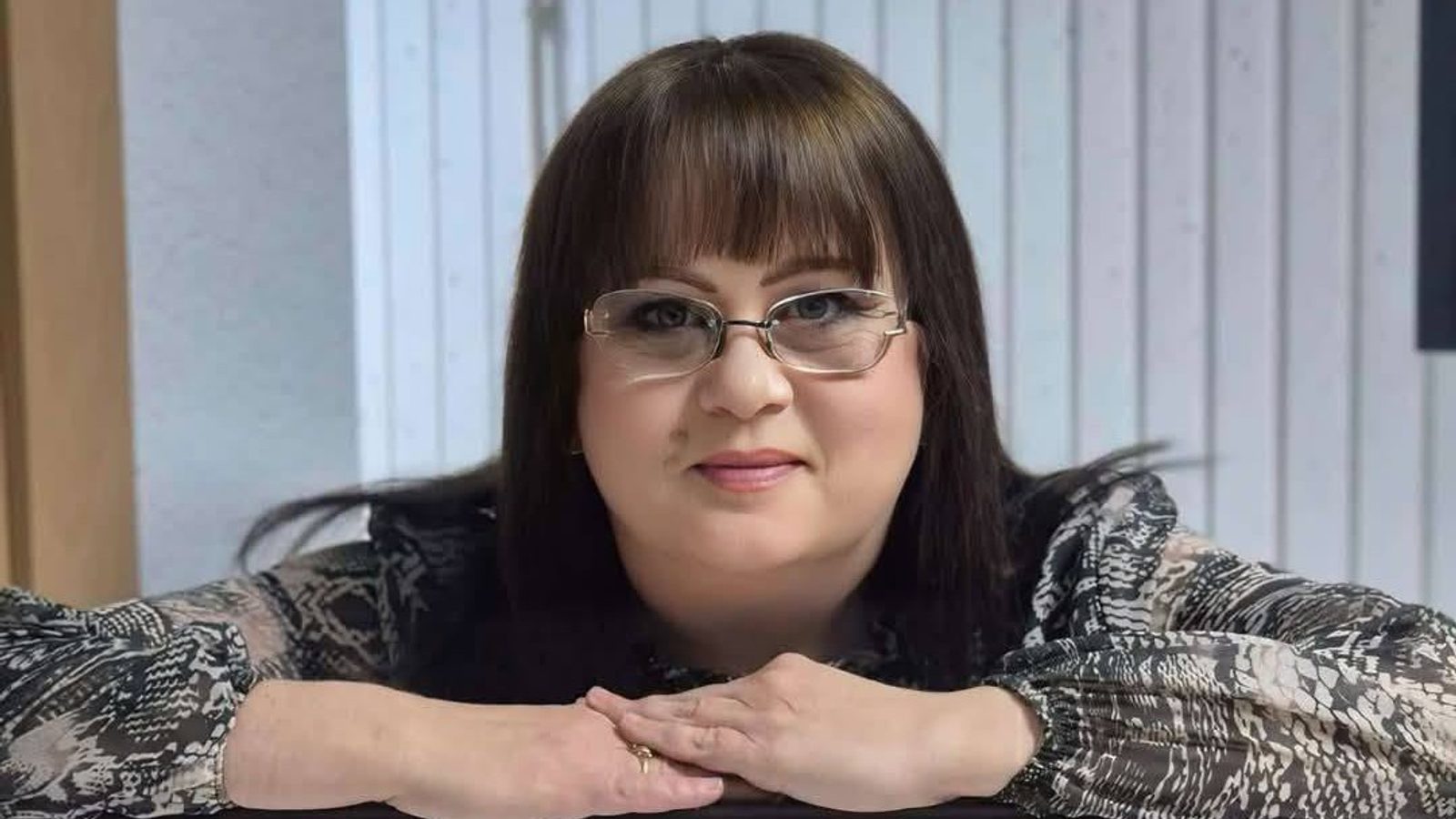
After nearly two years on dialysis, 25-year-old David from Ohrid, who has Alport syndrome, received a kidney transplant from his mother, Gordana Loleska, in a case described by doctors as medically complex and unprecedented in the country.
Live donation after careful genetic and clinical evaluation
Gordana, who leads the patient association Rare to Be Rare and has followed international research on Alport syndrome for years, volunteered to be a live donor despite carrying a genetic variant linked to the condition herself. The decision came after multidisciplinary assessment and detailed risk evaluation by medical teams.
Gordana recalled the long road to diagnosis and the emotional strain that followed: “When I gave birth to David, I gave him life. Neither then, nor in the years that followed, could I imagine that one day I would again have the chance to give him a part of myself.” The genetic diagnosis was confirmed on 13 October 2014, after more than a decade of tests and uncertainty.
The family faced progressive kidney decline and, eventually, dialysis. For almost two years David’s life revolved around the treatments and restrictions of renal replacement therapy. The transplant team says the operation was carried out after careful consideration of international guidance published in December 2024 by ERKNet, ERA and ESPN, which in exceptional circumstances allows live donation from a relative with certain heterozygous genetic variants when risks are judged acceptable.
The transplant was performed successfully; both mother and son are now recovering. David will need lifelong immunosuppression and regular follow-up. Gordana stresses that this is not a general endorsement for every parent with a related genetic variant to become a donor — each case requires individual genetic analysis and clinical risk assessment.
“I don’t feel like a hero. I am a mother,” she said, describing her choice as a maternal decision taken after years of searching for solutions. Gordana thanked the Clinic for Nephrology, the Clinic for Urology, the Clinic for Anesthesia, Resuscitation and Intensive Care and the national transplant coordinators for their expertise and teamwork that made the procedure possible.
For the family the date has special meaning: the transplant took place on the same calendar day — 13 October — when they first learned David’s diagnosis in 2014, marking both the day of diagnosis and the opening of a new chapter in their fight.
Photo: SDK.MK)