Group '764' targets children — experts call for more education and MIA oversight
Experts warn the group uses online manipulation and blackmail; psychologists call for digital education, parental involvement and Ministry oversight.

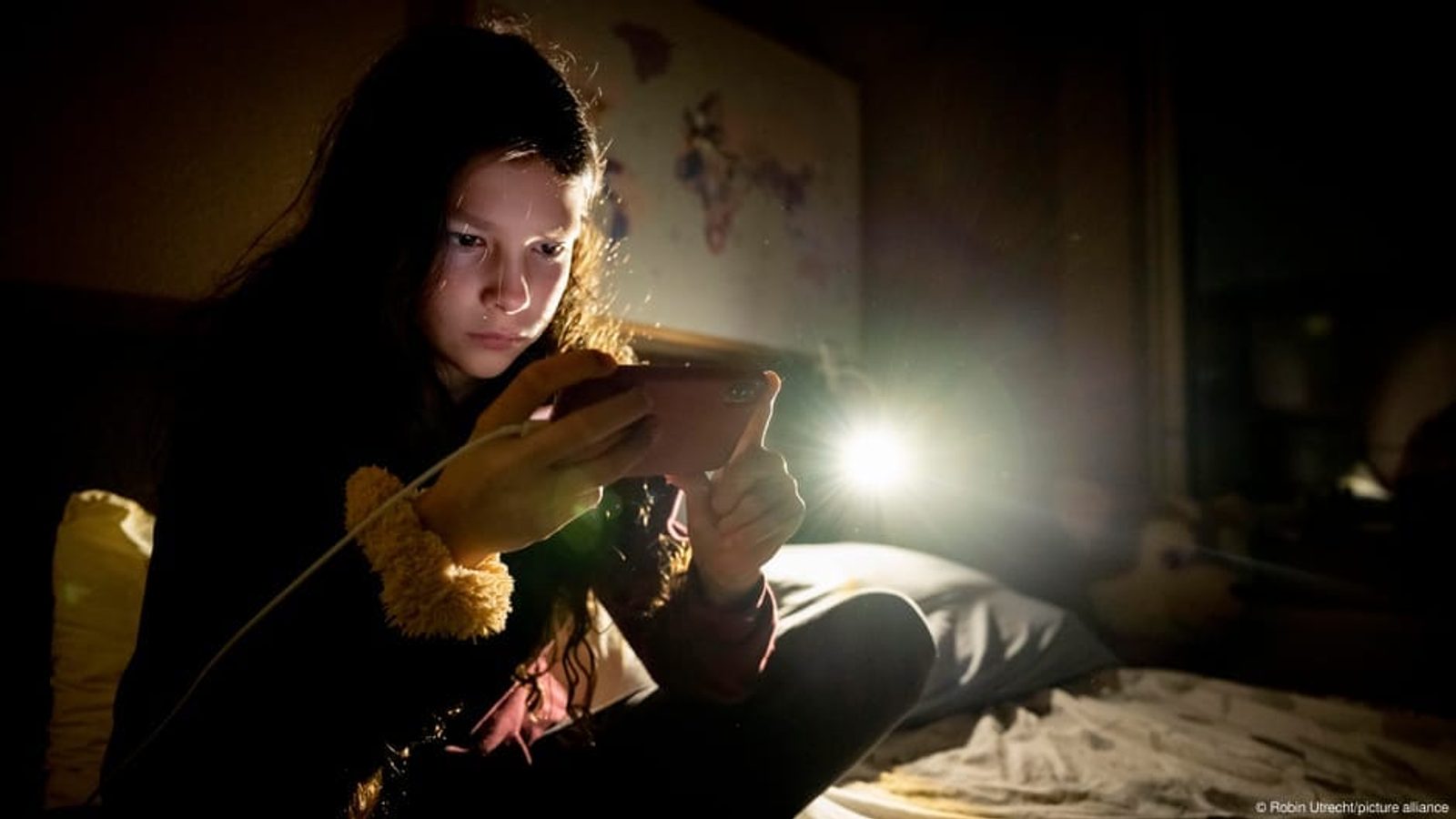
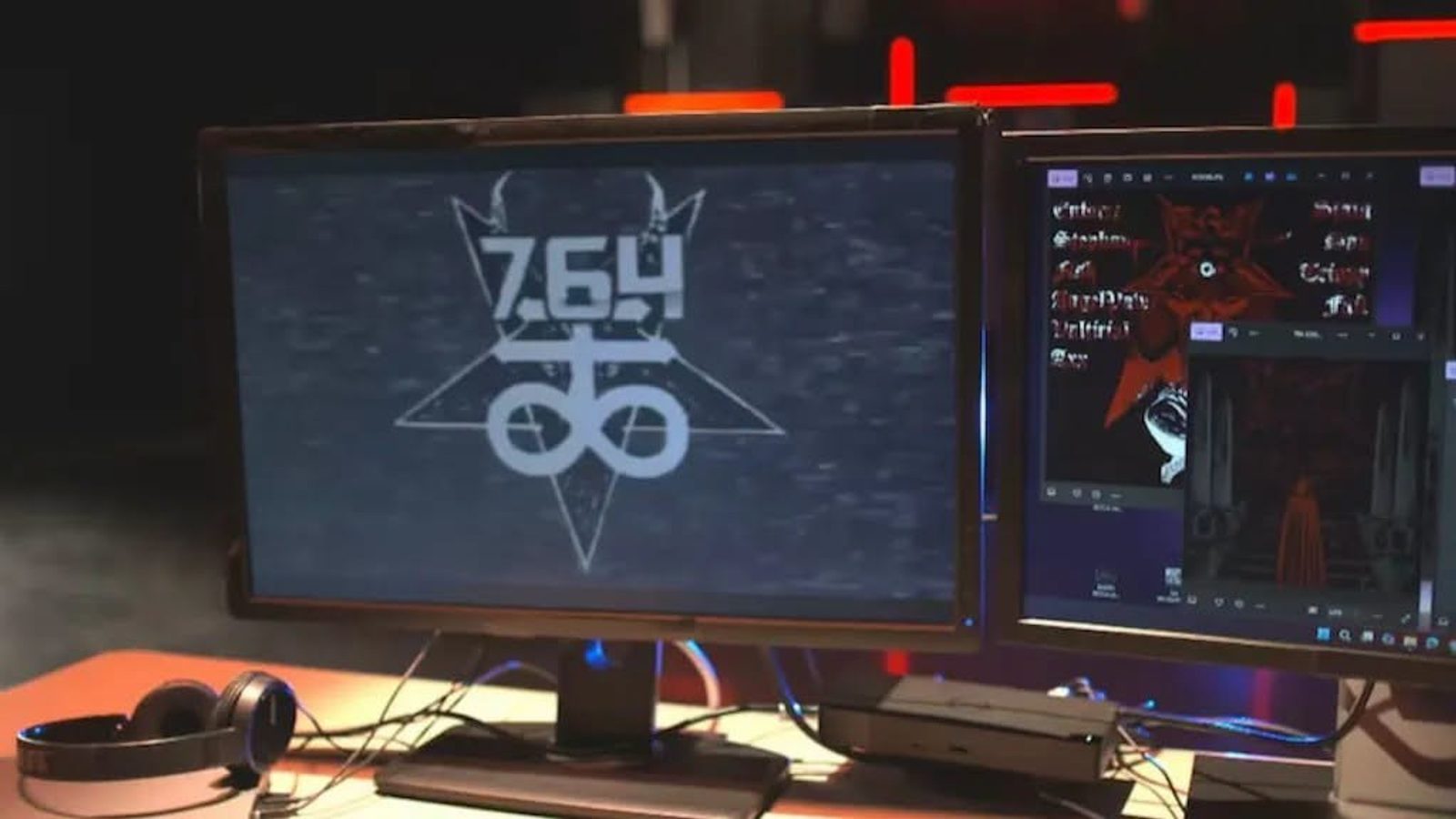
A seemingly friendly online approach — compliments, attention and an offer of companionship — can hide coordinated manipulation that targets minors. Authorities and child-protection experts warn that a group identified as “764” is using such tactics to draw young people into cycles of psychological pressure, threats and blackmail without any physical contact.
“The materials they receive afterwards are then used as a means for further intimidation, blackmail and control over the victims,” says Goce Andreevski.
Psychologists insist that an outright ban on the internet is not the answer. Instead, they call for systematic education for children and stronger oversight by state bodies. Minors are particularly vulnerable when strangers use false praise, extra attention and a sense of belonging to win their trust.
Practical steps: trust, parental involvement and training
“It would be unreasonable to prevent them from using ChatGPT, Google, other websites, from playing games, calling friends, joining groups, Zoom meetings or shared classes — that would be an unrealistic wish — but on the other hand there must be good training on how to protect themselves,” says Mirjana Jovanovska Stojanovska, psychologist.
Experts stress that parents should be part of their children’s digital lives: knowing who they talk to, which platforms they use and what content they follow. Building trust is essential so a child feels safe to ask for help without fear of punishment or shame.
“We perhaps should not teach children so much to avoid the internet, but how to go online, how to use the internet, how to recognize the dangers that lurk there, how to protect themselves, how to protect their data. Why shouldn't there be a game that teaches those exact skills? Maybe our gamers or platform creators — or anyone who can design something for young people — could be motivated to create a tool that precisely teaches them how to protect their name, address, phone number, to shield family members, and not to share their photos,” Mirjana Jovanovska Stojanovska adds, outlining the kind of interactive education specialists want to see.
The message from professionals is clear: safe internet use requires knowledge, responsibility and vigilance. Protecting children online is a shared obligation — families, educators, tech creators and the Ministry of Internal Affairs must all play a part in preventing manipulation and exploitation in digital spaces.
Photo: press material from the event