Queues at Serbian embassy, sparse turnout at Bulgarian embassy in Skopje
1,438 Serbian voters from North Macedonia cast ballots in Skopje and Kumanovo; only 265 Bulgarians registered at seven polling sites.
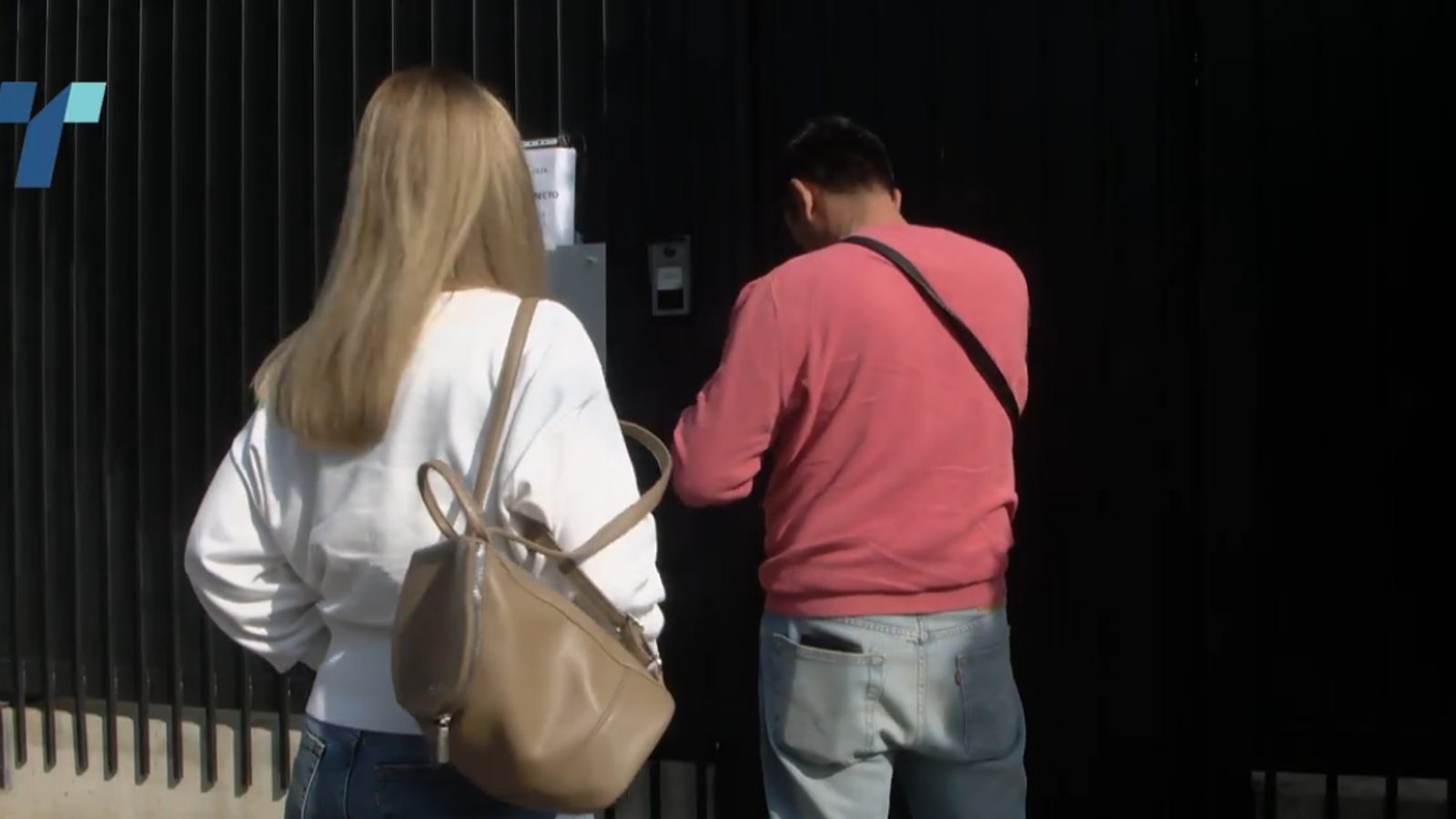
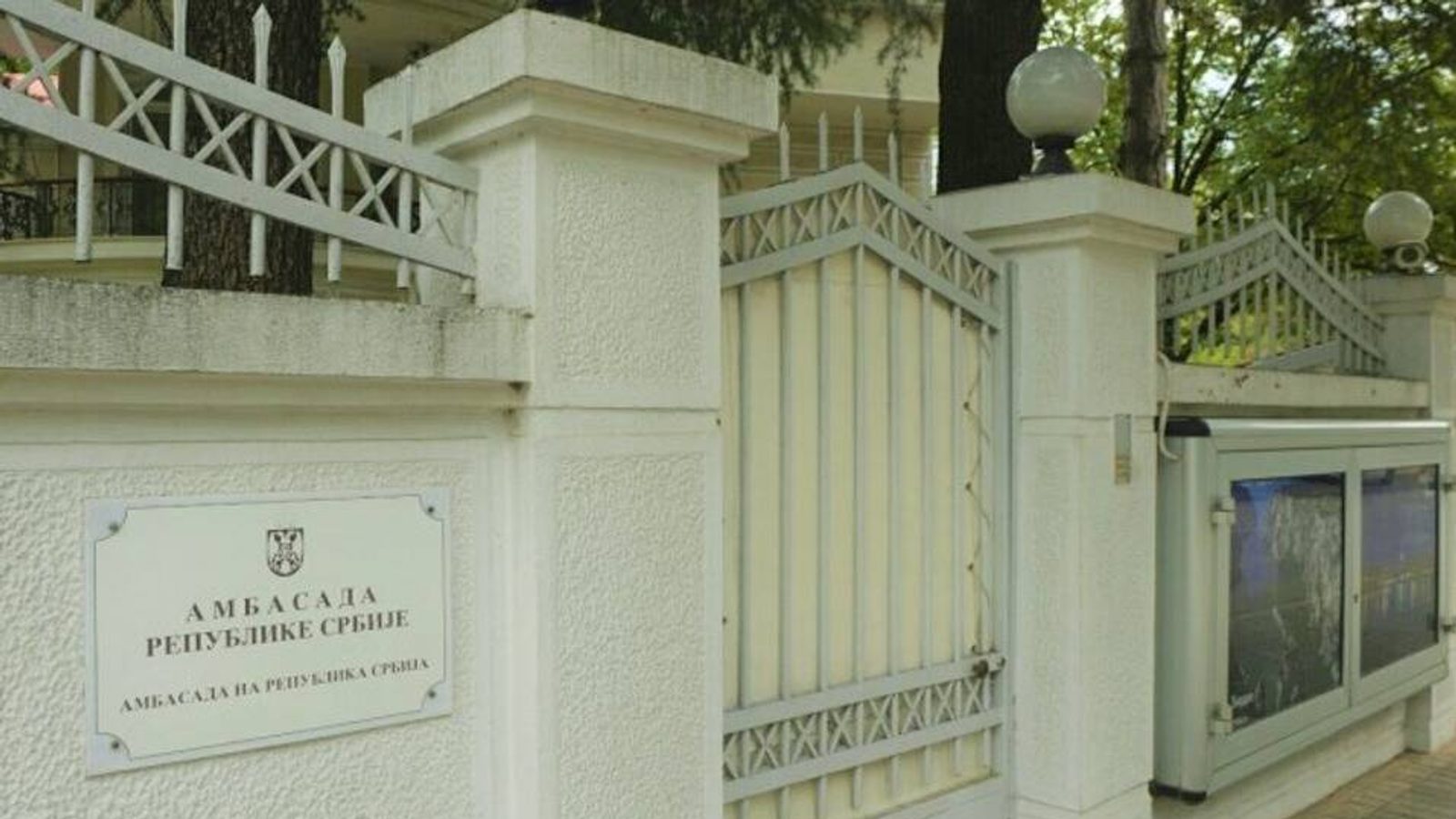
Queues formed outside the Serbian embassy in Skopje while the Bulgarian embassy stood almost empty — a contrasting picture of how citizens of the two neighbouring countries voted in North Macedonia on election day.
For the Serbian parliamentary vote, 1,438 voters from North Macedonia registered to cast ballots; they vote at polling places in Skopje and in Kumanovo. According to the embassy, the two stations opened at 07:00 local time. "I hope for the best for the entire Serbian people, may we always be conscious, conscientious and worthy of our traditions and moral and ethnic values. I hope the day passes peacefully and in the best atmosphere," said Mihajlo Filev, honorary consul of Serbia in North Macedonia.
Different motivations across generations
Many older voters who came to the Serbian polling station said they did not want change. "Honestly, I am not for change in this great global crisis. I expect the current policy to continue to improve the standard of living. There is dissatisfaction, but another chance should be given to continue the policy of improving citizens' economic and social stability," said Liljana Savić Todorovska.
Stojana Stojanović shared a similar view: "The moment is unpopular in the whole region, so it is better to keep what is already known. Here we did not see any plan and therefore it is all risky; people from outside somehow got involved, it started with the young and turned into something completely different. We have already experienced that, in North Macedonia we see things much more realistically from here than they do there. So, I am for peace and stability," she said.
Younger voters waiting in line expressed the opposite opinion in quieter comments: they said they want and expect change but declined to give on-camera interviews.
By the 2021 census, 23,847 people in North Macedonia identified as Serbs, representing 1.30 percent of the resident population. The two polling stations in Skopje and Kumanovo are part of a network of 93 voting locations in 37 countries. Altogether 102,147 Serbian voters registered to vote abroad. The parliamentary contest lists 18 party lists with a total of 2,418 candidates, with much of public opinion split between the list centered on Aleksandar Vučić and the Serbian Progressive Party, and the Student List that emerged from two years of protests after the roof collapse in Novi Sad, in which 16 people died.
Voting also took place for Bulgaria's presidential election, but interest among Bulgarian citizens in North Macedonia was far lower. Only 265 Bulgarians registered to vote at seven polling stations in Skopje, Bitola, Strumica, Prilep, Kavadarci, Kočani and Ohrid — almost half the number who registered for Bulgaria's parliamentary vote in April. No one among the few voters at the Bulgarian embassy in Skopje agreed to be interviewed.
According to census data from 2021, 3,504 people in North Macedonia declared themselves Bulgarian. The Bulgarian presidential ballot presented 27 pairs of candidates; among the principal tickets were incumbent Iliana Yotova with running mate Kiril Valchev, Andrey Gyurov and Georgi Kandev, as well as Kostadin Kostadinov and Petar Volgin. If no ticket meets the conditions to win in the first round, a runoff is scheduled for 1 November.
The scenes in Skopje — crowded lines at the Serbian stations and sparse attendance at the Bulgarian sites — underscored different patterns of mobilisation and political interest among the two expatriate communities on the same election day.
Photo: press material from the event