Houthi seize Moka, Dubab and Perim near Bab el‑Mandeb
Seizure of three western Yemeni positions tightens control near Bab el‑Mandeb and risks bringing Yemen deeper into the regional conflict.
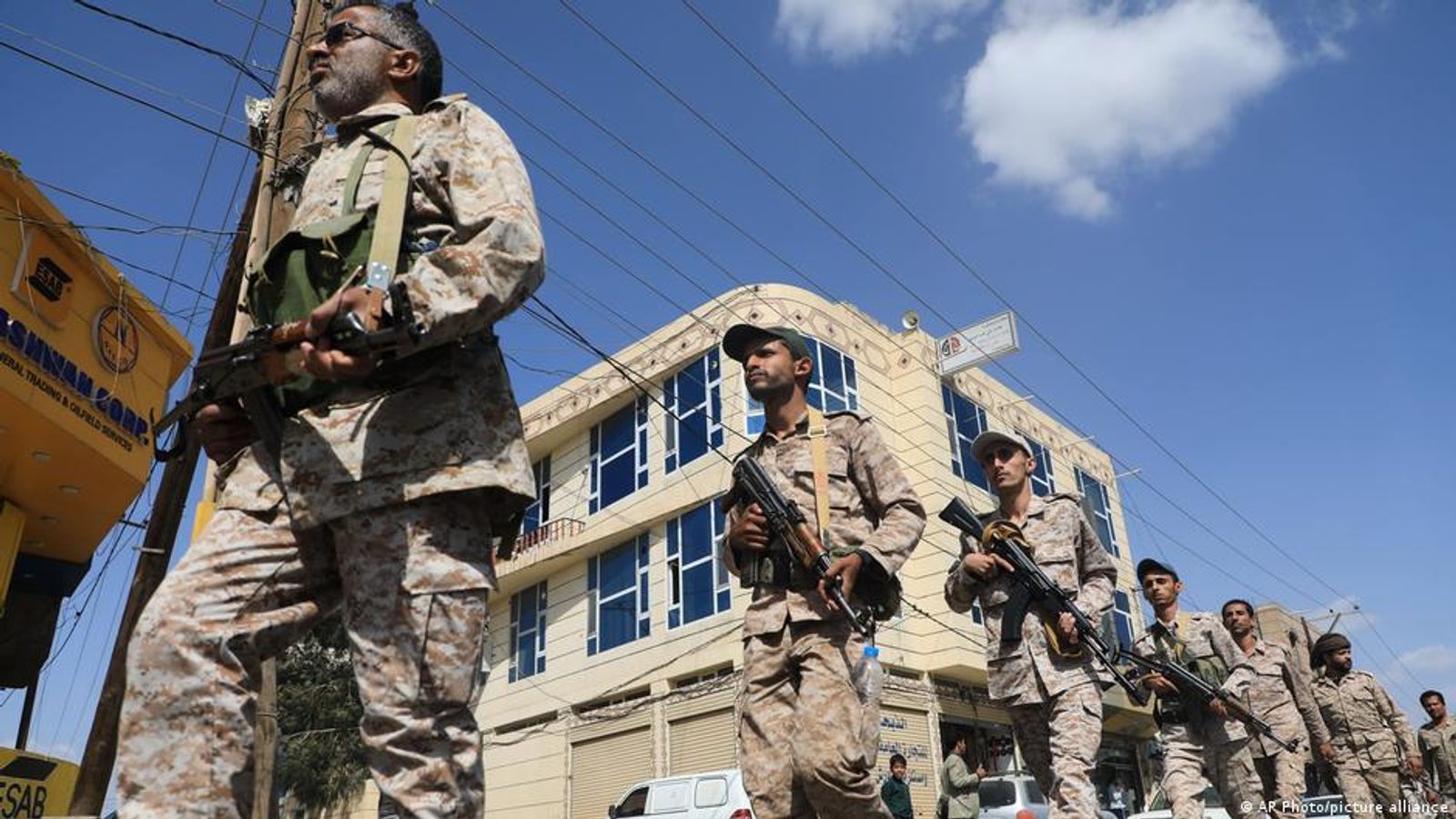
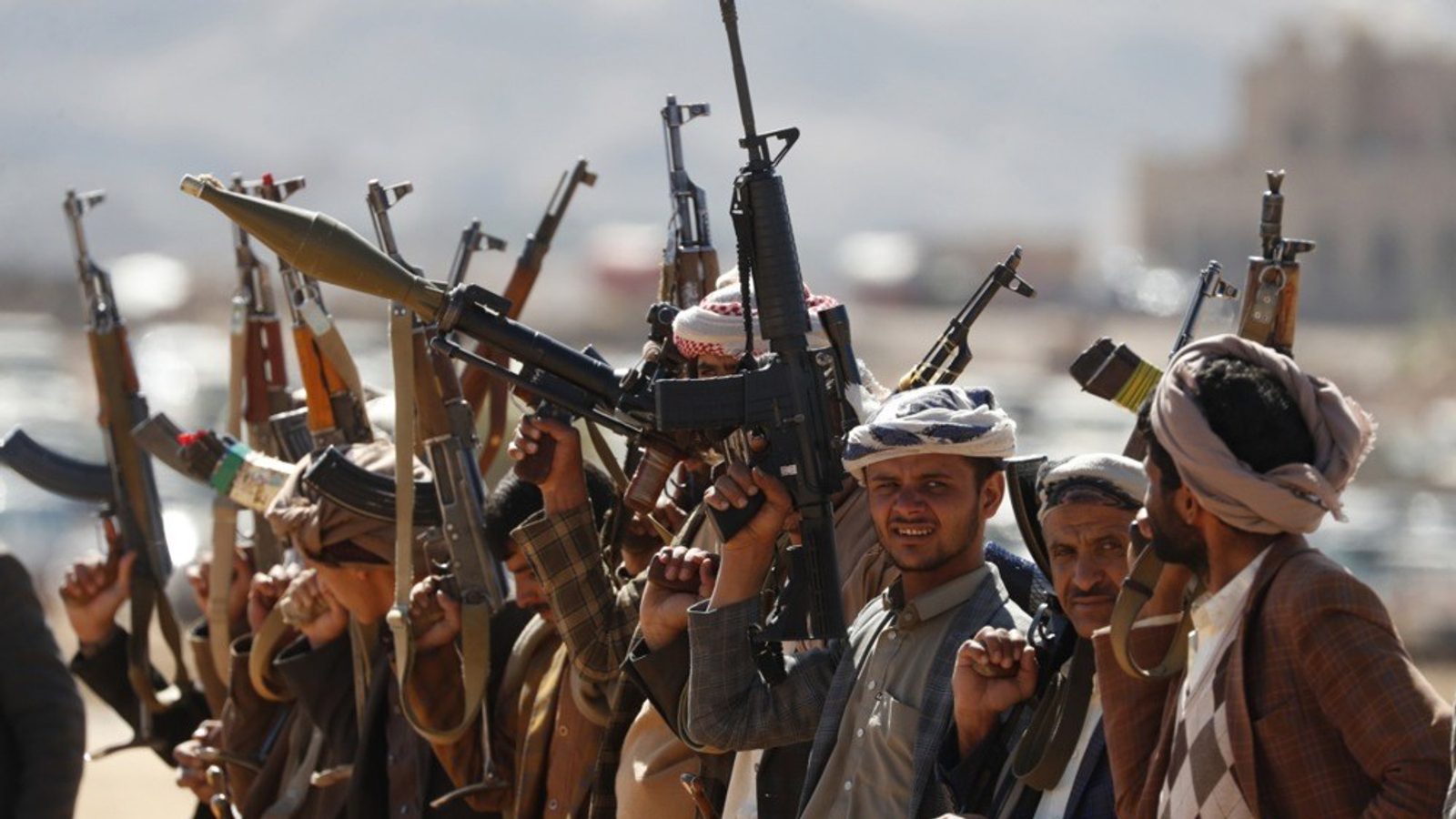
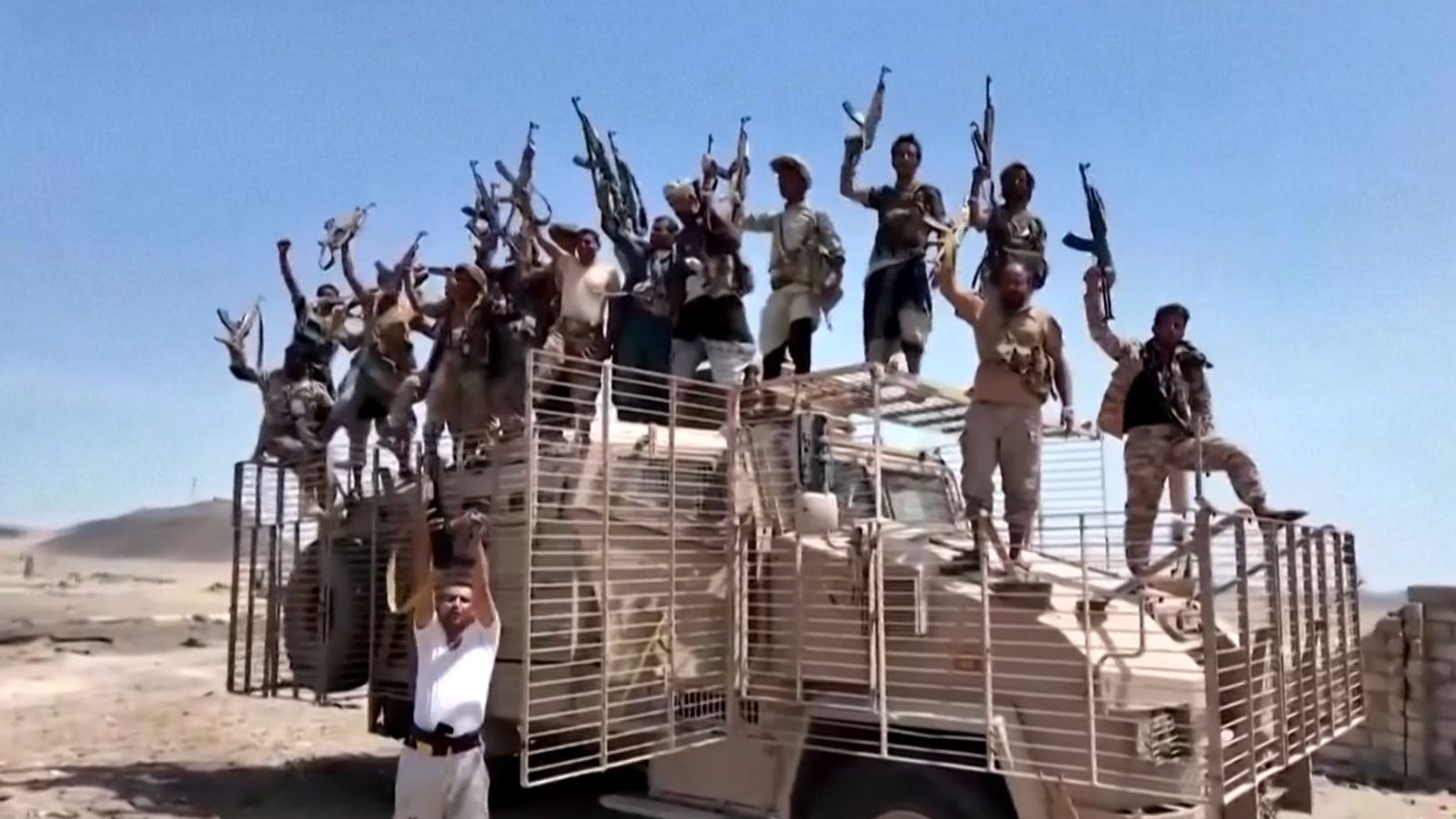
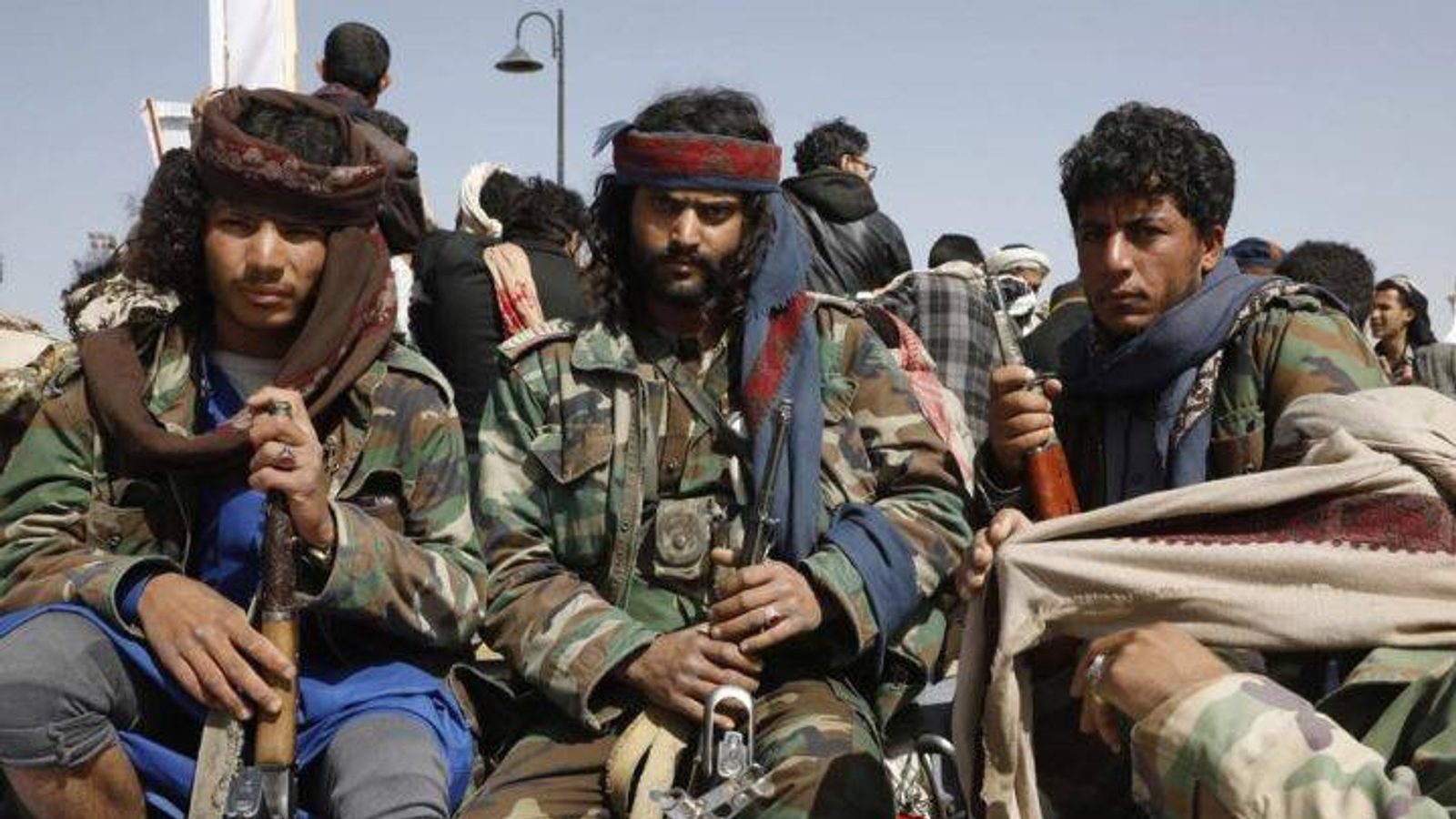
Houthi forces this week seized the Red Sea port city of Moka and then took control of Dubab and the island of Perim, consolidating positions near the strategic Bab el‑Mandeb strait and raising the risk that Yemen could be drawn deeper into the wider Middle East war. The moves mark a significant gain for the Iran‑aligned group and threaten a key shipping choke point.
All three locations had been held by forces loyal to Yemen's internationally recognised government. Bab el‑Mandeb links the Red Sea to the Gulf of Aden, and with Iran blocking the Strait of Hormuz, that narrow passage is increasingly important as an alternative route for Saudi oil exports. Houthi control and the potential to target shipping through the strait give Tehran an additional lever in its confrontation with the United States.
Fighting has spilled beyond Yemen's borders. The Houthi movement exchanged missile and drone strikes with Saudi Arabia and launched dozens of ballistic missiles and unmanned aerial vehicles toward four Saudi cities this week. Saudi Arabia has responded with dozens of air strikes in four Yemeni provinces.
"This is in fact a comprehensive war," said Farea Al‑Muslimi, a Yemen researcher at the London‑based Chatham House. "They are not yet calling it that, but we are inexorably moving in that direction," she added.
Regional calculations and the role of outside states
The latest escalation, which resumed in July after a period of relative calm, has ended the fragile ceasefire that followed years of fighting. A Saudi‑led coalition intervened in 2015 to back Yemen's ousted government after the Houthi takeover in 2014. A U.S. re‑designation in March 2025 listed the Houthis again as a foreign terrorist organisation, and a U.N.‑brokered truce in 2022 had left the country effectively divided.
"The Houthi movement is militarily and institutionally much stronger," said Elham Manea, director of Middle Eastern and regional studies at the University of Zurich's political science institute, "while the opposing camp, i.e. the internationally recognised government, remains more fragmented." Analysts say Riyadh has shifted toward providing greater military, technical and logistical support to the internationally recognised authorities and allied forces, seeking to change the balance of forces rather than launch an outright new war.
Questions also surround the recent defence agreement signed in Mecca with Saudi Arabia, Turkey and Pakistan. Islamabad has so far declined to discuss a military response under that pact, saying it will act "when the time comes," and some analysts doubt Pakistan will intervene directly. "But the escalation in Yemen will increasingly test the state's ability to stay on the sidelines," said Alice Gauer of London consultancy Azure Strategy. "Islamabad does not want to antagonise neighbouring Iran and will try to preserve its role as a mediator, while fulfilling its growing security obligations to Saudi Arabia through intelligence, advice and other forms of military support, but without direct participation."
The human cost is mounting. Hans Grundberg, the UN's representative for Yemen, warned the country faces "the harsh reality" of a return to war. UNDP estimates put total deaths from the conflict between 2014 and the end of 2021 at 377,000. Of those, about 154,000 were directly caused by fighting and violence.
In the current flare‑up, international organisations say nearly 200 people have been killed and roughly 18,500 displaced. "Families arrive with nothing — they have neither shelter nor food, nor any way to know if it is safe to return," said Abdusator Esoev, head of the IOM mission in Yemen. "Many of them are people who have already been displaced once, twice, even up to four times. Every time the fighting flares up, they lose the little they managed to rebuild."
"When a country where nearly two‑thirds of the population need assistance is hit by further instability and displacement, there is a real human cost in civilian lives," added Niku Jafarnia, a Yemen researcher at Human Rights Watch. The renewed battles and Houthi gains along the western coast raise the prospect of repeating the catastrophic civilian toll seen in earlier years of the war.
Photo: press material from the event