IEA: Global oil supply to drop by 5.7 million barrels per day in 2026
IEA warns inventories are falling and Saudi output hit three‑decade lows amid Persian Gulf disruptions.
The International Energy Agency (IEA) now estimates that global oil supply could shrink by 5.7 million barrels per day in 2026 — roughly a six percent reduction compared with current flows — a markedly weaker outlook than its August forecast. Continued disruptions and the extension of the conflict in the Persian Gulf forced the agency to cut its previous projection, which in August had estimated an average decline of about 4.3 million barrels per day for 2026.
Supply shocks, inventory draws and demand declines
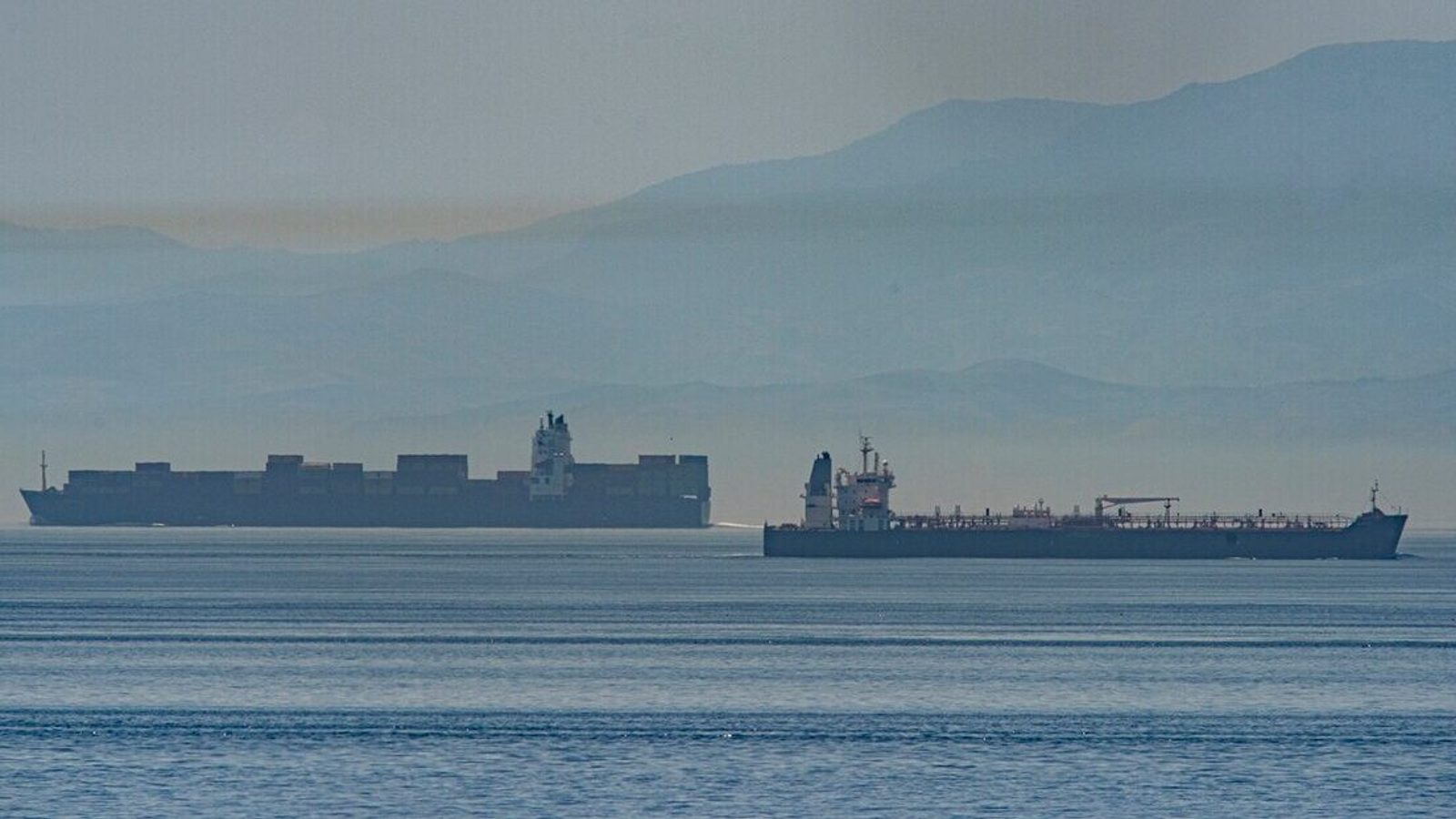
The IEA points to interrupted crude flows from the Middle East as the main driver of the tighter supply outlook. The lack of progress toward resolving the conflict has delayed the return of normal exports from the region, and the consequences are already being felt across global markets.
That tightening has put additional pressure on world oil stocks. According to the agency, global inventories fell by 95 million barrels in August, equal to an average draw of about 3.1 million barrels per day. Since the start of the war, observed global stocks have declined by roughly 507 million barrels, or on average 2.8 million barrels per day.
The IEA also says rising fuel prices are suppressing demand. It now expects global oil demand in 2026 to fall by 2.5 million barrels per day — a decline about 940,000 barrels per day larger than its previous estimate. Nevertheless, the demand drop does not offset the reduction in supply, leaving markets under significant strain. The agency foresees the pace of demand declines easing over the year: from 5.3 million barrels per day in the second quarter, to 3.4 million in the third, and to around 2 million barrels per day in the final quarter.
One of the most acute problems is unfolding in Saudi Arabia: the IEA reports Saudi crude production fell in August to about 6 million barrels per day, the lowest level in more than three decades. Attacks on oil infrastructure and disruptions to transport routes have further limited the volumes that can reach global markets, while problems along key sea lanes complicate deliveries of crude and refined products.
The drawdown in supply and the rapid depletion of inventories are already reflected in prices, with particular strain in diesel and other refined fuels where tight shipments and lower stocks exert extra upward pressure. The agency warns that without progress toward stabilizing the conflict in the Persian Gulf and other disruptions to global energy flows, the risk of further market tightening will remain high. Oil giants earned $93 billion in three months, while the world grapples with wars and record heat.
Photo: EPA