Institute asks ministry to reinstate the term "gender" in high‑school curriculum
The Institute for Gender Studies wants "gender" and related terms defined in the introduction of the new "Health and Health Protection" elective before it is implemented.
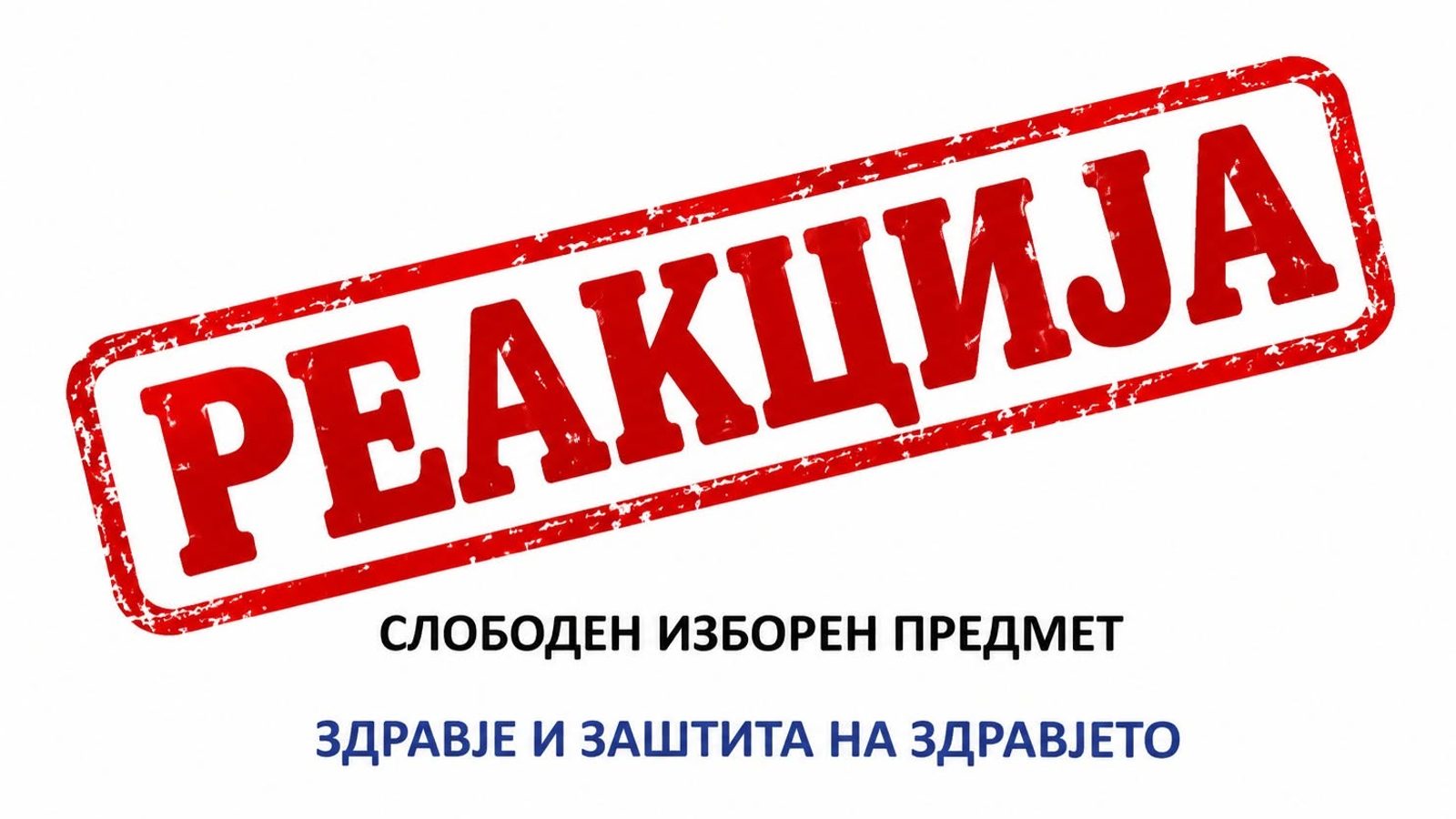
The Institute for Gender Studies at the Faculty of Philosophy, Ss. Cyril and Methodius University in Skopje has asked the Ministry of Education and Science and the Bureau for Development of Education to restore the term "gender" to the high‑school elective now titled "Health and Health Protection." The institute wants the curriculum to explicitly include the terms "gender equality," "gender roles," "gender stereotypes" and "gender‑based violence," and to define them in the programme’s introduction before the new syllabus is applied.
The institute welcomed the inclusion of topics on healthy and safe relationships, reproductive health, consent and sexual violence, but warned that the curriculum currently asks pupils to explain the difference between biological sex and socially prescribed roles while omitting the very word used to explain that distinction in professional literature.
“Removing the term shifts the burden to teachers and pupils”
In its reaction the institute argued that removing the concept is not an adequate response to criticism. It wrote: "A revision that responds to the challenge by deleting the term does not solve the problem, but shifts it onto teachers and pupils, who are left without the language for phenomena the programme still requires them to analyse. The response to the challenge is a clear, precise and age‑appropriate definition of the term within the programme."
The institute also pointed to a mismatch between the curriculum language and terminology used in national law. It noted that the Law on Prevention and Protection from Discrimination lists sex, gender and gender identity as separate protected grounds. It warned that in two topics pupils will learn about partner, family and sexual violence without encountering the term "gender‑based violence," which is used both in domestic legislation and in the Istanbul Convention.
A comparison published on October 31 showed that the new programme preserves the same number of lessons and topics as the withdrawn syllabus for "Comprehensive Sexuality Education," but that the first unit — previously covering gender and gender equality — is now titled simply "Equality." The term "contraception" was dropped and the lesson on pregnancy refers instead to protection against unintended pregnancy.
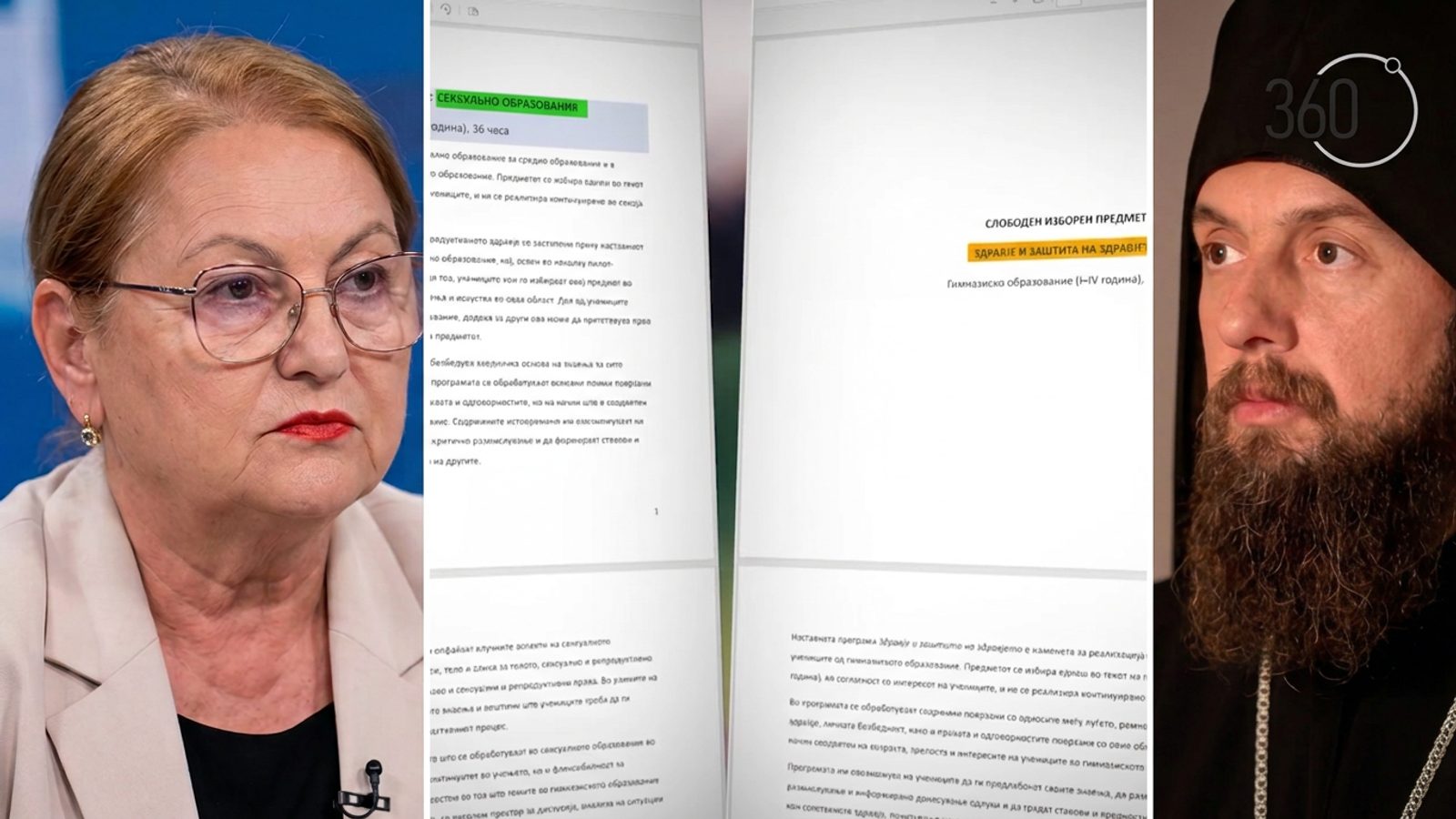
The ministry withdrew the previous programme in early September, days after Bishop Jakov Stobiski published an open letter accusing Minister Vesna Janevska of defending what he called "gender ideology." After the withdrawal, Janevska said she had read the programme and found nothing controversial. The Ministry told reporters that changes were made after considering public and expert feedback, including comments from the Chamber of Psychologists, and denied that the revision was carried out under pressure from religious communities.
The institute has invited the Ministry and the Bureau to open consultations with the academic community. It has offered to help draft definitions and a teacher manual, to participate in teacher training, and to assist in evaluating the subject’s results after the first year of implementation.
Photo: press material from the event