Iran-linked plot and Macedonian arrests; debate over merging intelligence services
Five suspects detained and a sixth wanted as authorities probe an Iran-linked assassination plot in Greece while North Macedonia advances plans to merge its intelligence services.

Authorities say six Macedonian nationals were part of an organized cell tied to an alleged plot to kill a businessman of Israeli origin in Greece and to carry out a terrorist attack there. The Ministry of Interior and the Agency for National Security (ANB) reported that the suspects acted on orders from two Iranian nationals and moved along a route spanning Iran, Dubai, Greece and North Macedonia.
Five of the Macedonian suspects have been arrested, while a sixth is being sought under an international arrest warrant. Security records attached to the case show some members of the group previously served time in a Turkish prison and have past links to high‑level figures in the criminal underworld, including earlier arrests for trafficking several tons of drugs into Greece.
Greek media investigations exposed the identity of the intended target and traced how long the operation had been prepared; reporting named a businessman described as having Israeli origins, with connections to the Israeli government and collaborations with Greek authorities on security systems. Israeli intelligence (Mossad) publicly blamed Iranian services for ordering the plot; Tehran has denied any involvement.
Intelligence reform and questions about coordination
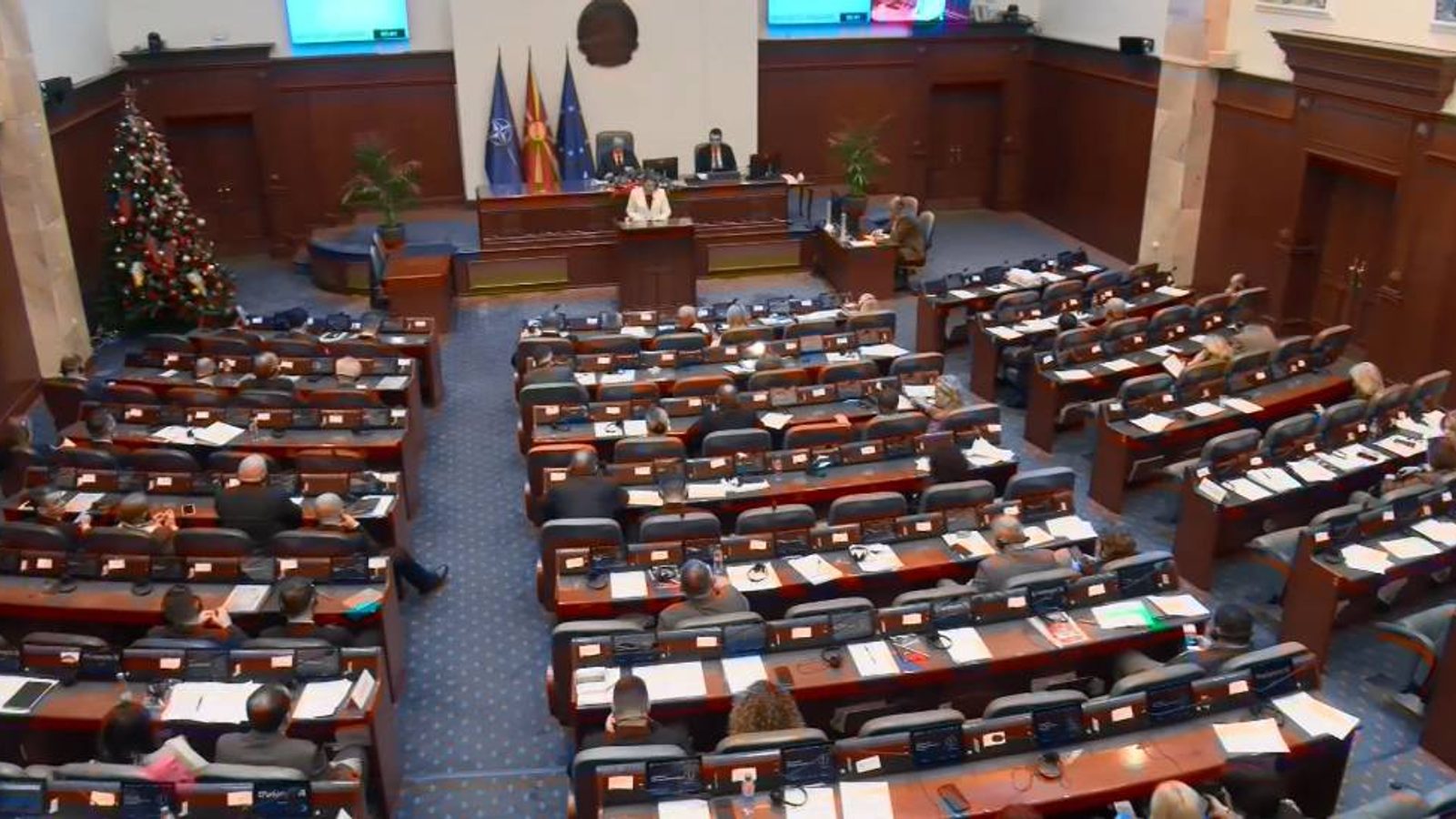
The case landed amid a parallel push inside Skopje to merge the country's two secret services into a single agency. The government presents the move as part of a broader reform package, and officials say the process will be followed by long public debate. Policymakers have expressed a wish to use the Croatian model — a single civilian service subject to permanent, expert oversight — but admit oversight structures like that do not yet exist domestically.
Observers and security veterans point to a worrying gap in day‑to‑day coordination: for two and a half years there has been no Council for Coordination made up of the state leadership and the intelligence community’s top officials. The draft law to abolish the coordination mechanism is currently in its second reading in Parliament, and opposition MPs have introduced amendments to the bill.
The broadcast episode of the program KOD, prepared by editor Snezana Lupevska Sozen and journalist Miomir Serafinovic, was shown on TV Telma on 22.11.2026.
Photo: press material from the event