Austrian chancellor's comment on childcare sparks political uproar
A remark during a Salzburg event reopened debate about unpaid childcare, prompting apologies, party reactions and plans for a protest in front of the chancellery.
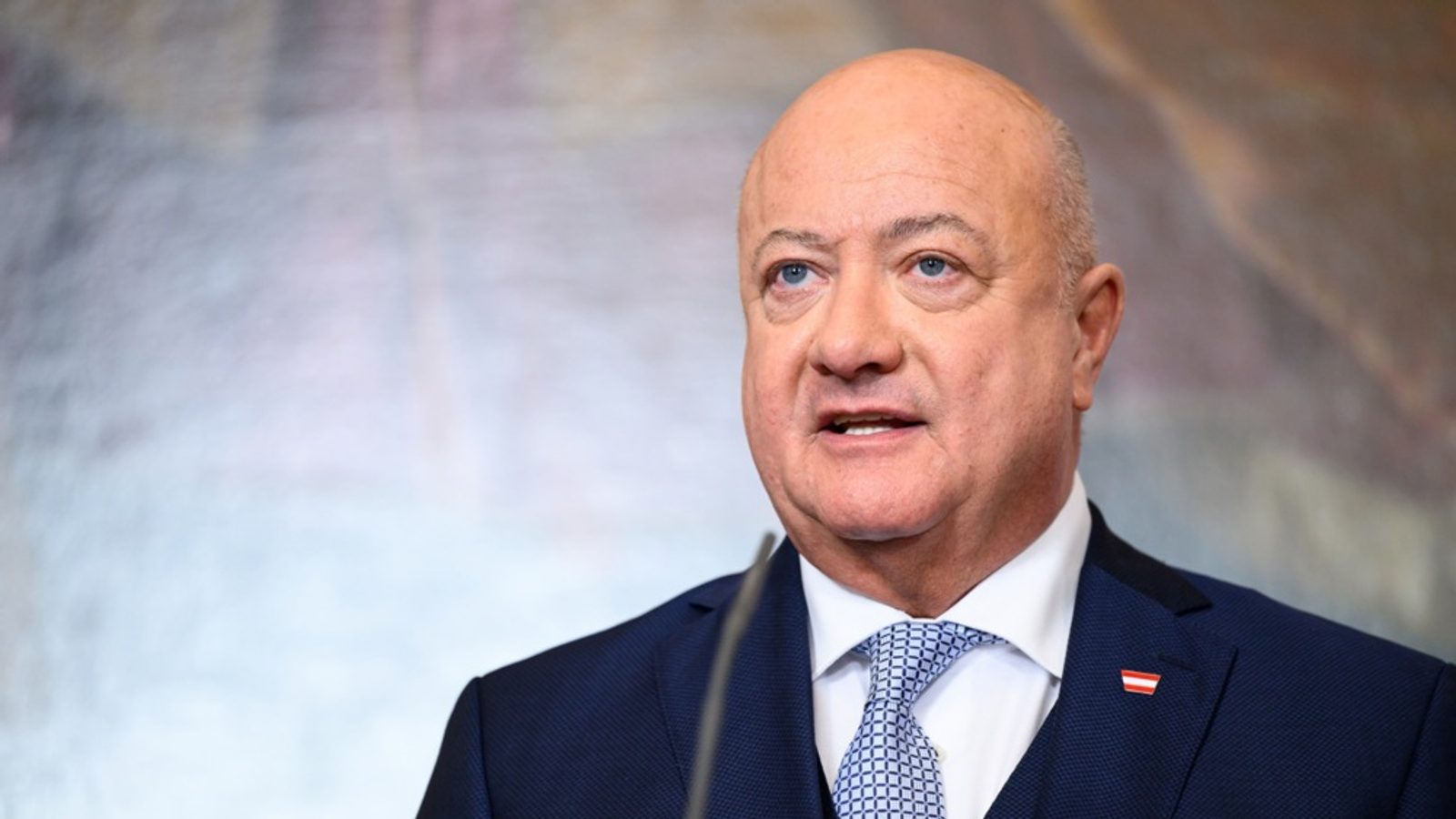
Comments by Austrian Chancellor Kristijan Shtoker that caring for children “is not unpaid work” sparked a political storm and renewed public debate over the value of domestic childcare.
The remark was made during a question-and-answer session on Shtoker’s summer tour in Salzburg, where he was asked about balancing professional and family life. The reaction was swift: opponents said the comment downplayed the unpaid labour that in many households falls disproportionately on women.
Apology and attempts at clarification
Shtoker later issued a written apology in which he acknowledged that caring for children is work and stressed that women—who still perform most child-rearing in many families—do “enormous and important work.” In a follow-up video message he explained that his point was to say family life cannot be treated like a workplace one leaves at knock-off time, and that parenting’s value “cannot be measured only by money.”
Despite the apology, criticism persisted from across the political spectrum. The Freedom Party (FPÖ) accused Shtoker and the People’s Party (ÖVP) of adopting a hostile attitude toward women and children, while some ÖVP politicians tried to shift focus from the original wording to the chancellor’s intent.
Pressure grew beyond party politics. Green leader Leonore Gewessler published a video conversation with the woman who asked the question in Salzburg and said she was struck by how strongly the issue resonated; the activist umbrella group “Women Strike” called a demonstration for Monday afternoon in front of the Federal Chancellery to highlight the economic and social value of unpaid domestic work.
Johannes Kopf, chair of the board at the Austrian Public Employment Service (AMS), weighed in on social media saying he understood what Shtoker meant about love being central to raising children, but criticised the chancellor’s phrasing. Kopf warned the debate has concrete implications for social security: recognising childcare as work affects pension entitlements, divorce protections and old-age poverty risks that disproportionately hit women, and he urged the state to better measure and value that work in the social protection system.
Photo: EPA-EFE/MAX SLOVENCIK