Amendments to Environment Law trigger clash over 'hot ecological spots'
Amendments that entered parliament on 9 October 2026 face criticism from NGOs and opposition over deletion of rules for 'hot ecological spots' and industrial reconstruction.
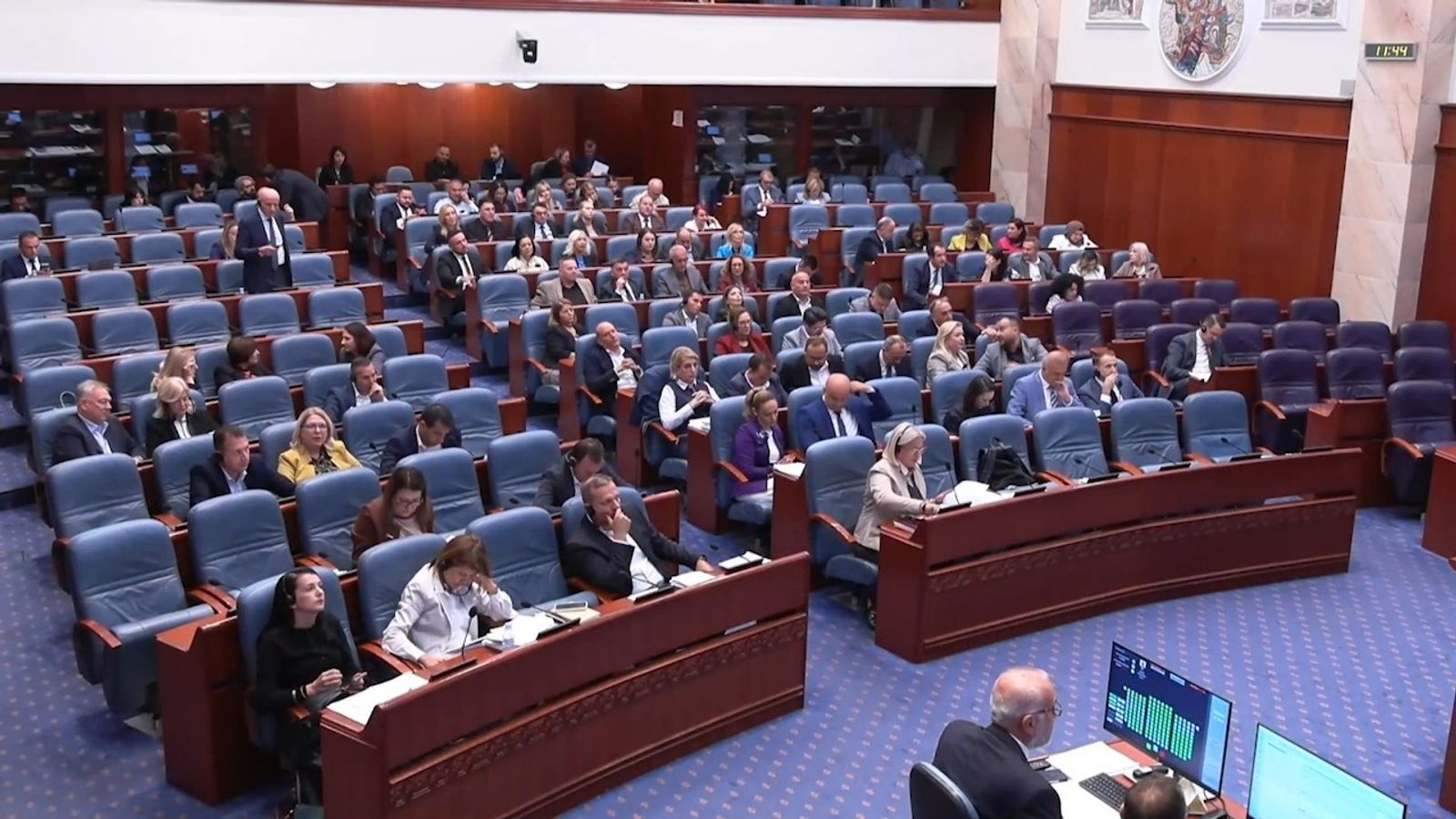
Amendments to the Law on Environment that entered parliamentary procedure on 9 October 2026 have sparked a public confrontation between the authorities and environmental groups over protection of contaminated sites and rules for industrial facilities.
The Ministry of Environment presents the changes as a step toward aligning national law with EU requirements and simplifying environmental impact assessment procedures. Critics — led by civic organisations such as Eko-svest and Zelen Human Grad and by opposition MPs — warn the draft could weaken safeguards for people and nature.
Disputed deletions and the fate of contaminated locations
Environmental groups point to several contested clauses in the draft. They say the amendments remove mechanisms related to contaminated areas, ease conditions for reconstruction of heavy-industry facilities, reduce transparency in public consultations and substitute some compulsory institutional opinions with simplified procedures.
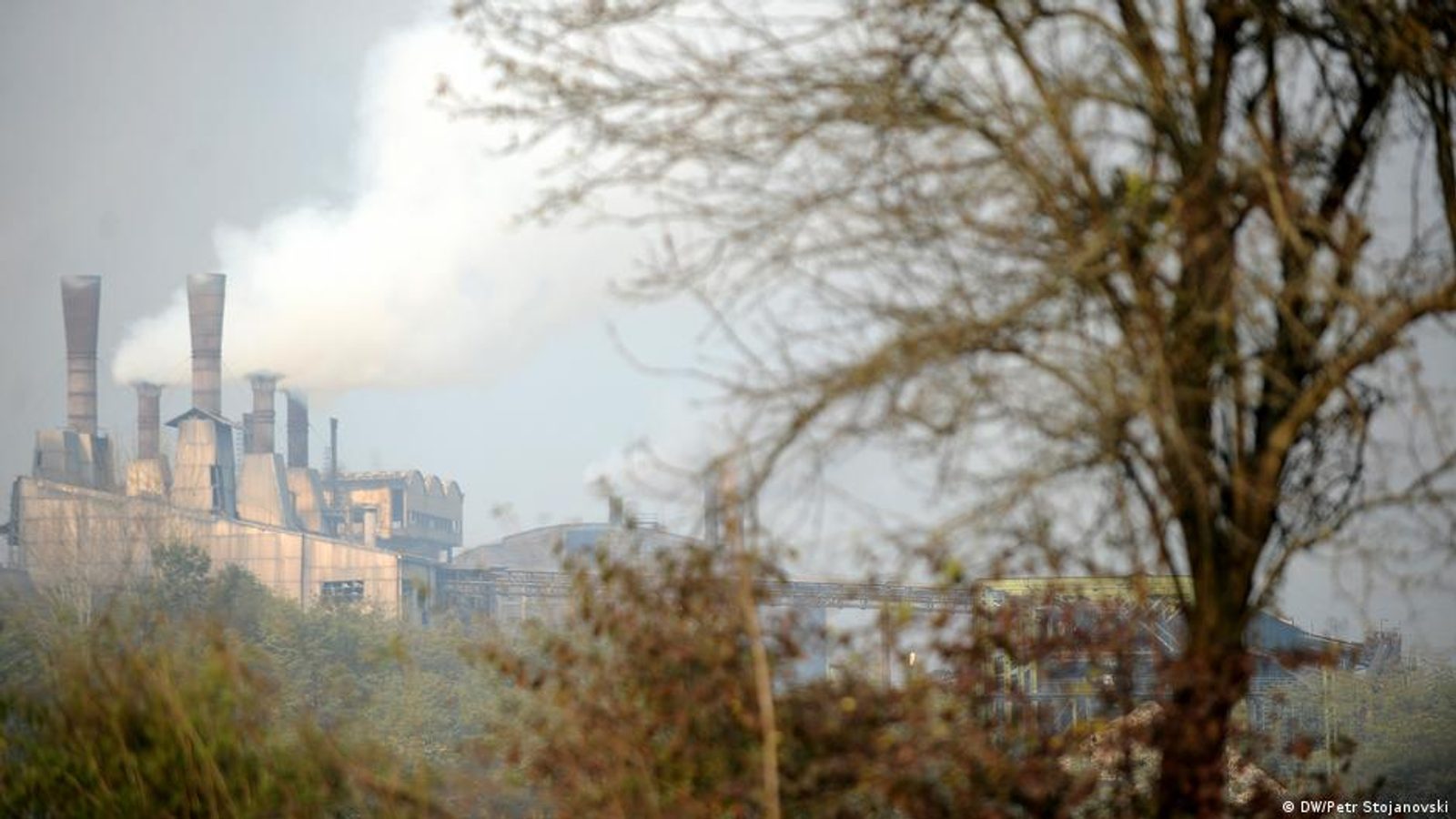
As an example, activists often mention Jugohrom, where pollution remains a risk for soil and water and may affect the Rasche spring. Campaigners argue that provisions on so-called "hot ecological spots" are essential to set clear remediation rules and accountability under the polluter-pays principle.
Deputy Minister of Environment Ane Lashkovska defended the package in Parliament, saying: "Opening new factories and installations with A-integrated permit will remain to be at a distance greater than five kilometers from a settlement, the word 'reconstruction' we are removing". Lashkovska added that existing capacities have an obligation to modernise production toward better environmental protection.
The Macedonian Association of Young Lawyers (MZMP) notes that the Waste Management Plan for 2021–2031 lists seven contaminated locations — OHIS, Lojane, Jugohrom, Makstil, REK Bitola, MHK Zletovo (fertilisers) and REK Oslomej — and warns the draft removes the legal framework for remediation.
"The proposed amendments to the Law on Environment provide for the deletion of the legal framework for remediation of contaminated areas. This creates a legal vacuum, without clearly established institutional obligations to address pollution that endangers the environment and human health," the MZMP said, and called on MPs to schedule a public hearing before the second reading in the parliamentary committee, set for 13 October.
Eko-svest also warned the changes do not ensure full alignment with European legislation and may create legal gaps and ambiguities in implementation, noting a potential mismatch with a concurrently initiated new Law on Nature. Opponents say the country needs a comprehensive new law that implements EU standards without opening opportunities for abuse rather than partial fixes.
Photo: press material from the event