Middle East crude exports rise to 12.8 million barrels per day
Exports reached the highest level since the start of the war between the United States and Israel against Iran, driven by flows through the Strait of Hormuz.
Crude oil exports from Middle Eastern producers climbed to 12.8 million barrels per day, the highest level since the outbreak of the war between the United States and Israel against Iran, according to Kpler data.
Recovery driven by Strait of Hormuz flows
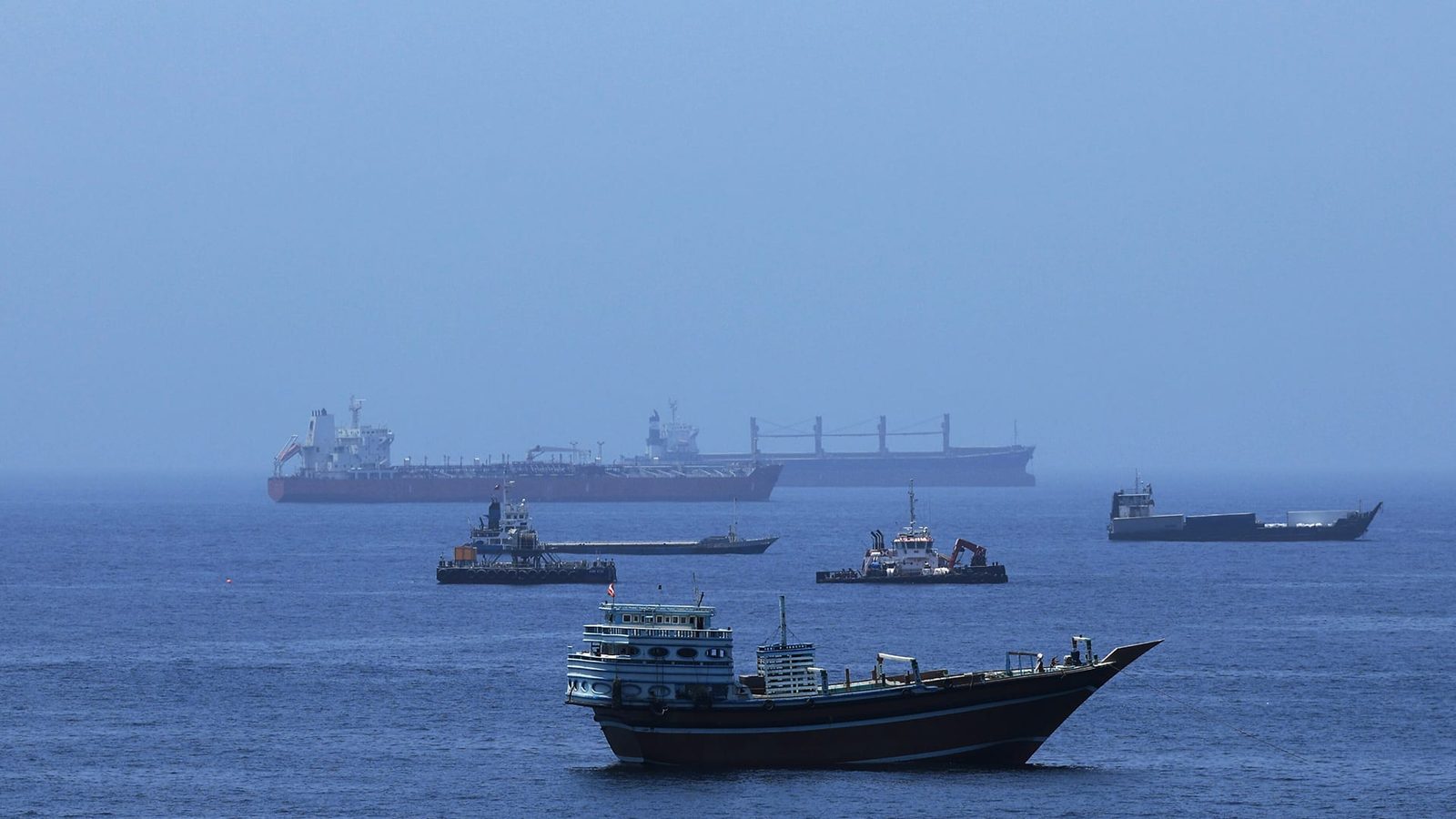
The rebound followed an increase in shipments through the Strait of Hormuz, which this month were estimated to reach about 7.4 million barrels per day after Saudi Arabia rerouted exports from the Red Sea port of Yanbu. Riyadh shifted flows after attacks damaged its East–West pipeline.
Although exports from the group of producers — Saudi Arabia, the United Arab Emirates, Iraq, Oman, Qatar, Kuwait and Iran — rose, the total remains roughly 6 million barrels per day below the 18.8 million barrels per day recorded in February, Kpler's figures show.
Kpler data indicate that Saudi Arabia, the region's largest exporter, was expected to deliver roughly 5.4 million barrels per day this month, compared with just 2.446 million barrels per day in August.
September shipments from the Gulf terminal Ras Tanura increased to about 3.6 million barrels per day from August's 929,000 barrels, but remain below the 6.411 million barrels per day shipped in February.
The data also show that 19 supertankers, each carrying 2 million barrels of Saudi crude, transited the Strait of Hormuz last week. Kpler noted these figures exclude vessels that may have passed with their Automatic Identification System transponders switched off to avoid detection.
Before the start of the war on February 28, roughly 125 large commercial vessels typically passed through the strait daily — tankers, gas carriers, bulkers and container ships — accounting for about 20% of the world's daily crude oil and liquefied natural gas supply.
Photo: press material from the event