How to prevent and treat blisters caused by sandals
How to treat a blister from sandals and stop them coming back — practical tips for prevention and care.
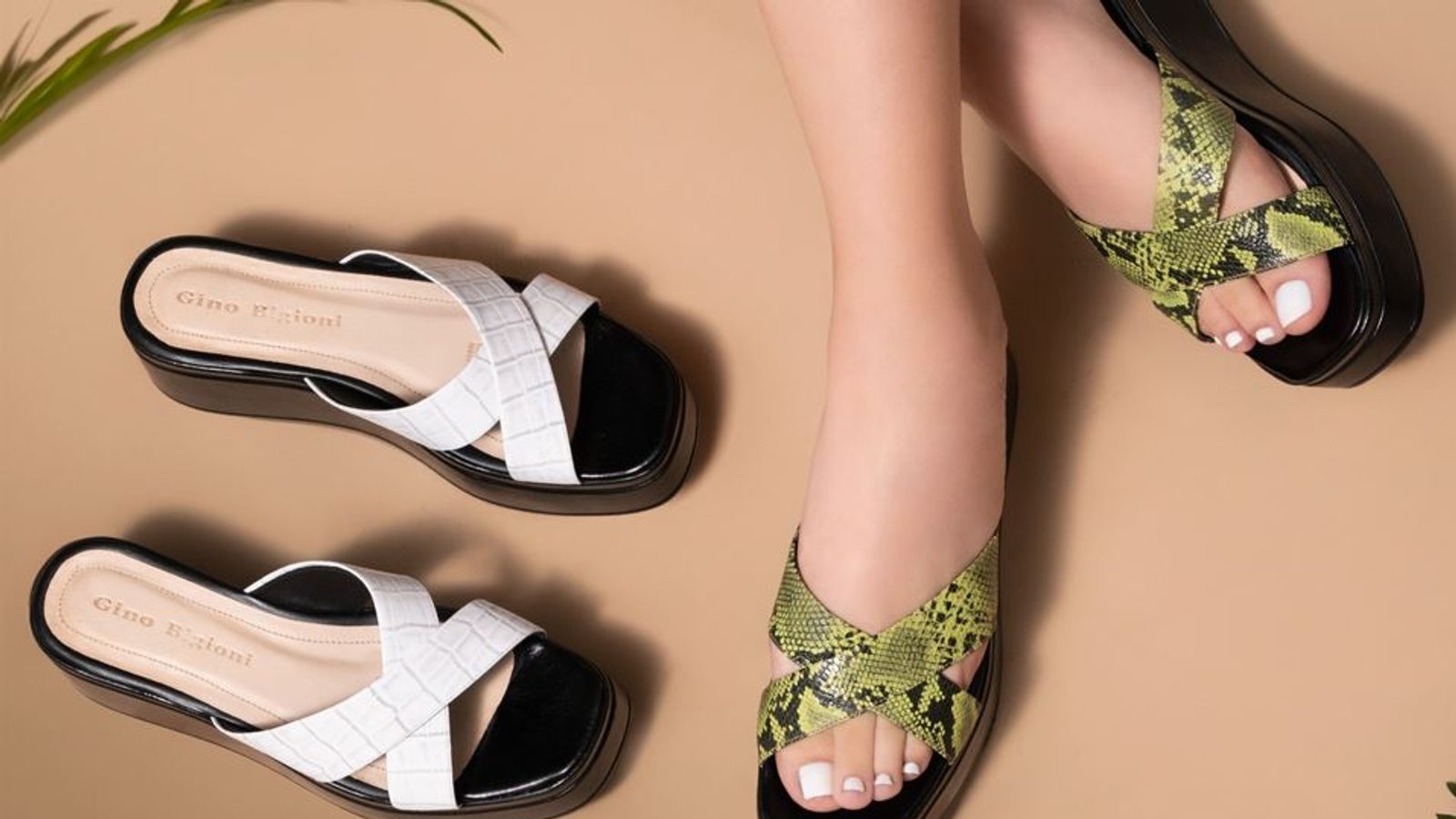
Few things spoil a summer walk faster than a painful blister caused by a new or favourite pair of sandals. The problem usually starts as irritation where the shoe rubs against bare skin and can develop into redness, soreness and eventually a fluid-filled blister.
Immediate care: when and how to treat an existing blister
If a blister has already formed, avoid puncturing it unless the pain is intolerable. In that extreme case, use a sterile needle and clean the area with an antiseptic before draining. Otherwise leave the blister intact—the skin covering it helps prevent infection.
Protect the area with a sterile dressing or adhesive plaster to stop further rubbing. Special hydrocolloid blister patches, available in almost every pharmacy, create a moist healing environment and can speed recovery. Soothing lotions or gels containing aloe vera, chamomile or panthenol reduce inflammation and support skin repair, and regular moisturizing keeps the feet softer and less prone to damage.
To prevent repeats, choose sandals made from breathable natural materials such as leather or canvas, and avoid shoes with rough seams or metal decorations where they contact the skin. When you buy new sandals, break them in gradually—wear them at home for up to one hour at a time so the material and your feet adapt.
Maintain good foot hygiene: wash and thoroughly dry your feet, and gently remove excessive hardened skin with a foot file, since smoother skin is less likely to blister. Consider protective products—sticks, powders or masks—for hotspots (heels, sides of the foot, toes), and soft silicone pads for heels and soles to reduce pressure and slipping, especially when wearing heels.
With simple prevention and prompt care, sandals need not mean blisters all summer—small adjustments to footwear and routine can keep your feet comfortable.
Photo: press material from the event