How to bake a high, soft slavska pogacha: tested tips
Practical, temperature-focused baking rules — from double-sifting and the "scalded dough" trick to oven 170–180°C and not opening the door.
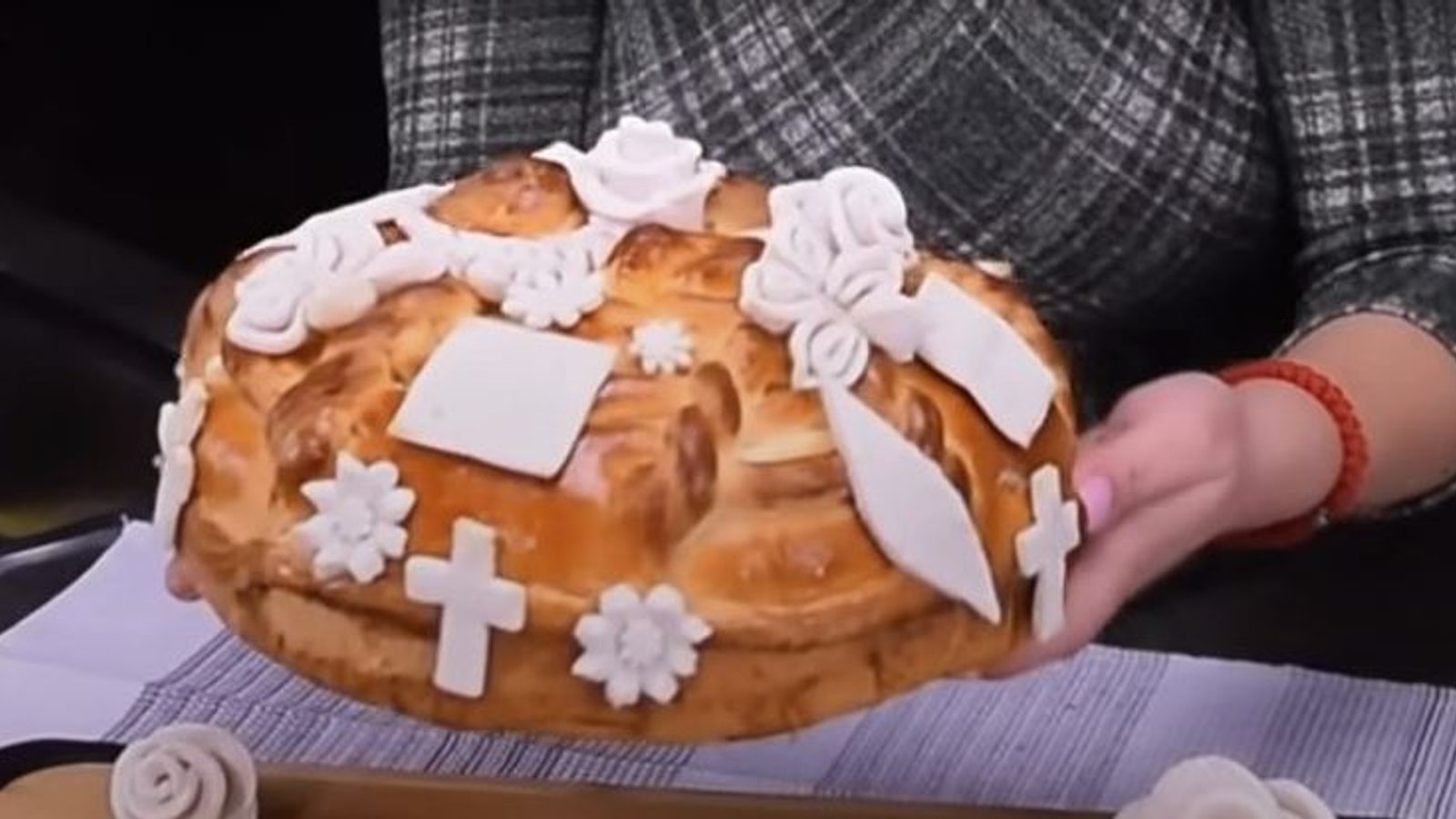
Preparing the slavska pogacha is for many home bakers one of the most important rituals before the holiday. Beyond symbolism, everyone wants a loaf that rises high, develops an even golden crust and stays soft and airy inside for days.
Failures — sudden collapse, a split top or a heavy, underbaked center — rarely come from the recipe itself. More often they are caused by neglecting a few physical and thermal rules during mixing, proofing and baking.
Simple, proven pre-bake steps
- Double-sift the flour. Sifting twice does more than remove lumps: it aerates the flour, which helps the yeast work more evenly and makes the dough lighter.
- The "scalded dough" trick. Reserve one tablespoon of the total flour, pour a little boiling milk or water over it and whisk to a smooth paste. When that paste cools to lukewarm, add it to the main dough — it keeps the starch moist and helps the pogacha remain soft the next day.
- All ingredients at room temperature. Eggs, butter and milk must not be used straight from the fridge. Cold ingredients slow the yeast; overheated ones kill it. The ideal temperature of liquids to activate the yeast is about 36–38 degrees Celsius (pleasantly lukewarm to the touch).
- Add the fat at the end. Fold in softened butter gradually only after the dough has begun to form and pull away from the bowl walls, so the gluten network is already developed and the dough divides into clean layers.
- Double proofing for maximum volume. Let the dough rise twice: first in the bowl until it doubles, and a second time after shaping and placing in the pan — at least 30 to 40 minutes before baking.
Oven rules that make or break the loaf
The most common baking mistake is using too high a temperature to brown the loaf faster. The ideal oven range for slavska pogacha is 170–180 degrees Celsius in a preheated oven. If the heat is too high, the exterior will bake and darken quickly while the interior remains underdone; once exposed to room temperature, that underbaked center collapses under its own weight.
Do not open the oven door during the first 25 to 30 minutes — even a single peek lets cold air rush in, causing a thermal shock that makes the gases in the dough contract and the pogacha irrevocably fall. For a glossy, even color without burnt spots, brush the surface with egg yolk beaten with one tablespoon of milk (not a whole egg; egg white burns faster). If the top browns while the center is still raw, tent the loaf loosely with aluminum foil and continue baking.
Cooking time depends on pan size and dough thickness, so don’t rely solely on the clock. When the pogacha has an even golden-brown color, test the thickest part with a long wooden skewer: if it comes out completely dry, the loaf is done. For large festive pogachas professionals check the internal temperature with a kitchen thermometer — the center should read between 93 and 96 degrees Celsius.
Remove the pogacha from the pan immediately after baking and place it on a wire rack to cool evenly from all sides; do not leave it in the pan or put it on a flat plate where steam will condense under the bottom. That immediate transfer preserves a crisp crust and a center that remains as soft as a cloud.
Photo: press material from the event