What kinds of data centres does Germany actually need?
Germany’s 2030 targets call for doubling data‑centre capacity and quadrupling AI/HPC power, but experts say energy, networks and location planning will decide what gets built.
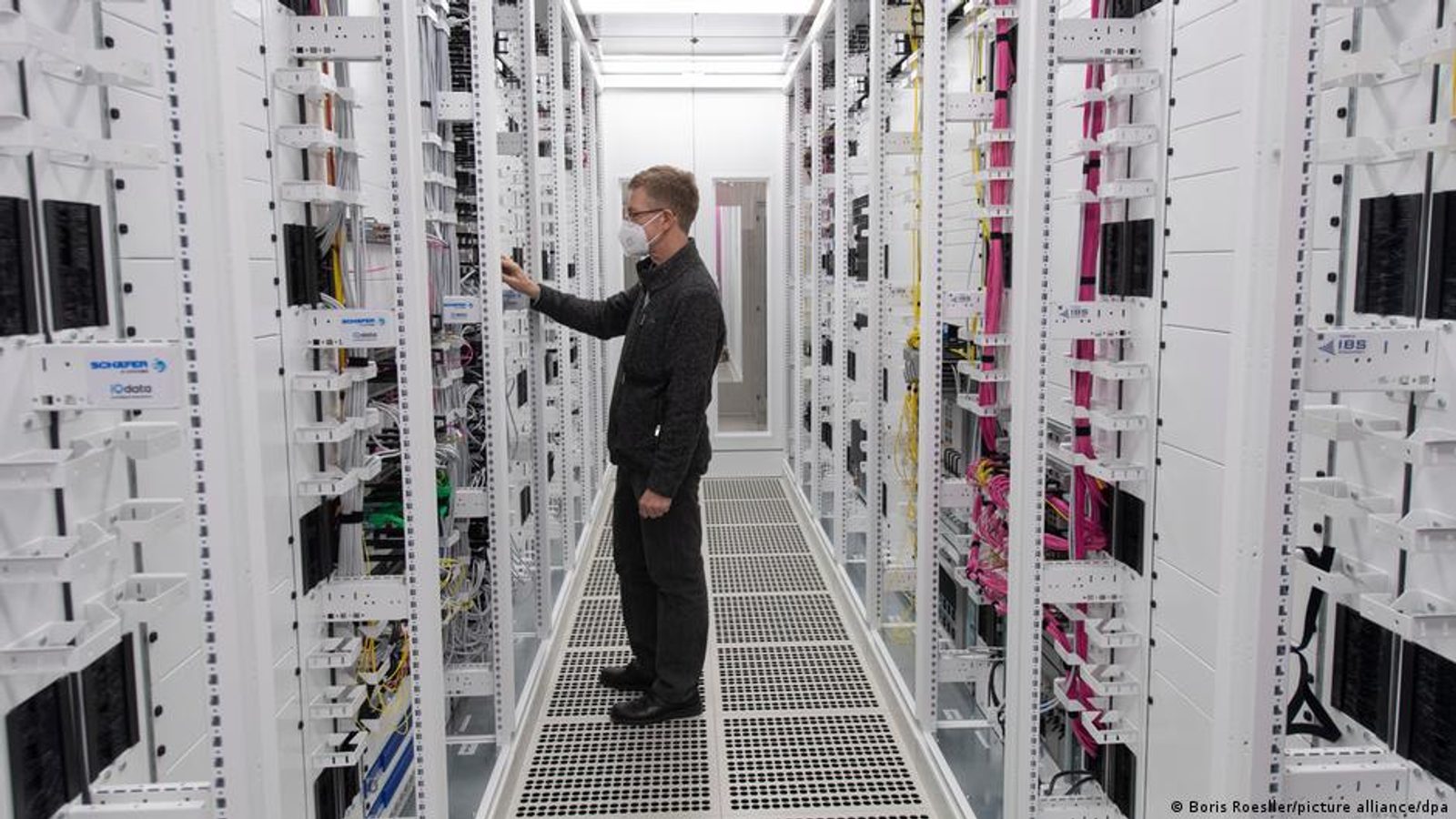
Germany has launched a national push to expand data centre capacity as artificial intelligence drives global demand for computing power, but experts warn that electricity, network links and physical space are becoming limiting factors.
The federal government adopted its first national data-centre strategy in 2026, setting numerical targets: by 2030 overall data-centre capacity should be at least twice today’s level, while capacity for AI and high-performance computing (HPC) should grow fourfold. The plan lists 28 measures intended to speed up permitting, open new sites and secure competitive power prices.
Scale is only one piece of the puzzle
Analysts note a large gap between Germany and the world’s leading markets. A study by the digital association Bitkom estimates German data-centre capacity at roughly 3 gigawatts; by comparison the United States has about 48 gigawatts — roughly sixteen times more. The ten largest U.S. data centres together have approximately the same capacity as all German facilities combined.
Energy is the critical constraint. "A data centre is a huge hall full of computers," says Jens Greger of the Öko‑Institut. Modern AI workloads and model training consume vast amounts of electricity and require substantial cooling; in some cases data centres draw as much power as a small town. That creates pressure for higher-capacity grid connections, industrial land and — depending on cooling technology — water.
Greger also highlights potential upsides if expansion is planned intelligently: data centres can run on renewables, use batteries to smooth demand and export waste heat to district heating networks. If sited where clean electricity is abundant, they could help balance and even accelerate the energy transition.
Not every new AI data centre needs to be a mega‑park. "For German conditions this is the first coherent framework for artificial intelligence we have ever had - with concrete figures, reliable targets and measures," says Denis Kenji-Kipker, an IT expert. Both he and Greger argue that specialised, smaller centres tailored to industrial, research or public-sector needs — using models tuned to specific tasks — will often be more practical than following the U.S. model of very large generative-AI facilities.
Because single countries face limits in competing at global scale, experts stress stronger European coordination: pooled investments and shared infrastructure might be the best route for Europe to develop its own digital backbone rather than remain dependent on providers from outside the continent.
Photo: press material from the event