Carnations and other flowers to avoid when going to a slava
Traditional beliefs link certain blooms and even-numbered bouquets with mourning — what to bring instead.
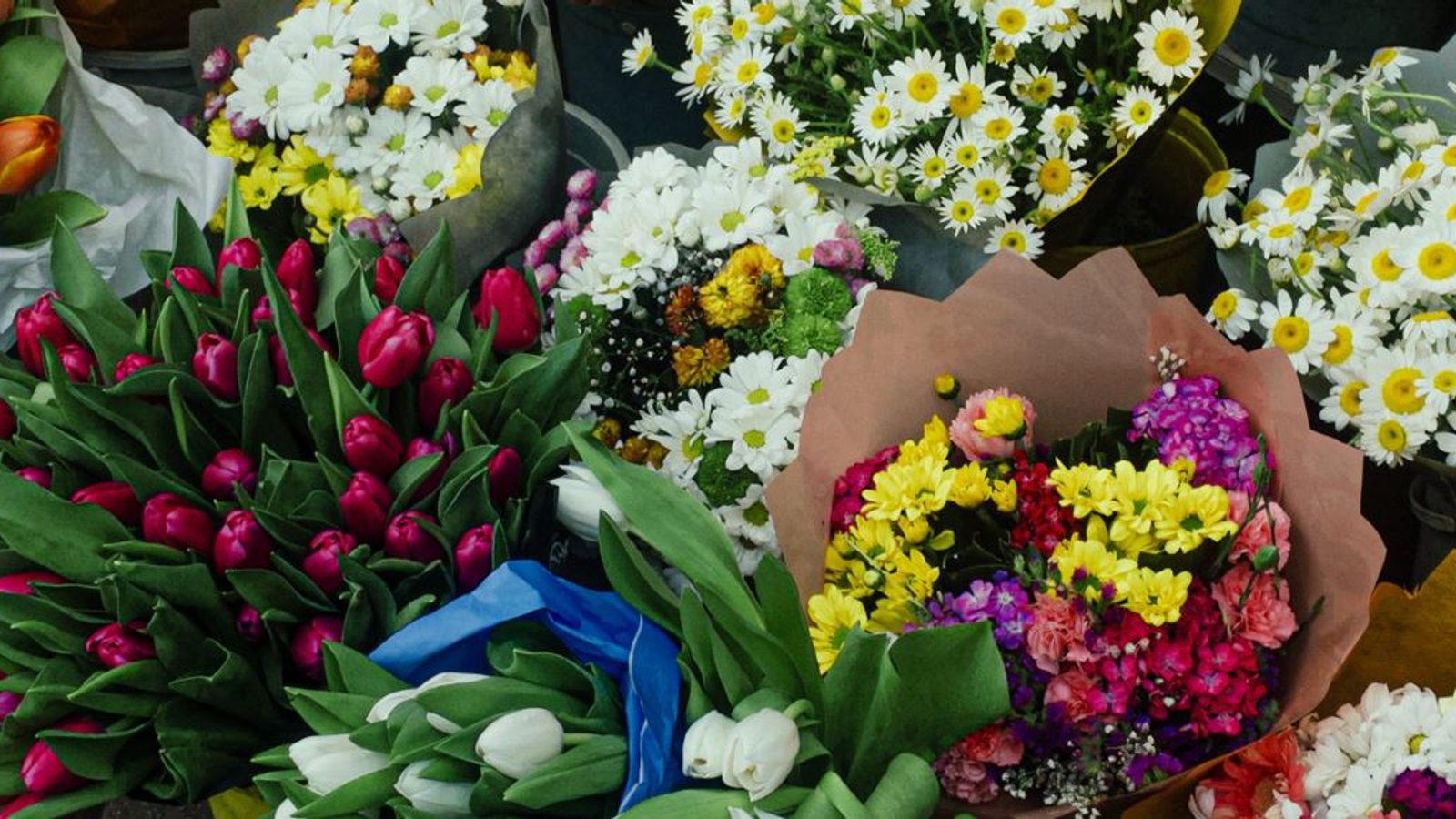
When visiting a household for a slava, the choice of flowers can matter more than many guests realise. Traditional beliefs in the region attach sorrowful symbolism to certain species and to even-numbered bouquets, so what looks like a generous gift may be read differently by an older hostess.
Carnations have long been regarded locally as flowers of mourning. Red carnations in particular were often placed with wreaths at monuments, and cut carnations are notable for their durability: a cut carnation can remain fresh for up to two weeks and resists wilting in sun or frost. Because of that longevity, older generations remembered them mainly from cemeteries rather than from celebrations. The same applies to chrysanthemums, which few people bring as a guest.
Slava is understood as a day for health, progress and celebrating life. If a visitor arrives with carnations, an older hostess may interpret that as a symbol of sorrow even when no such intention exists. Traditional belief holds that such flowers bring grief into the home and are said to invite illness or losses during the year — a stigma that, folk tradition warns, applies to the giver as well as the household.
Besides the type of flower, the number matters: an even number of stems is traditionally reserved for graves, while living people receive an odd number — three, five or seven sprigs. A bouquet of ten roses, however lavish it may look, is often read by older hosts in the same way as carnations.
What to bring instead
If you are unsure about your hosts' preferences, choose something unlikely to cause offence: an odd number of roses, gerberas or tulips is usually safe. Potted plants such as orchids or cyclamens, which also bloom in the autumn season, are good options when a lasting gift is appropriate. Practical alternatives for the slava table include a bottle of good wine or a box of chocolates.
Younger guests who are not bound by these customs often mix carnations into colourful bouquets without concern, and many mothers still happily accept carnations, especially red or white, when given in an odd number on 8 March — a practice that was common throughout the former Yugoslavia.
Photo: press material from the event