Klekovski expects hospital projects in Tetovo, Shtip and Kichevo to begin by year‑end
Minister says the Government expects to sign a €195 million arrangement with the World Bank and EIB before year‑end; ministry also reviews breast‑screening programmes.
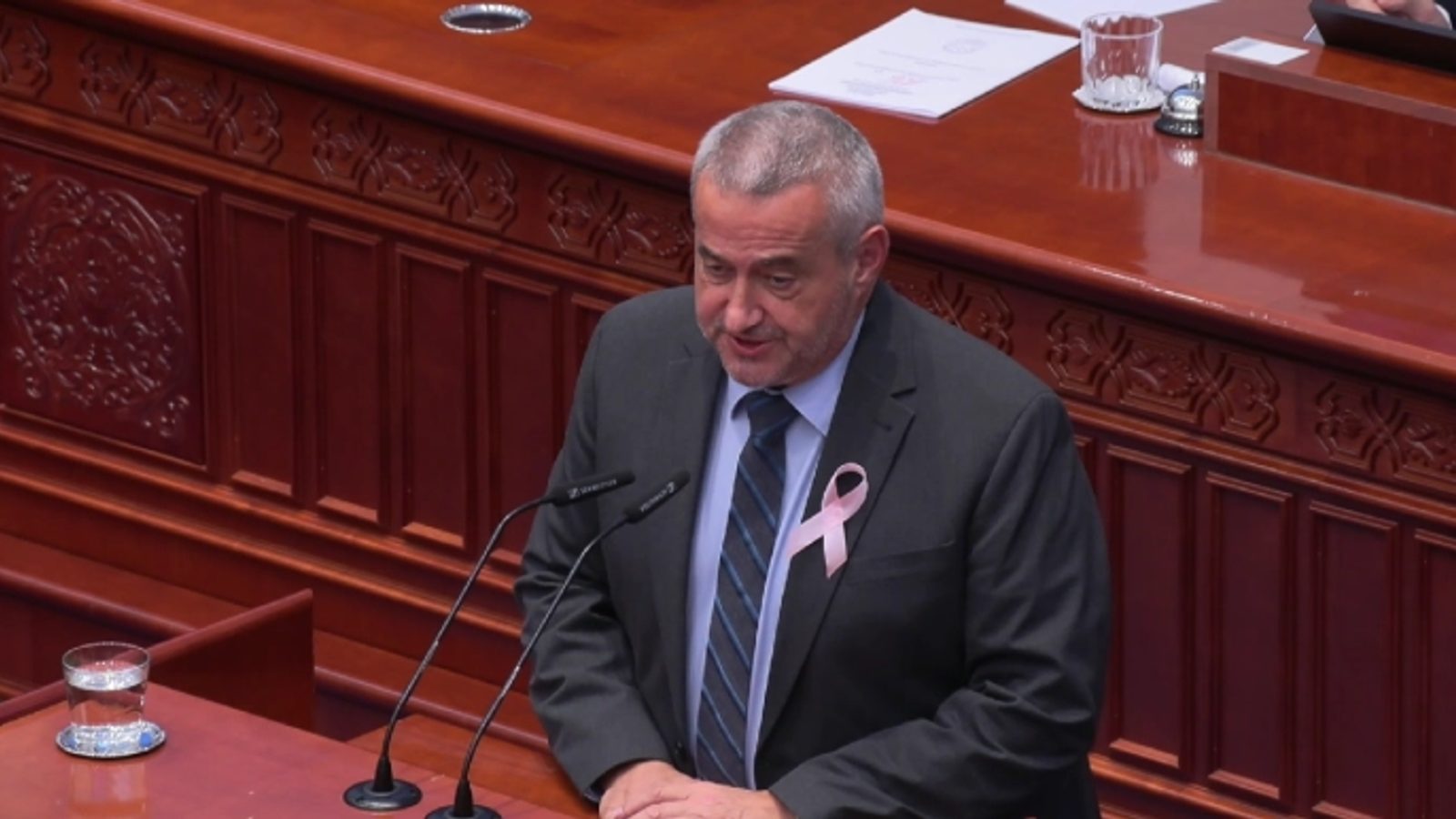
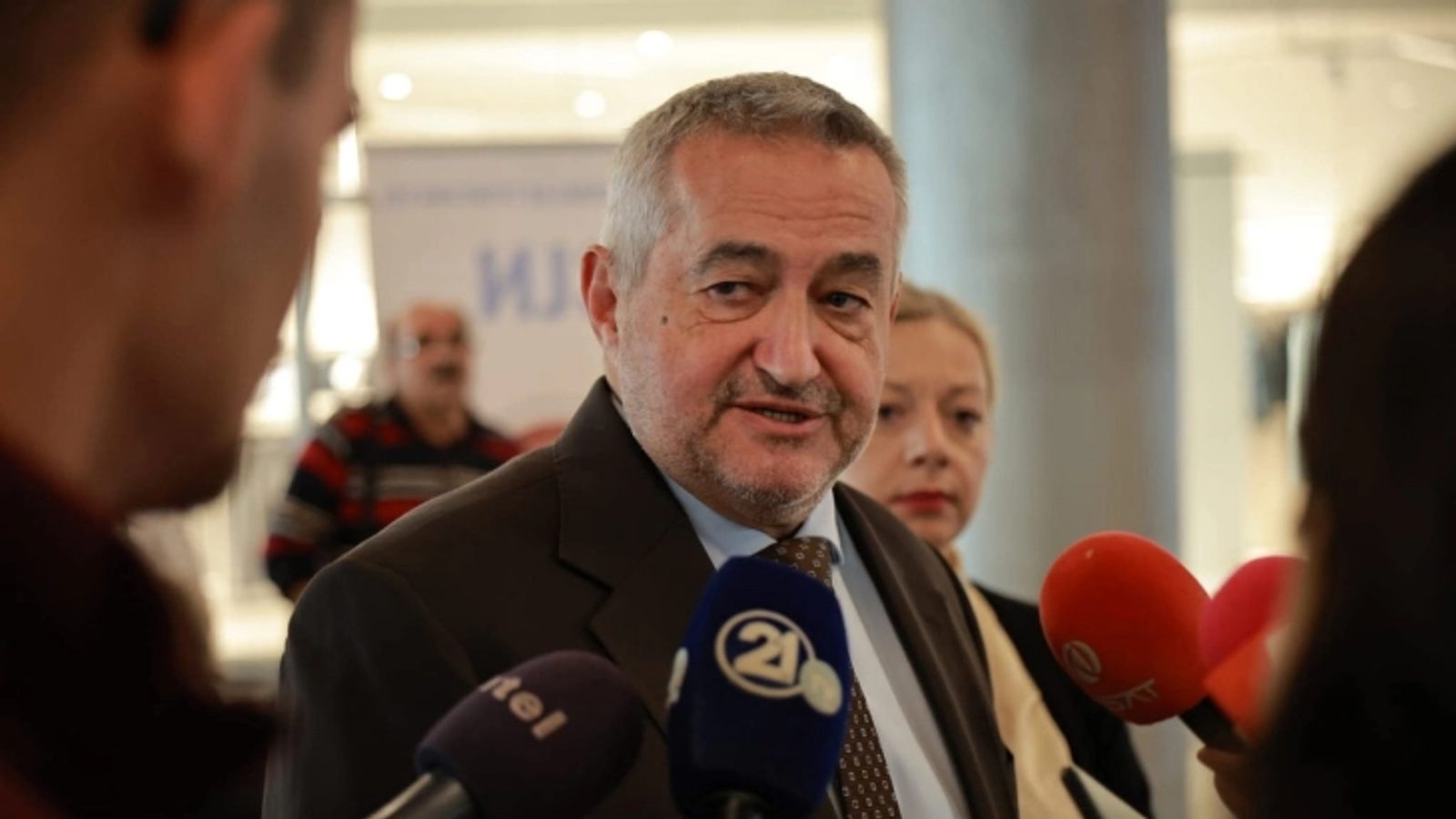
Health Minister Sasho Klekovski said the Ministry of Health, together with the World Bank and the European Investment Bank, is working to secure a €195 million loan that would complete the long-planned investments at Clinical Hospital Tetovo, Clinical Hospital Shtip and the General Hospital Kichevo. He told MPs he expects the Government to sign the financing arrangement before the end of the year, which would allow the three projects to move into implementation.
The statement was made during a parliamentary question-and-answer session, in response to MP Rina Ajdari of the European Front who raised concerns about alleged delays in investments at the Tetovo hospital. Klekovski also said recent steps have resolved a long-standing issue at the Tetovo institution involving contracts-for-work and their conversion into regular employment.
On the ground and on schedule
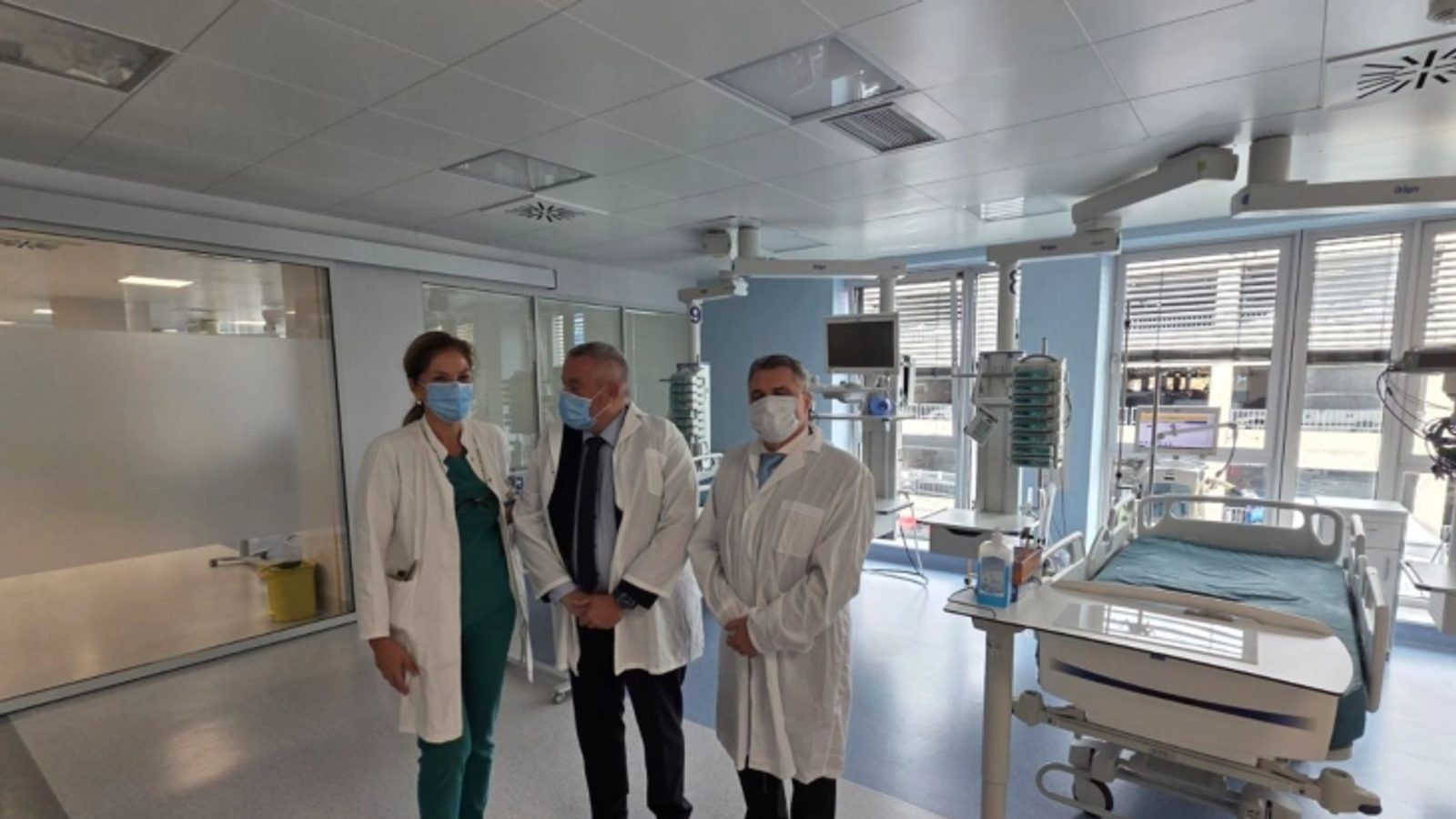
“I personally, together with the mission of the World Bank and the European Investment Bank, was at the Clinical Hospital - Tetovo at the end of July this year. Ten days ago we had the second mission and I hope that by the end of the year the Government will have signed the arrangement with the World Bank and the European Investment Bank, which should allow the implementation of these three long-awaited projects from our side to begin. In that we cooperate with the management of the Clinical Hospital - Tetovo and with the leadership of the Municipality of Tetovo,” Klekovski said.
Klekovski also addressed questions about the breast cancer screening programme in the Polog region, citing findings from the State Audit Office review of screening programmes for the 2021–2024 period. He pointed to a marked increase in the number of mammographies recorded in 2024 compared with 2021 — 17,000 mammographies in 2024 versus 651 in 2021 — but noted the review found national screening coverage remains low.
“The report, which is an excellent report of the State Audit Office, states that we essentially do not have screening programmes, that with coverage of 5 to 15 percent we are far from European standards of 70 percent coverage, and from this year it should be 80 percent. What the Ministry of Health is doing is first to resolve the infrastructure necessary for mammographs. So our first step was to provide equipment for digital mammographs in all major centres,” Klekovski said.
He said the ministry is re-evaluating the screening programmes and will hold a workshop tomorrow with representatives of the patient association Hema-Onko and foreign experts, including the director for national screening programmes from Slovenia, to discuss how to improve effectiveness.
On prevention activities, Klekovski said he attended a promotion event at Clinical Hospital Shtip where a multidisciplinary team of radiologists, oncologists and surgeons was introduced to shorten patients' route to treatment. “Today I come from an event for promotion of prevention and early detection of breast cancer, at the Clinical Hospital - Shtip. We promoted a multidisciplinary team made up of radiologists, oncologists and surgeons, whose task will be to shorten the path of potentially ill patients to treatment. Also, 180 extraordinary mammographies will be made on weekends to compensate for the waiting list,” Klekovski added. He also announced he will provide a written reply about the state of mammography services at Clinical Hospital Tetovo.
Photo: press material from the event