Kosovo Serbs must travel to central Serbia to vote in Serbia's parliamentary election
Voters registered in Kosovo will be redirected to polling stations in central Serbia, facing long trips and border queues.
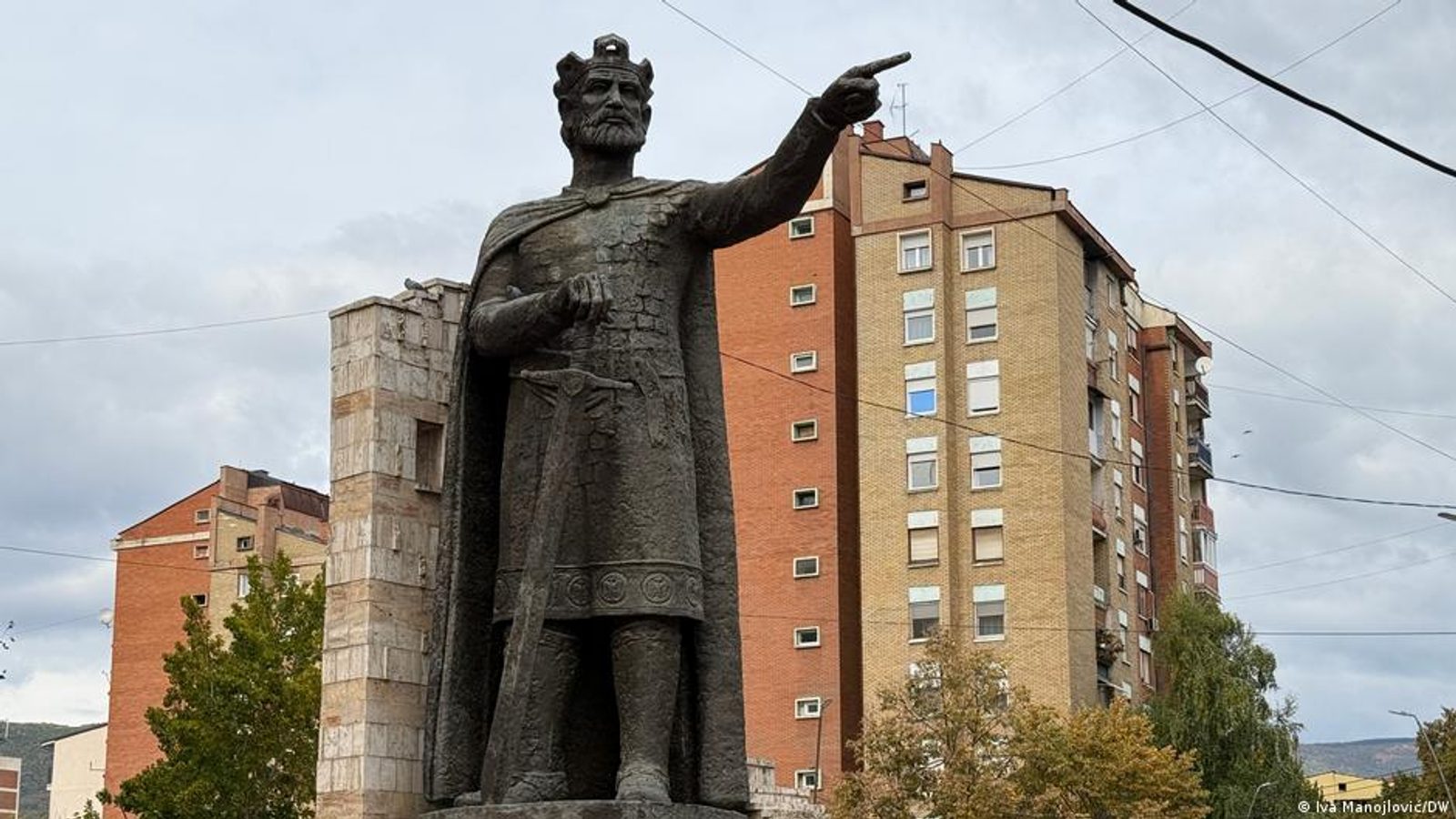
Thousands of Kosovo Serbs who want to vote in Serbia's parliamentary election on October 25 will have to travel to polling stations inside central Serbia, facing long journeys and border queues rather than casting ballots on Kosovan territory.
Logistics and politics collide
Belgrade decided not to organize voting on Kosovo soil, so voters registered as living in Kosovo will be redirected to towns such as Raška, Kuršumlija, Vranje or Ribaric depending on their place of residence. For some, the trip will be onerous: Milos Mrkic, 28, originally from North Mitrovica, says he will need to travel almost 300 kilometres to vote.
The move comes amid what analysts call Serbia's most uncertain election in a decade, with the ruling Serbian Progressive Party (SNS) facing an unexpectedly strong challenge from the Student List. Political scientist Ognen Gogic says that for SNS "every vote is important," which helps explain Belgrade's decision to hold voting away from Kosovo so it can "fully control" the process rather than leave organization to international bodies such as the OSCE.
Gogic warns that Kosovo Serbs have long been treated by Belgrade as a political tool: "The authorities in Belgrade view Serbs in Kosovo as an instrument, and an instrument of their policy and an instrument for maintaining their own power. They deal with them only insofar as it contributes to preserving the order in Belgrade." He points to examples such as the organized transport of Kosovo Serbs to SNS rallies and their presence at the camp in front of the Presidential Building known as Ćačilend.
Authorities in Pristina banned campaigning for the Serbian election on Kosovo territory and Kosovo police interrupted a rally of the Serbian List, the local branch aligned with SNS. Campaign material was removed from several locations, and reports say hotline-style pressure on public-sector employees continued in this cycle.
Electoral rolls show a sharp increase in the number of registered voters from Kosovo: 115,856 are listed now, compared with 94,161 before the 2023 elections. Election commission and civil-society representatives say part of the rise is explained by changes in how residence is recorded, but critics warn the fluctuation creates room for potential abuse and public uncertainty about who exactly is on the lists.
Local journalist Andrija Lazarevic says many Kosovo Serbs do not expect immediate improvements even if new political actors win: "Behind closed doors, large deals were made that changed the way of life and the history of Serbs in Kosovo. Therefore, to start with, let there be more honesty." Meanwhile, voters like Mrkic urge their fellow citizens to weigh recent years carefully before deciding how to cast their ballots.
Photo: kosovski Srbi glasaat vo Vranje vo 2023 godina)