Kozatske: brief ceasefire allowed aid and evacuations
A brief lull on 27 October enabled aid and the evacuation of dozens from Kozatske despite continuing drone, mine and artillery danger.
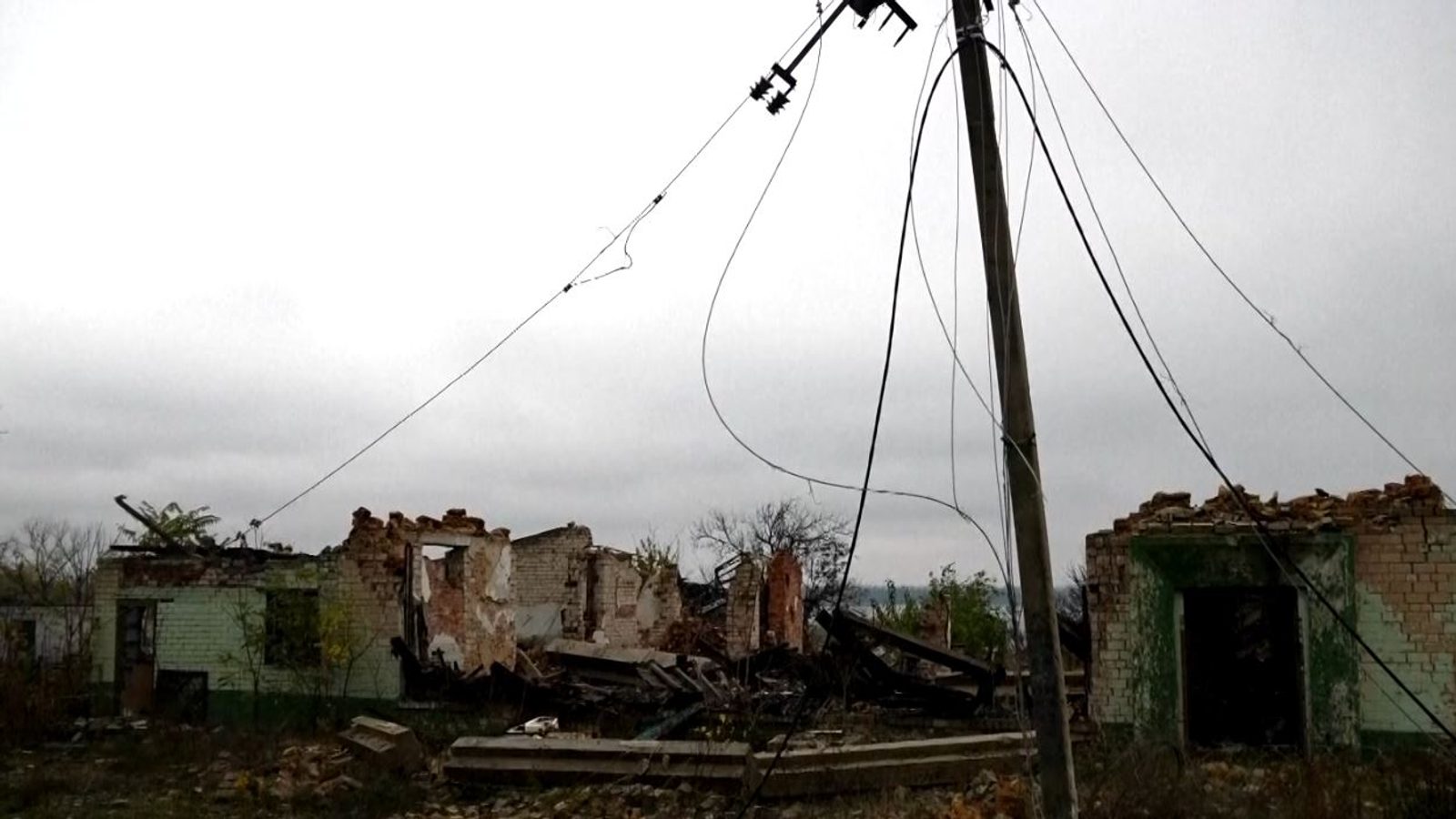
A brief ceasefire on 27 October allowed aid workers to reach people trapped in Kozatske, a village on the Dnipro riverbank inside the so‑called “zone of death” in Kherson region — less than 2 kilometres from territory held by Russian forces.
Surviving beneath drones and scattered mines
For 53‑year‑old Nataliya Djadjuk life has narrowed to basic survival: collecting rainwater for drinking, scrounging firewood from around the settlement to heat her stove, listening to a small radio for news, and relying on occasional leftover humanitarian parcels — help that had not reached her for almost two years until the ceasefire.
“They dropped mines everywhere (with the help of drones), so you can’t go anywhere. I gather firewood, bring it near the yard and cut it to have for the stove. I don’t hide. If a drone lingers too long over me, I go out and hold a white piece of cloth. I also have a sign that says ‘civilian’ — I hold it up high. There is no other way,” said Nataliya Djadjuk, a resident of Kozatske.
Residents described filtering rainwater by cloth, adding chlorine and boiling it after receiving water‑purification tablets and filters distributed at the local school. “The water here is, more or less, okay,” she said, adding that the many dead left around houses make the idea of “good water” relative.
Many of the settlements along the river remain cut off on both sides of the frontline while Oleshky, now under Russian occupation, has drawn international attention. During the temporary lull, regional officials, police, the Ukrainian Red Cross Society and volunteers — supported by specialists in civil‑military cooperation — used the window to reach residents on the Ukrainian side of the river who had been isolated for almost two years.
“On 30 October we carried out an evacuation in Kozatske and brought out six people. And today, together with you, we evacuated two more people. In other words, without that period of calm we simply would not have been able to get people out. We would not have been able to drive in this area at all,” said Oleh Tarabakh, head of the city military administration in Nova Kakhovka.
The operation removed a total of 180 people from riverside settlements and Kherson city — including 23 children — according to officials. Organisers said every route and stage of the mission had to be planned with the constant threat of drones, artillery, precision guided aerial bombs and air‑dropped mines in mind. Once the ceasefire ended, civilians again faced the same technological and explosive hazards, yet many refuse to leave, fearful they would have nothing to return to.
Photo: press material from the event