Kozloduy can operate three more weeks if Danube keeps falling
Plant officials say Kozloduy can keep operating at full capacity for about three weeks if the Danube’s drop continues; experts point to deep intakes and conservative design.
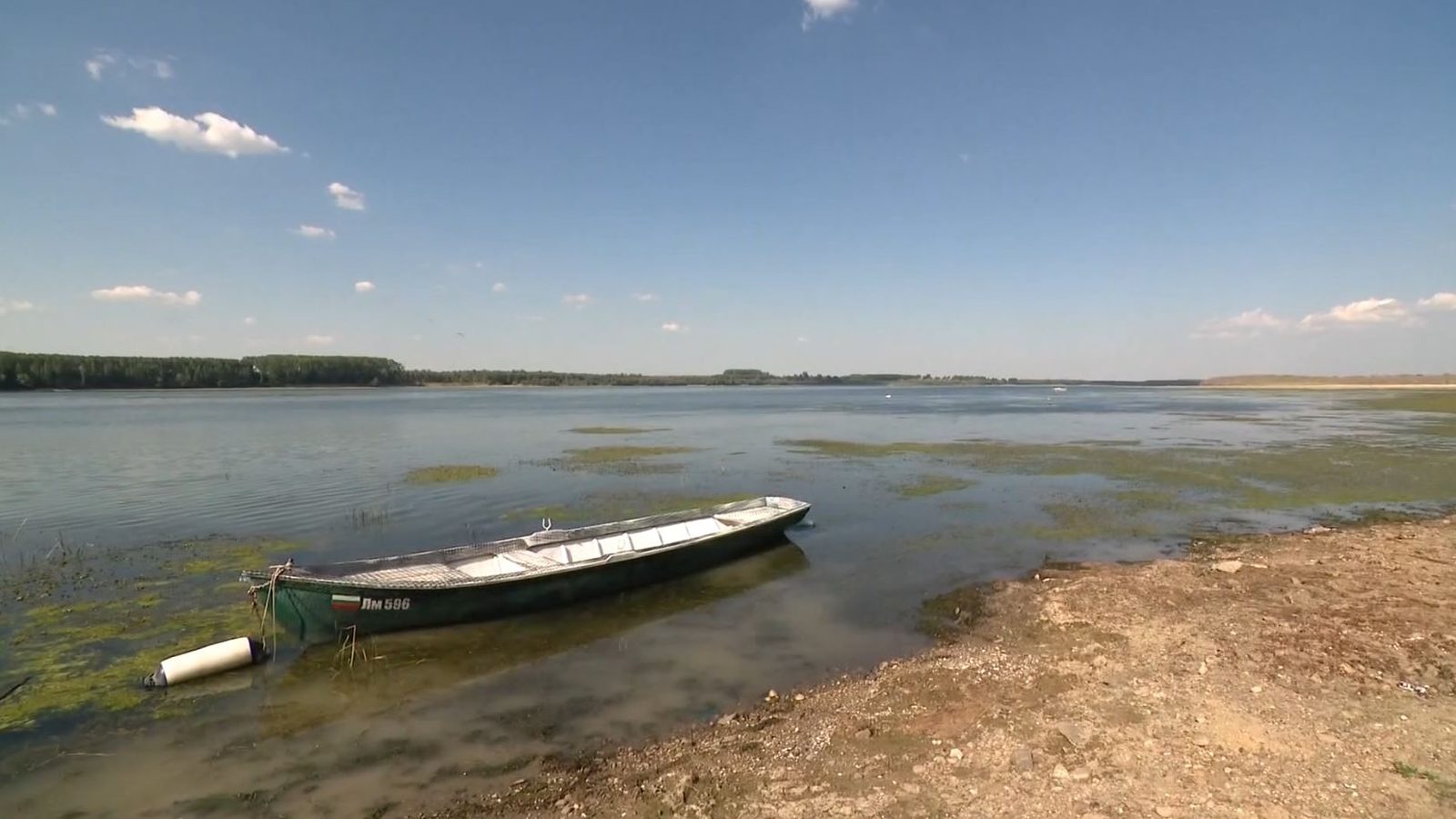
Low Danube levels have raised concerns across Europe, but attention in Bulgaria has focused on the Kozloduy nuclear power plant, which draws cooling water from the river.
Bulgarian authorities say the plant remains fully operational and do not expect reduced output in the coming weeks, while energy specialists point out that the facility’s deeper water intakes provide extra buffer capacity.
Visible drops, but no immediate threat
On site observers noted that the water in one of the discharge channels — where cooled water returns to the Danube — has fallen by around 20 to 30 centimetres. Officials stress that current operations do not place the reactors at direct risk because the river water is used to cool the steam systems that drive electricity production, not the reactor cores themselves.
“The plant is still operating. It is designed so there is always enough water. I heard the Hungarians have already shut theirs down. If the plant stops, there will be no electricity and that's it… we will have to use candles,” said Bogdan Inkov.
Dr. Ivan Hinovski, an energy expert, explained that the plant’s intake design was deliberately conservative. “The most conservative option was chosen — with the largest channel capacity and the deepest possible intake shafts,” he said. He added that if the Danube continues falling at the present rate, Kozloduy could maintain full capacity for another three weeks.
“If the current absolute level, the depth of the Danube, is 80 centimetres, it would have to fall by another 40 centimetres to reach that critical minimum,” Hinovski said. The Ministry of Energy maintains there is no indication the plant will be forced to shut down, and access to the plant and its surrounding area remains restricted as part of national security measures.
Photo: press material from the event