Kumanovo region records lowest honey yield in 20 years, beekeepers blame climate
Average production fell from 10–15 kg per hive to about 1 kg, and beekeepers say frost and summer drought destroyed forage.
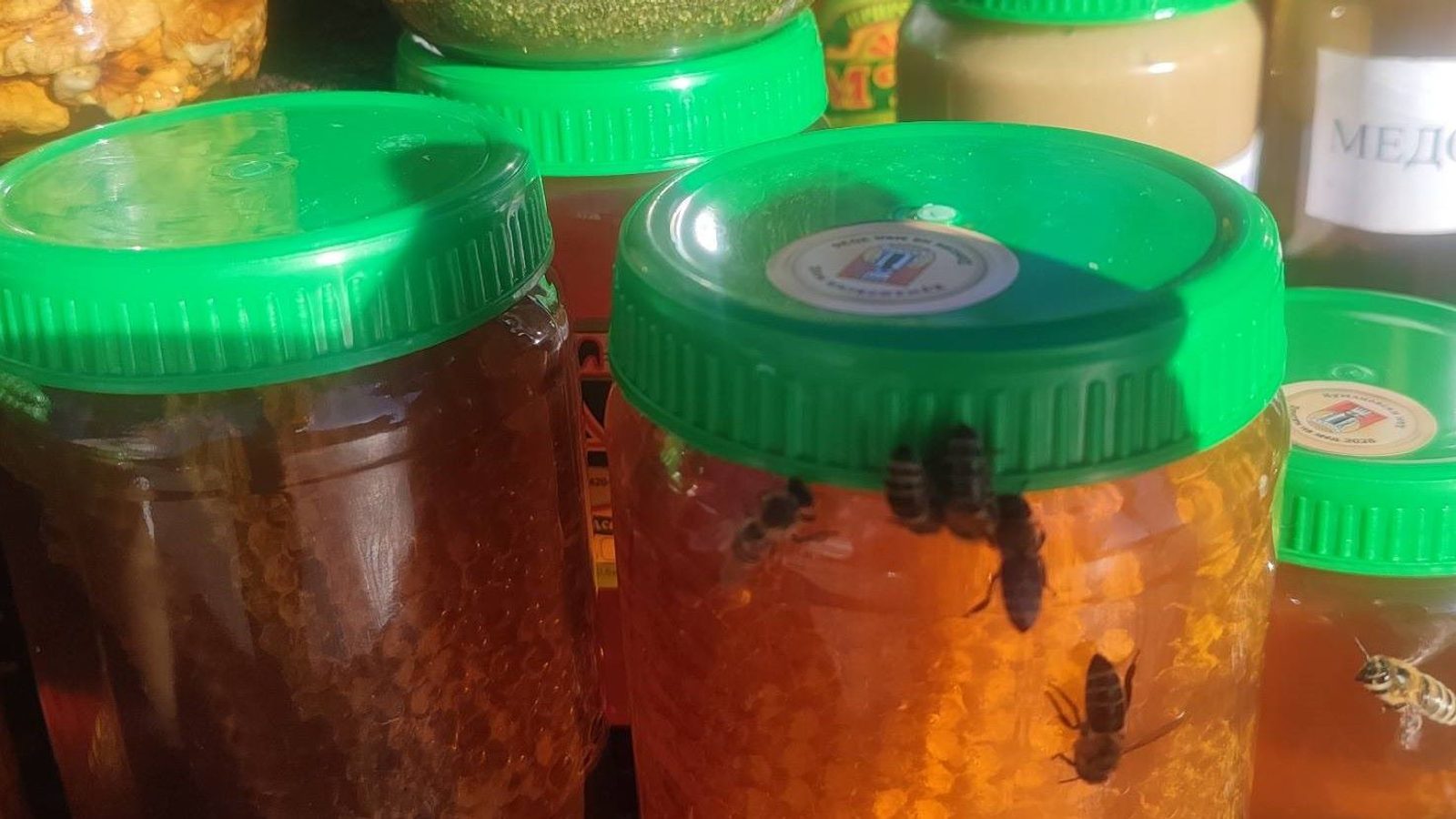
Beekeepers in the Kumanovo region say this year's honey harvest is the lowest in at least two decades, and they blame changing weather patterns for both the sharp drop in yields and a deterioration in the health of bee colonies.
Where hives typically produced 10–15 kilograms of honey each in past seasons, the average this year has fallen to around one kilogram — effectively a single jar — and some beekeepers recorded no harvest at all.
“Climate change has done its work, it is exacting a toll on beekeeping. In May we had low temperatures and the blossoms were frosted, then high temperatures without rain followed. The drought reduced vegetation and there was no forage for the bees all summer. Because of the small quantities, this year we will cover them with last year's honey stocks,” said Boban Stoshevski, president of the Beekeepers Association "Pchela" in Kumanovo.
Weather extremes and lack of pasture
Beekeepers describe a sequence of damaging conditions: a late spring with frost that destroyed flowers, followed by unusually hot, dry spells with little or no rain. The combination left limited nectar and pollen sources during the crucial foraging months.
Producers say the decline is not only a matter of smaller harvests this season but also a threat to colony quality, since poor forage and stress can weaken bees' long-term vitality. Many will rely on reserves carried over from last year to meet household and sales needs.
Photo: SDK.MK)