Nativity of the Theotokos (Mala Bogorodica) on Sept 21: why households avoid taking anything from the home
September 21 is the Nativity of the Theotokos — this year it falls on Monday, so families may keep a festive, non-fasting table.
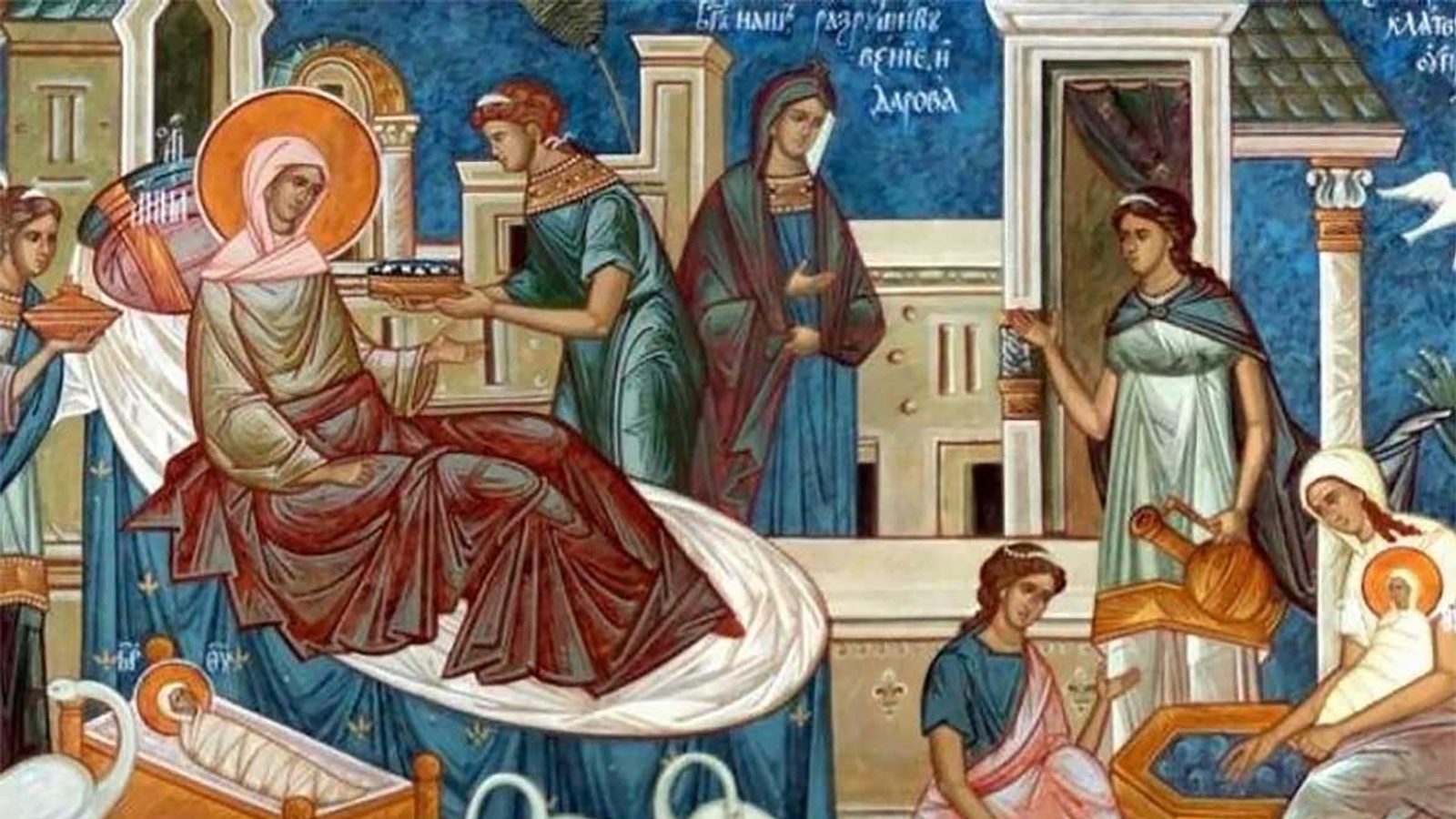
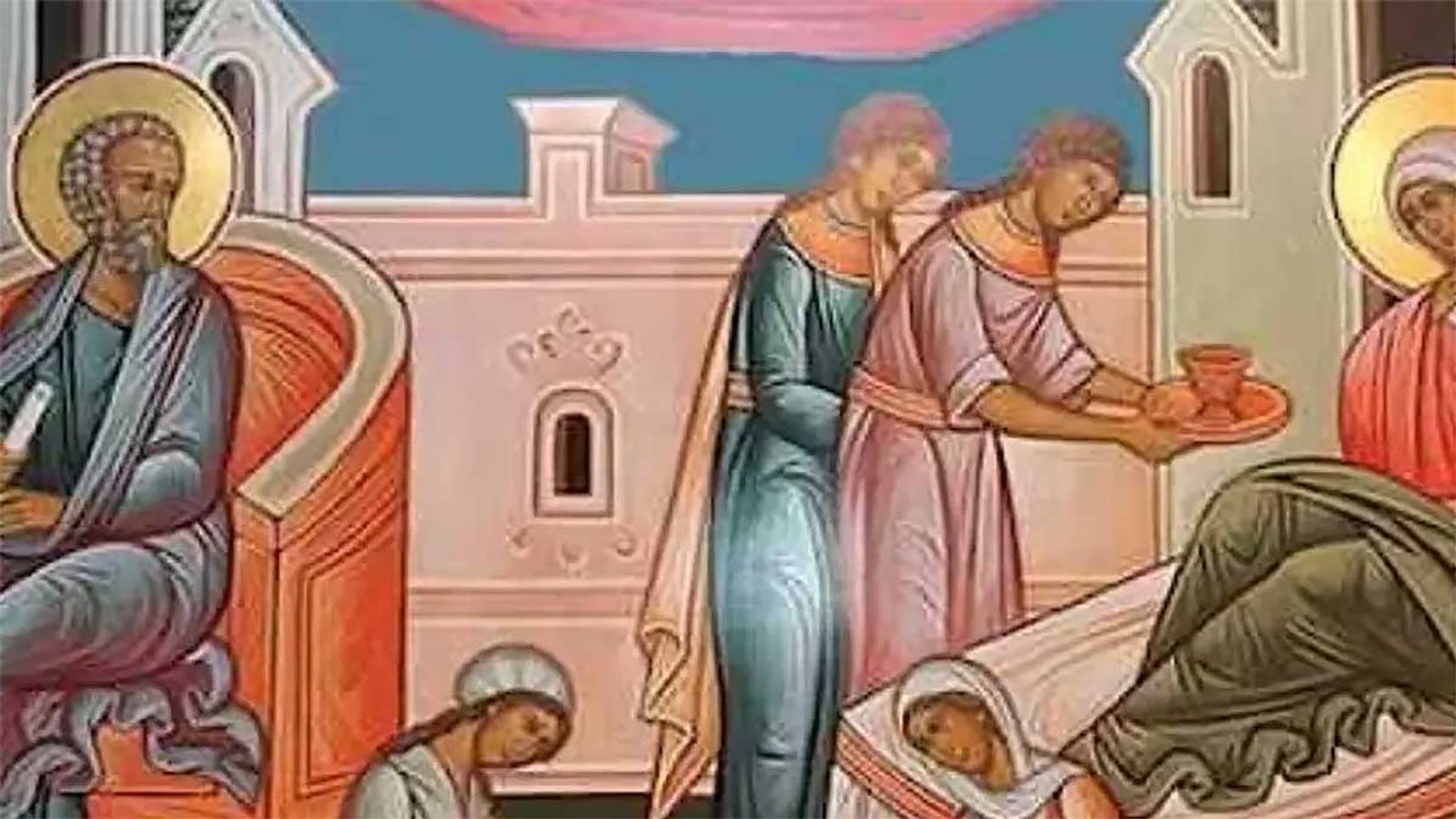
Orthodox Christians mark the Nativity of the Theotokos on September 21, a major Marian feast commonly called "Mala Bogorodica" in the Balkans. The day carries strong symbolic meanings of hope, patience and family celebration.
Behind the feast lies the poignant story of the righteous Joachim and Anna, who, after almost fifty years without children, through sincere prayer and unbroken faith in old age received their daughter Mary — the Mother of God.
Customs, fasting and the calendar
This year, September 21 falls on Monday, which means that according to church rules the festive table is non-fasting and there is no obligation to fast. Families often use the occasion for a large meal with traditional specialties, meat and sweets.
Folk traditions link Mala Bogorodica with the end of summer and the start of autumn. In popular belief the day opens the season for weddings and engagements: it is considered particularly auspicious for betrothals and marriages.
Other customary observances include avoiding heavy physical or domestic labour so the day may be spent in peace, prayer and family attention. There is also a long-standing belief that children born on this feast enjoy special protection of the Virgin throughout their lives.
One widespread household restriction is that nothing should be given away or carried out of the home on the feast day, a practice intended to keep luck and prosperity within the family circle.
Photo: press material from the event