Historic midterm wins in the US: first Black woman governor and first Muslim senator
Midterm results produced multiple historic firsts — from a first Black woman governor to the first Muslim U.S. senator — and clear Democratic gains.
Tuesday's U.S. midterm elections produced a string of historic firsts: the election of the country's first Black woman governor, the first Muslim elected to the U.S. Senate, the first openly gay man to win a Senate seat, and several other milestone victories that strengthened Democratic control in key races.
State-level breakthroughs and national implications
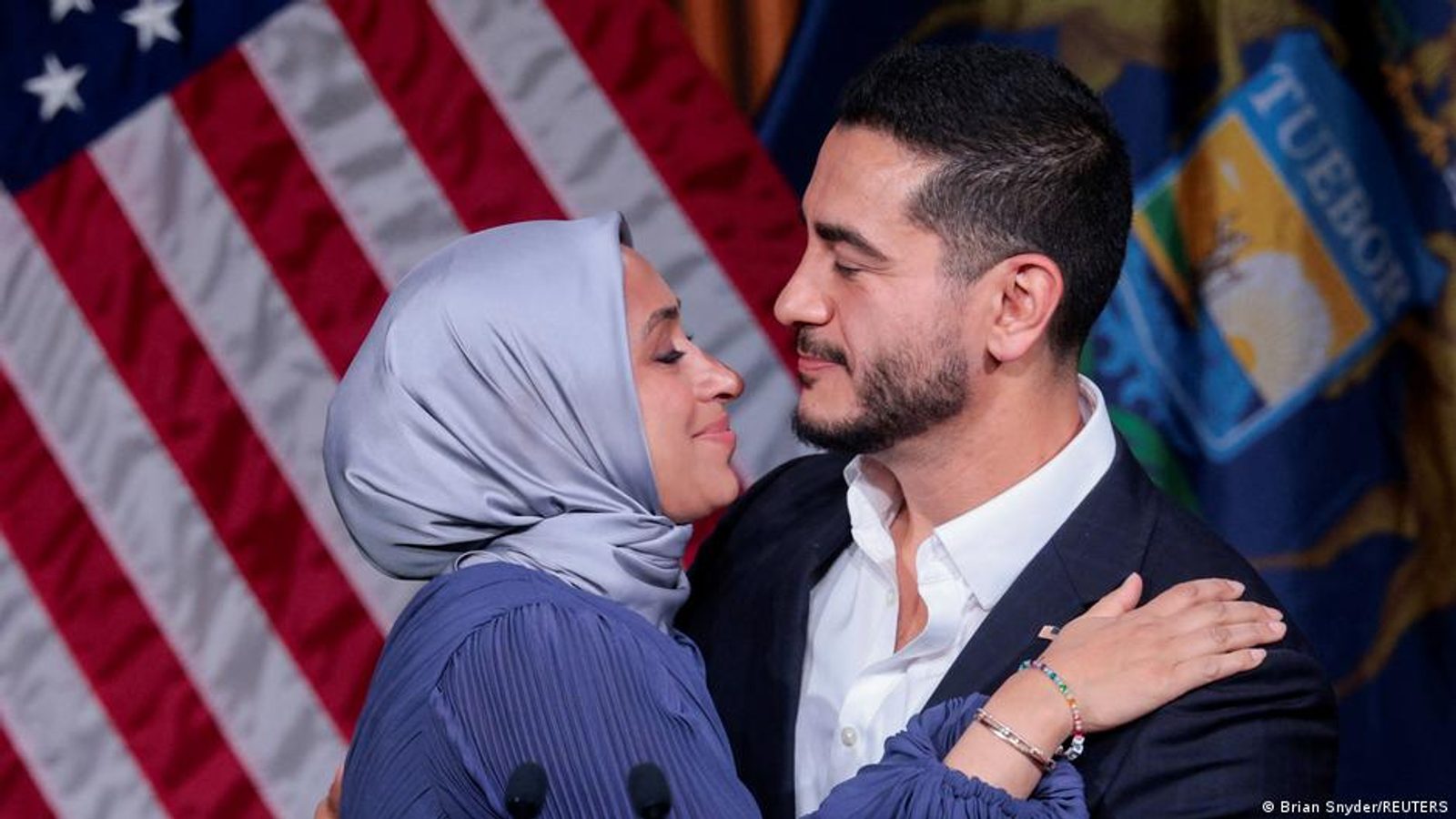
In Michigan, Abdul El‑Sayed won a closely watched Senate race, becoming the first Muslim ever elected to the United States Senate. His campaign drew large crowds but also faced waves of anti‑Muslim rhetoric; the Council on American‑Islamic Relations praised his resilience and said, "This is what is possible when our communities work hard to make our voices heard and to be properly represented in the Senate."
In Georgia, Democrat Kisha Lance Bottoms — the former mayor of Atlanta — defeated Republican billionaire Rick Jackson to become the first Black woman elected governor of any U.S. state, returning the office to Democratic hands after more than two decades of Republican control.
New Hampshire voters elected Representative Chris Pappas to the Senate; Pappas will be the first openly gay man to serve in the chamber. "No one should be discriminated against because of who they are or who they love," he said on his campaign page.
Other historic outcomes included Democrat Deb Haaland's victory in New Mexico, making her the first Native American elected governor; Peggy Flanagan's election as the first Native American U.S. senator from Minnesota; and Gina Hinojosa becoming the first Latina governor of Texas. The results also boosted Democrats more broadly and dealt a setback to efforts to secure a second term for President Donald Trump.
Bill Shibler, director of strategy at the civic participation group State Voices, described the night as "a strong repudiation of hatred and division," and added that voters are seeing themselves reflected in new leaders. If House minority leader Hakeem Jeffries is chosen as Speaker in the new Congress, he would become the first Black Speaker of the House.
Photo: press material from the event