Mental health in focus at European Week for Safety and Health at Work; national awards for 2026
European Week for Safety and Health at Work highlighted psychosocial risk prevention and presented national good‑practice awards for 2026.
Workers' mental health and early detection of psychosocial risks were placed at the centre of this year's European Week for Safety and Health at Work, an event that also saw the presentation of the national awards for good practice in occupational safety and health for 2026.
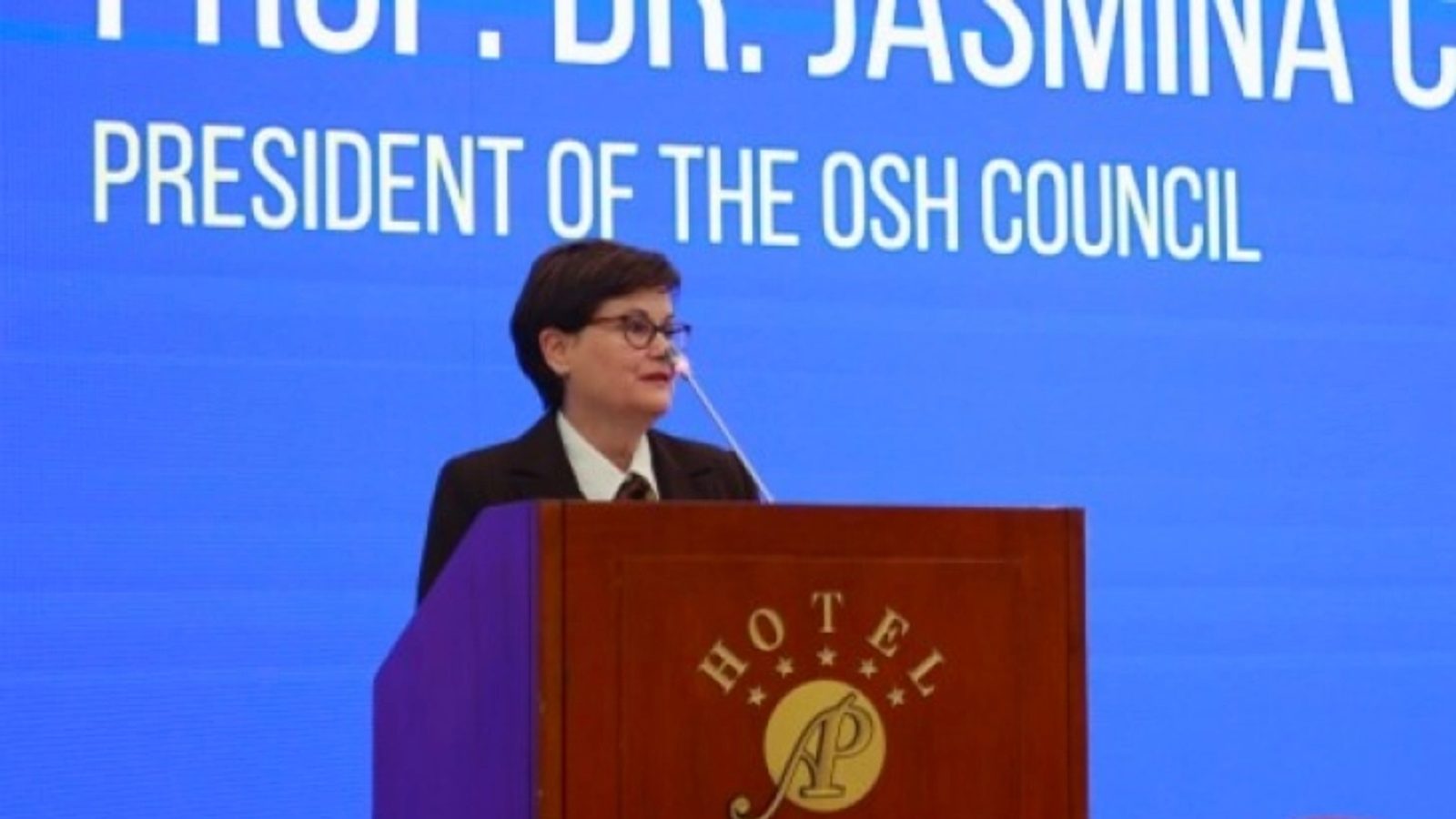
The Council for Safety and Health at Work opened the programme, with its chair Jasmina Čaloska stressing that protecting life and health must be embedded in everyday management across organisations.
Prevention as organisational practice, not paperwork
"The protection of workers' lives and health must be an integral part of the daily management of every organization and company. A culture of prevention is built through everyday decisions, timely recognition of risks, effective communication and active worker participation. Occupational safety and health must not be reduced solely to compliance with legal regulations, paperwork or formal implementation of procedures and protocols. True protection begins when safety becomes part of organizational culture, when prevention is part of every business decision and when care for employees is recognized as a value, not a cost," said Jasmina Čaloska.
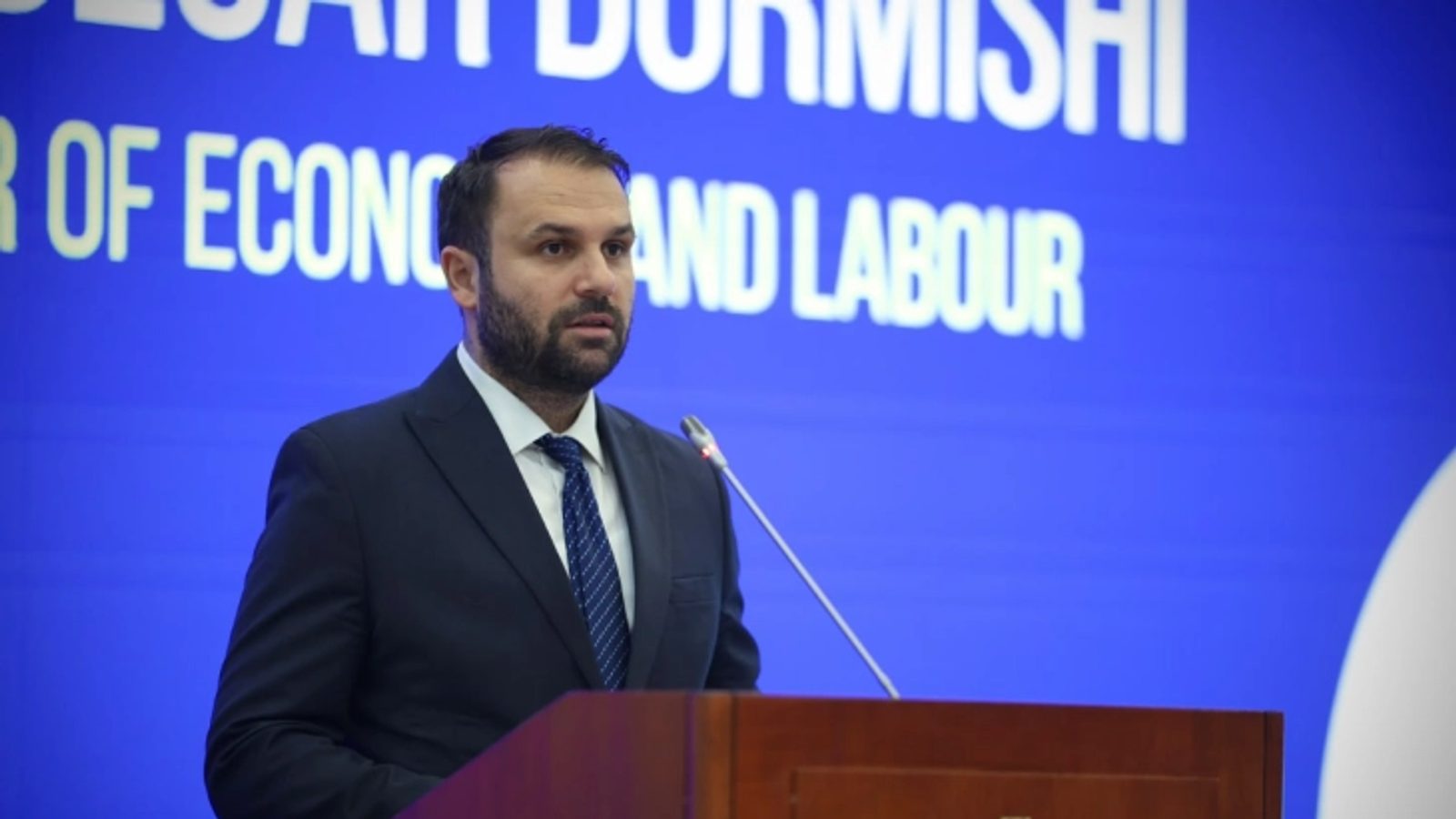
Minister of Economy and Labour Besar Durmishi underlined that occupational safety and health is a basic right and called for stronger legislation, improved prevention and higher standards.
"Modern technologies and digitalization bring new opportunities, but also new risks. Therefore, as the Ministry of Economy and Labour, we remain committed to improving legislation, strengthening prevention and raising standards for occupational safety and health. I am particularly pleased that this year as well we have companies that show investing in employee safety is an investment, not a cost. By awarding the National Prize we want to highlight good practices and encourage more employers to follow their example," said Besar Durmishi.
Representatives of international partners at the event emphasized institutional support and the need to treat psychosocial hazards on par with physical and chemical dangers. "For workers, that should mean better protection and a working environment that cares for both physical and mental health. Prevention is an investment in people and in the sustainability of companies," said Mauro Mashioli of the EU Delegation. "Our message puts prevention at the centre. Psychosocial hazards must be identified and assessed with the same seriousness as physical, chemical and biological hazards. And prevention requires action by employers, worker participation, effective institutions and strong social dialogue," added Kler Harasti of the ILO Office for Central and Eastern Europe.
The national awards for good practice in occupational safety and health for 2026 were presented to the companies "ARC Automotive" and the production, trade and services company "Luthman Backlund Foods Production" DOO Bitola. Winners shared their experiences and the results of measures they implemented to improve employee safety and health.
Discussion at the event also addressed priorities for developing a modern prevention and control system, and the need for effective social dialogue and cooperation among institutions, employers and trade unions. The European Agency for Safety and Health at Work reports that 45 percent of workers in the EU say they are exposed to risks affecting their mental well‑being at work, while 29 percent report work-related stress, anxiety or depression; these figures illustrate the broader challenge that the campaign aims to address.
Photo: press material from the event