Hristijan Mickoski: No veto can erase Goce Delchev from Macedonian hearts
Mickoski told the 23 October academy that EU membership is the only way for North Macedonia to defend its interests equally and that external pressure cannot erase Goce Delchev from the nation's memory.
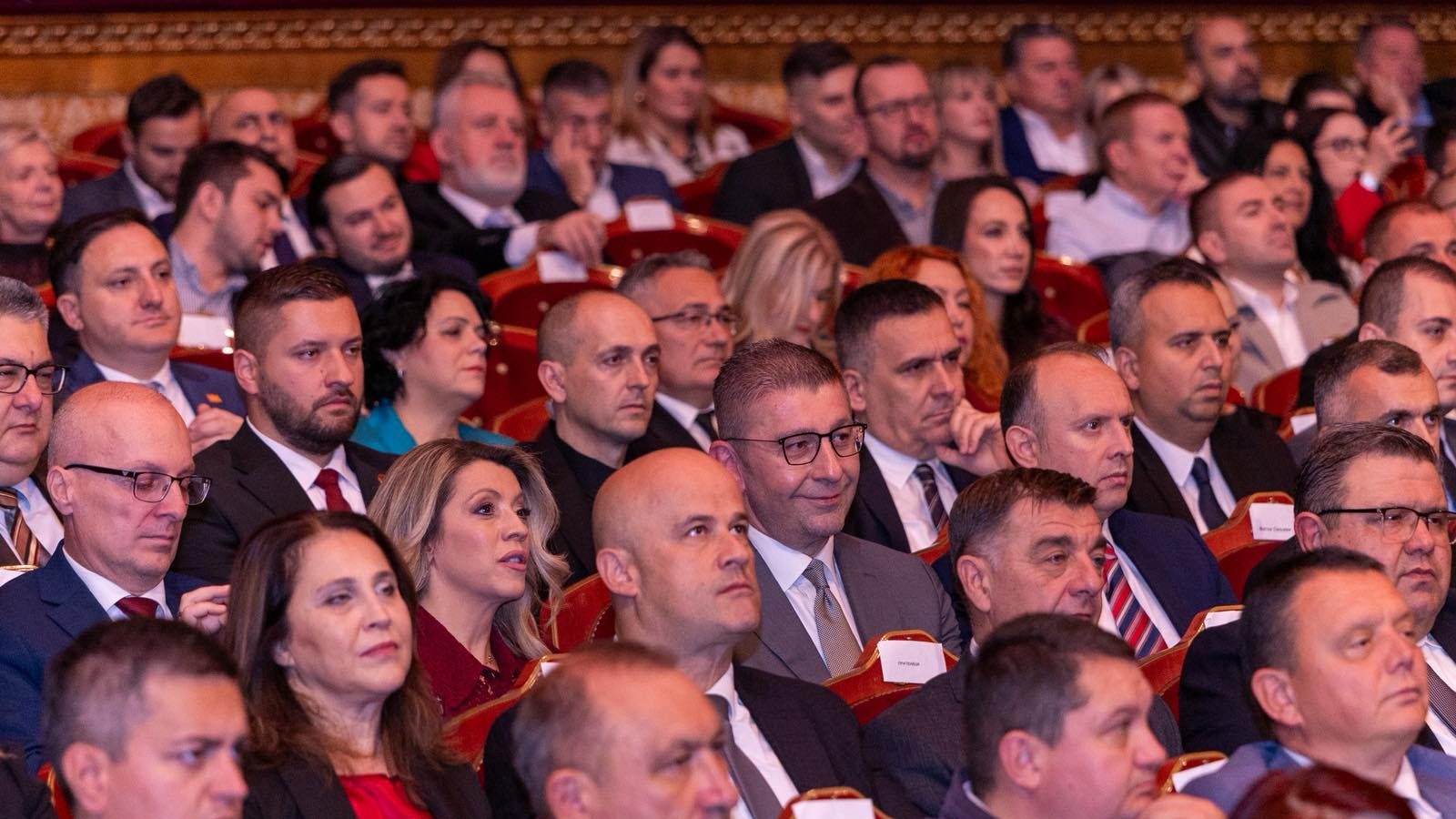
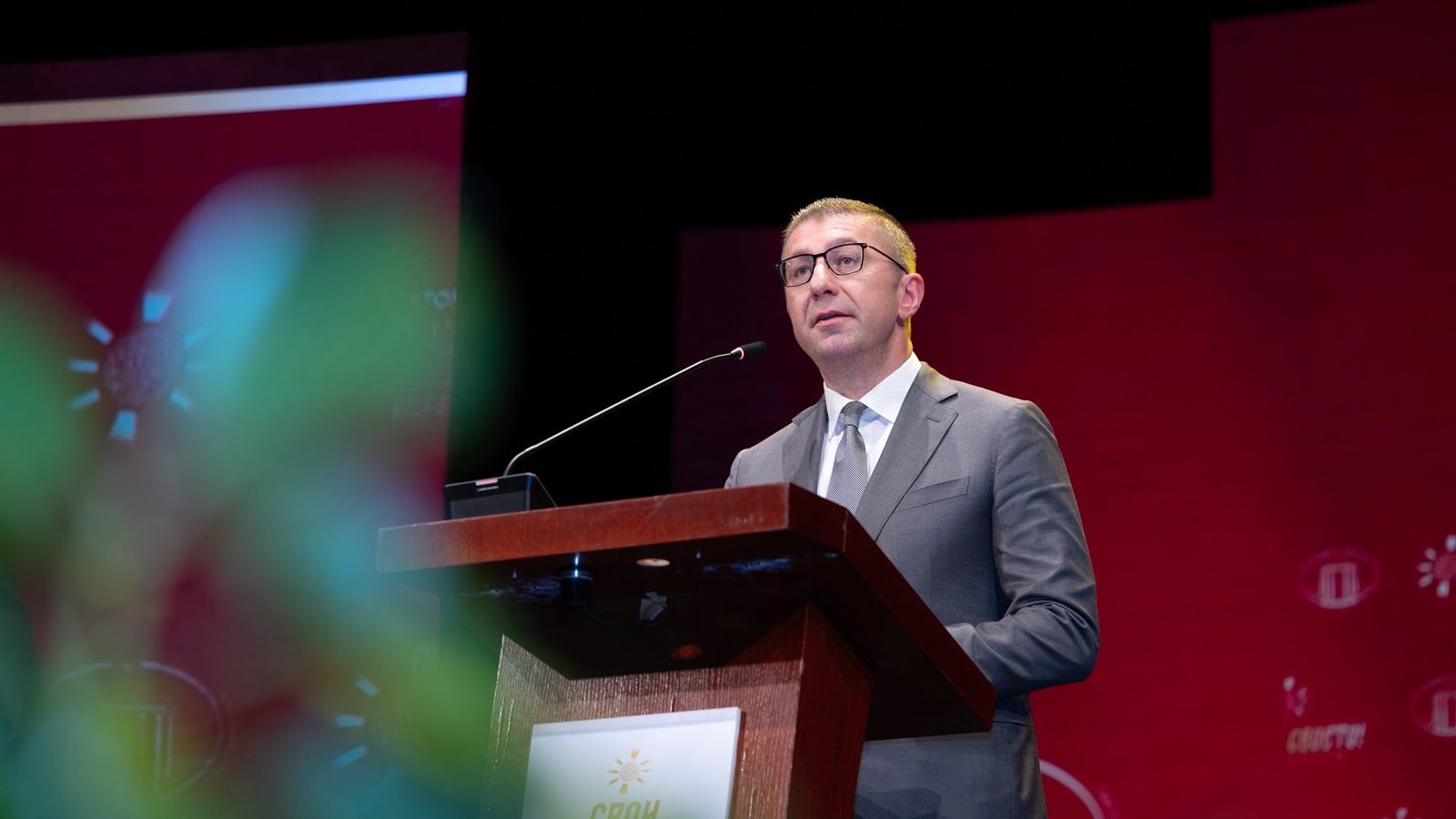
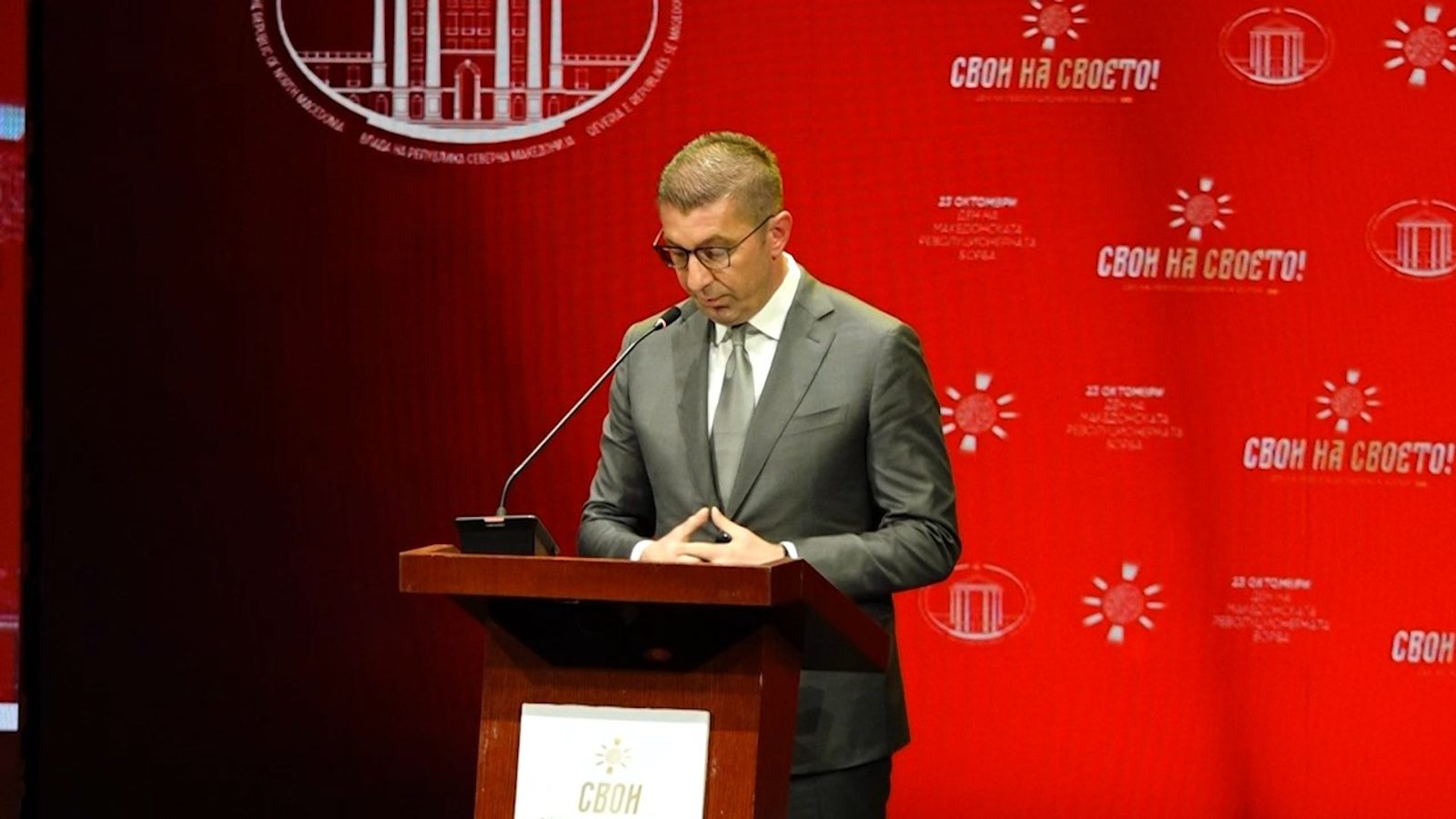
Prime Minister Hristijan Mickoski used the ceremonial academy marking 23 October — the Day of the Macedonian Revolutionary Struggle — to defend national memory and repeat his country's commitment to joining the European Union despite ongoing bilateral tensions with the eastern neighbour.
In a speech that repeatedly returned to the symbolic figure of Goce Delchev, Mickoski rejected attempts to allow external pressure to reshape history. He said: "To those who are tailors of history, who think that with a veto they can reshape our history, I say: our memory does not depend on their approval. No pressure can erase Goce Delchev from the heart of the Macedonian people."
He framed EU accession as the only realistic avenue for North Macedonia to defend its interests on an equal footing. Mickoski urged continued reform efforts and institution-building at home, while acknowledging public fatigue with the long waiting period for membership and the repeated setbacks the country has faced.
On strategy: wisdom over force
Describing the accession path as both the hardest and the longest, Mickoski argued that small states must rely on strategy and unity rather than force. "We are traversing not only the hardest but also the longest path to the EU, burdened with many renunciations, shifts and unjust blows. The big do what they want, and the small do what they must. And this is not a textbook platitude but an excerpt from realpolitik today. Although many are already skeptical and tired of conditions, criteria, bilateral disputes, we must be wise. For small nations, the future lies in wisdom and unity. I do not see politics as an arm-wrestling match, but more like a game of chess. And the big are defeated with wisdom. With wisdom there can be a future, when natural destiny, position and geopolitics no longer offer strength," he said.
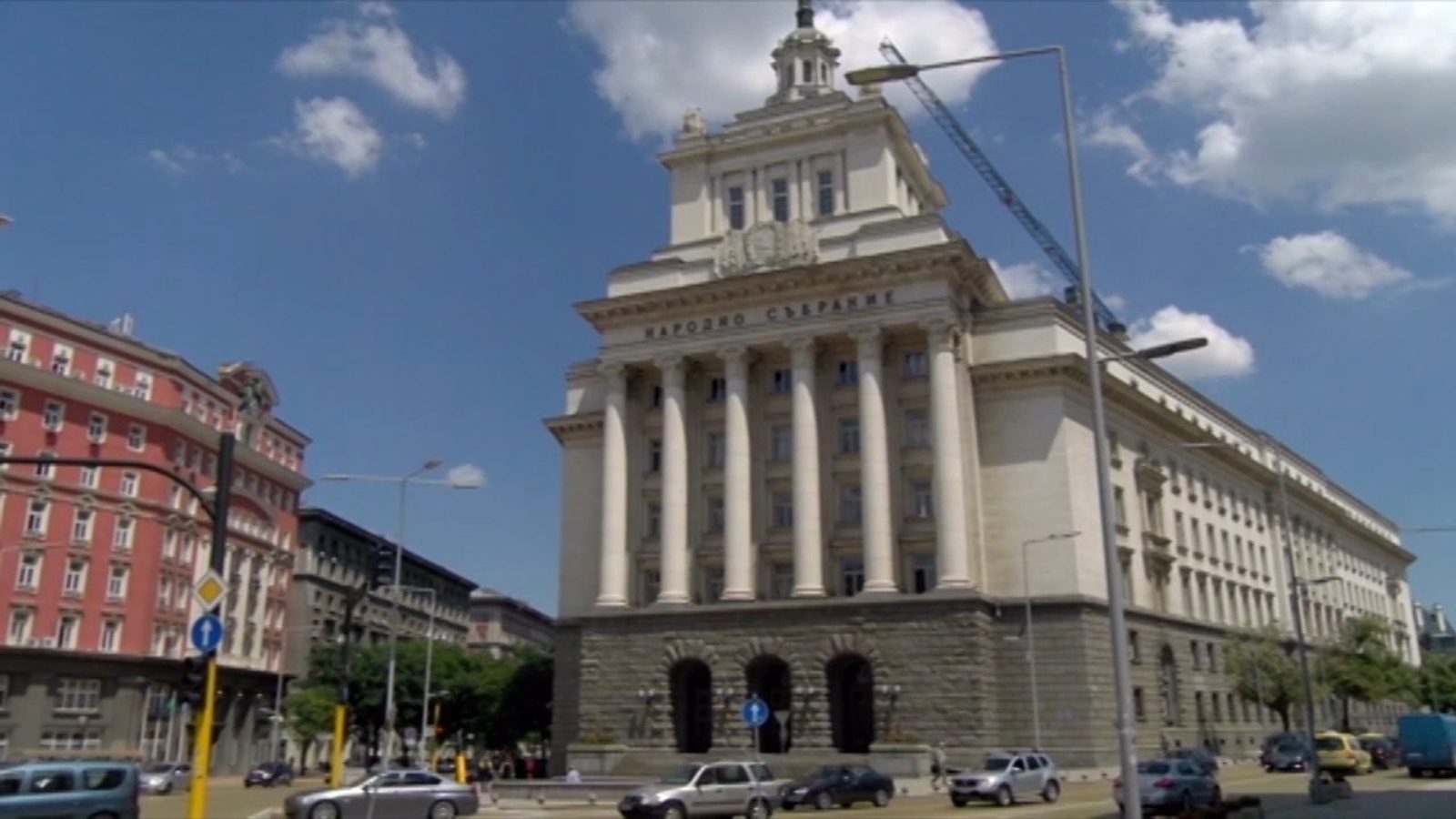
Mickoski singled out Bulgaria's behaviour after joining the EU as an example of how problems can appear or intensify once a neighbouring state gains membership. He warned that leaving the negotiations would mean giving up the only platform to defend national interests as an equal member.
"Often we are told: 'Abandon the negotiations!' It's easy to say, but that way we reject the only chance to enter the club and speak as equals at the same table. And why is it important to enter the European club and speak as equals at that table? Because, looking at the examples of neighbours who entered the Union years before us and now create obstacles for us, we see how important it is to be there. Our eastern neighbour, until its accession, had no remarks about good-neighbourly relations. Until then it did not concern itself with the Bulgarians it claims are important to be part of our Constitution; no one knew of even one case of a deprived self-declared Bulgarian in our country, although today they lament a few, nor did anyone say that Goce, Jane, Karev, Gjorgche are people who today, according to them, are Bulgarians. And everything was like that until their entry into the European Union, when they entered the room where we were not, and now they use every mechanism from there to block us," Mickoski said.
He also warned against allowing external conflicts or imported tensions to influence everyday life in North Macedonia, calling on citizens to resist provocation and to dismiss sensationalist or artificially amplified ethnic questions. Mickoski closed by saying his role is not to dwell on the past but to secure a better future for children while holding firm to what he described as a pro-Macedonian policy.
Photo: Vlada