Mickoski announces €1,000 average wage target by 2028
Prime Minister in Kumanovo cited GDP and export growth and called for national unity while pursuing a European future.
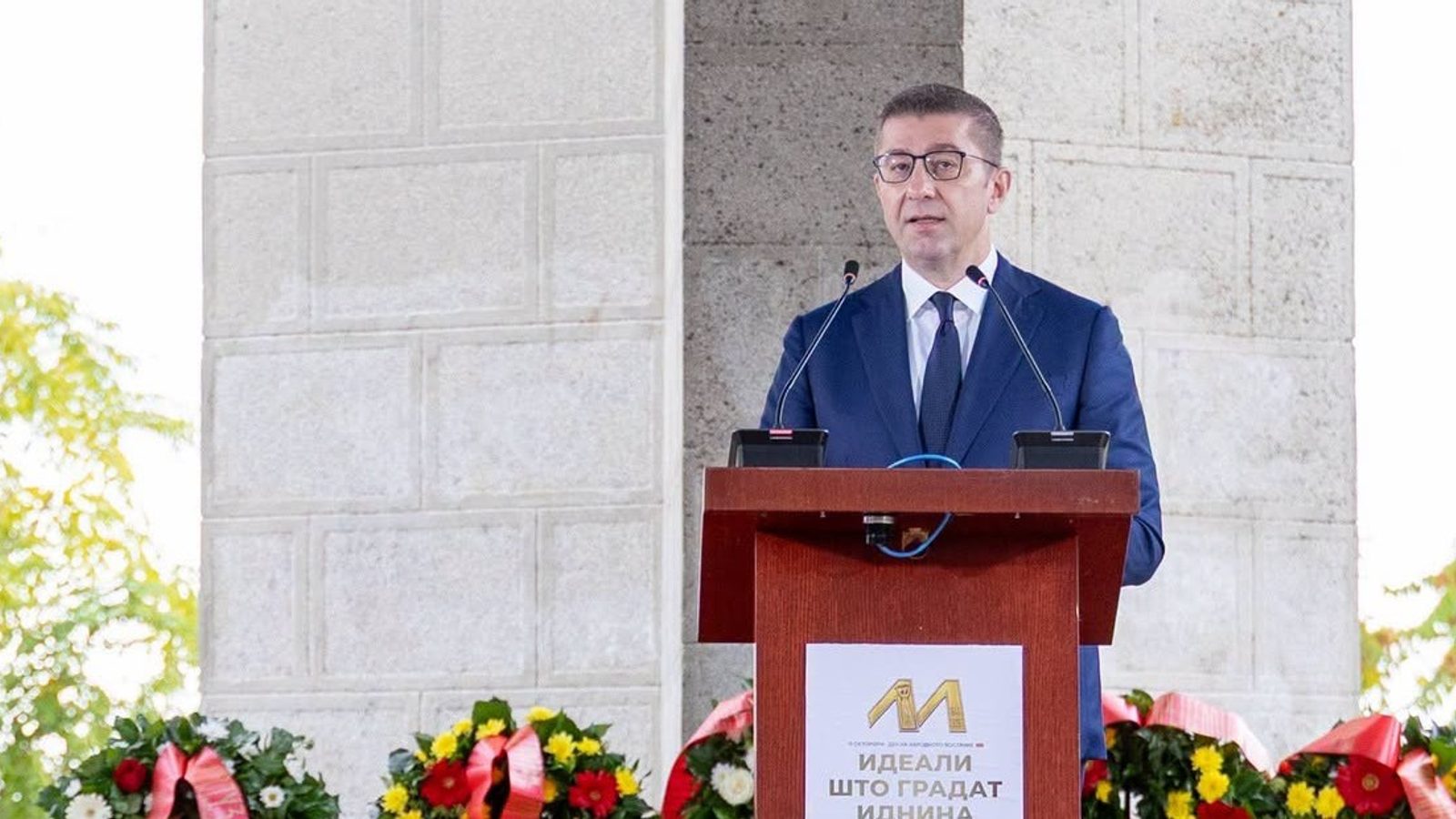
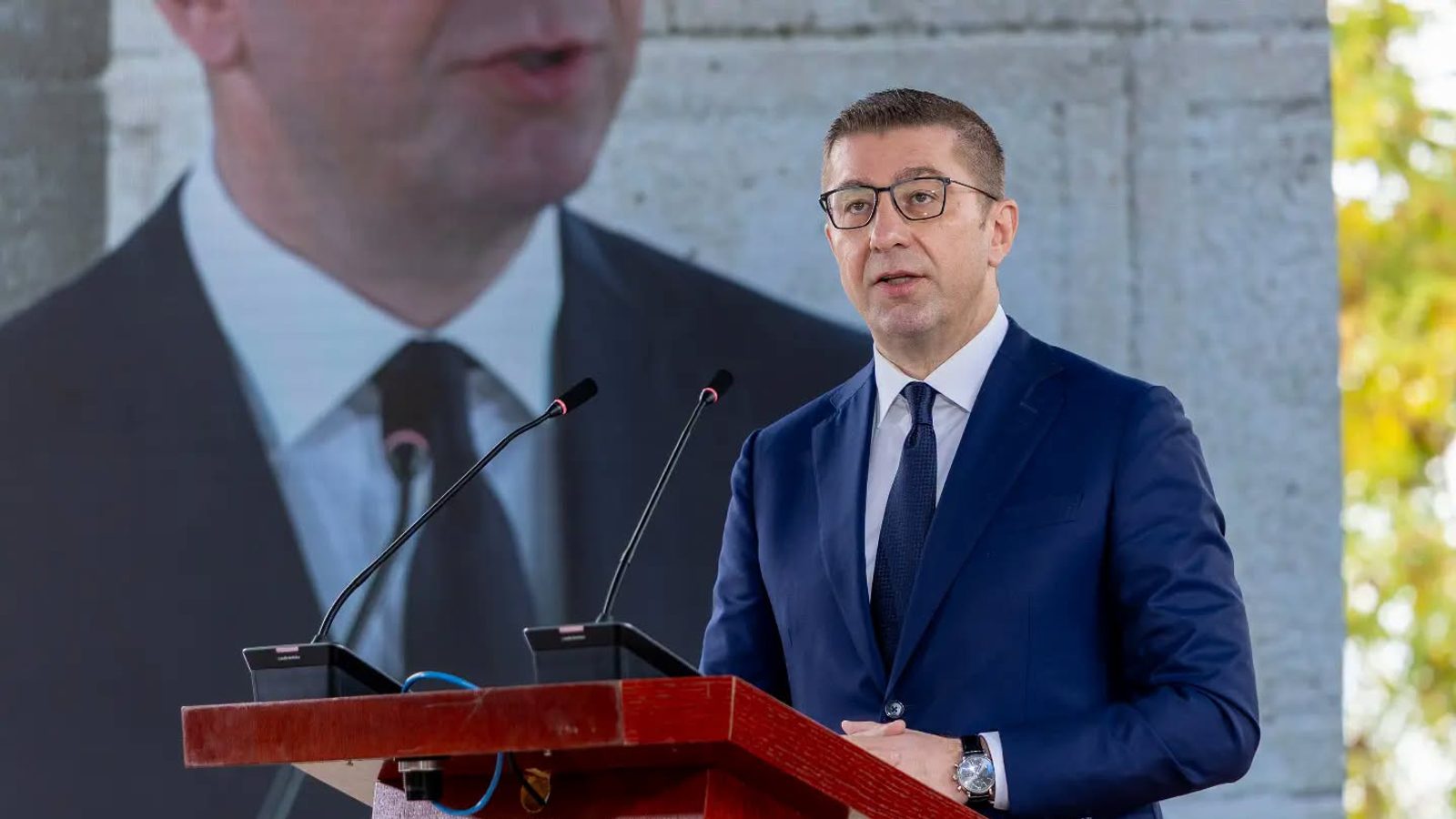
Prime Minister Hristijan Mickoski used the October 11 commemorations in Kumanovo to outline economic targets for his mandate and to appeal for a unified national direction toward Europe.
Speaking to attendees, Mickoski pointed to recent macroeconomic indicators and set a headline goal for household incomes: an average net wage of €1,000 by 2028.
Economic figures and the wage target
He framed the target as the outcome of stronger growth and higher exports, and presented concrete numbers to back his claim. In his address Mickoski stated:
“An economy that moves forward creates new value and opens room for a higher standard of living. In 2024 and 2025, and in that direction we continue in 2026, nominal growth is the highest in the region and is over 8%. Exports in the first eight months of the year reached €5.74 billion, with growth of 8.7 percent. The average net wage in July reached 48,499 denars, with an annual nominal increase of 7.1 percent. The goal of this Government is that by the end of the mandate we approach an average wage of €1,000.”
Alongside the economic message, Mickoski emphasized that the pursuit of a European future must respect national dignity and identity. He repeated his call for broad political responsibility and cohesion in dealing with neighbouring countries and regional issues:
“We want a European future, strong alliances and friendships, but with our heads held high. Macedonian identity, language and history are our heritage, our pride and our obligation to future generations. Our fatherland is bigger than any party and any government. Political differences must not be stronger than our shared responsibility. We need national unity around the big strategic goals. With our eastern neighbour we are linked by neighbourhood, history and the future of this region. Regarding the past we can have different interpretations. For the future we must have shared responsibility, to build relations in which no one will have to deny the other to confirm themselves. Our language is not an obstacle to a European future. It is part of Europe's cultural heritage. Our identity is not a problem to be solved, but dignity to be respected. We do not ask Europe to choose between us and them. We ask that European principles apply equally to everyone.”
Mickoski tied the wage promise to broader economic policy and called on political forces to join in pursuing the strategic goals he outlined at the Kumanovo ceremony.
Photo: Vlada na RSM)