Ministry: 54 computer-crime complaints in 2026, fake SMS scams rising
Scammers use fake traffic-fine messages, foreign numbers and counterfeit websites; authorities report one criminal complaint filed by 13.10.2026.

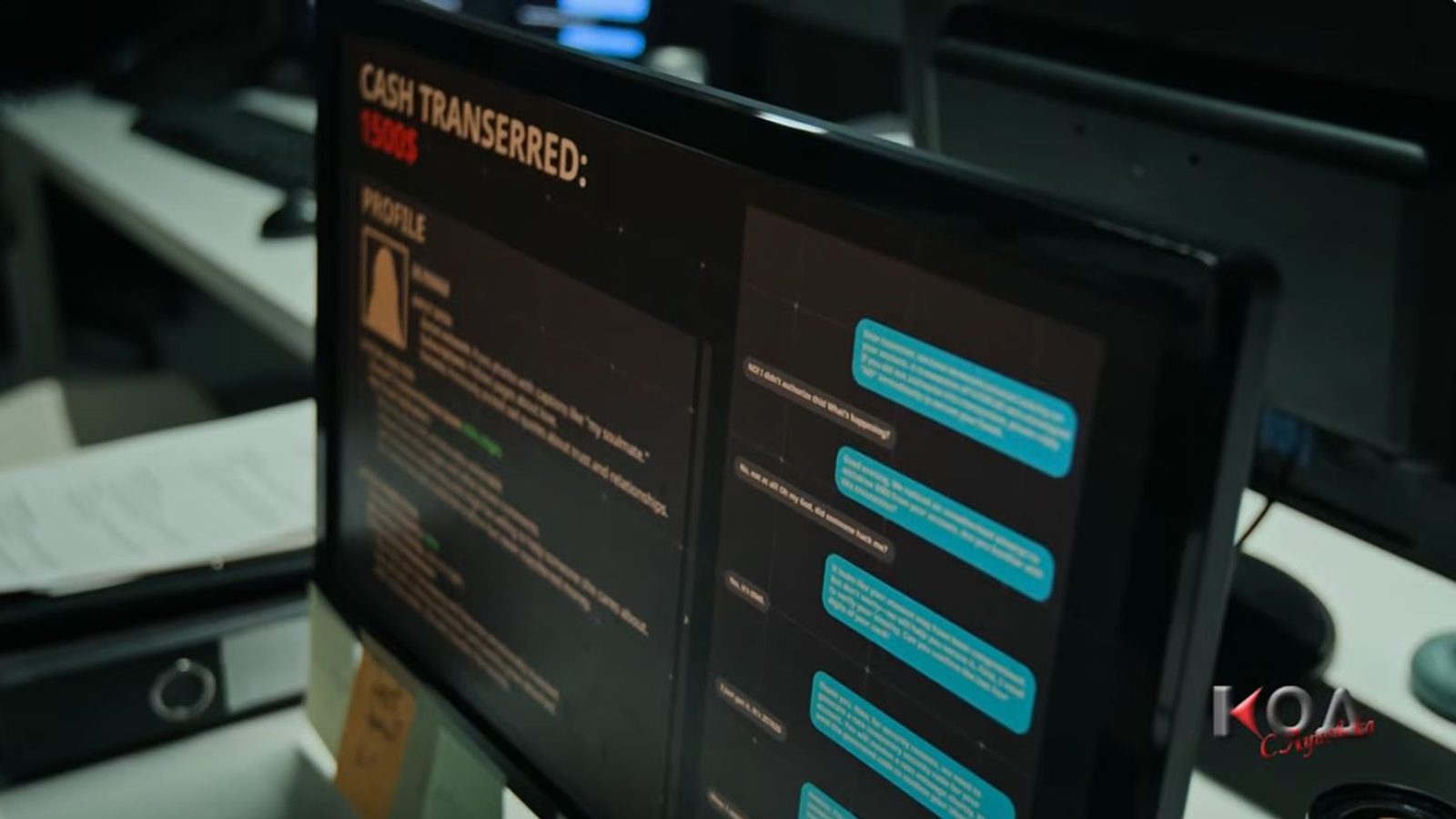
The Ministry of Internal Affairs (MIA) reported that 54 complaints related to computer crime were lodged in 2026, as scammers increasingly use fake SMS messages about traffic fines and other online schemes to steal money or data.
Scammers often exploit panic and haste. One common trick is an SMS that claims the recipient has committed a traffic violation and offers a 50 percent discount on the fine if paid within eight days. The messages sometimes impersonate the "Safe City" system and use foreign phone numbers and web addresses resembling official MIA channels.
How the fraud works and who is targeted
Fraud messages have reached people who do not own cars. One man who received a message from a number with the international calling code +63 told reporters that the text said the violation had been recorded by video surveillance and offered a 50 percent discount if the fine was paid within eight days, warning of further consequences if payment was not made.
"At the moment I was at work when the notification arrived. I don't have a car and I always travel by bus. We laughed with colleagues, we shouted: let's go for a ride in my car," the citizen said. Fraudulent links lead to pages that are not the MIA's official domain; their aim is to collect card details so criminals can make unauthorized withdrawals.
The MIA and the National Computer Incident Response Team MKD-CIRT have repeatedly warned the public. After the Safe City pilot phase was announced in December 2025, phishing messages using its name appeared. Authorities also issued warnings in January 2026, and in May 2026 the ministry reported messages sent from foreign numbers requesting people to enter license plates and pay 1,500 denars via fake websites; MKD-CIRT issued another alert in July 2026.
"During 2026, up to 13.10.2026, a criminal complaint has been filed against two perpetrators; the other cases are all in the process of collecting data through international cooperation," the Ministry told journalists.
Police records for 2025 showed more than 50 reports about various online scams, especially fake parcel notifications. The ministry says it cooperates with international organizations and platforms — Interpol, Europol, Eurojust, Meta, TikTok and crypto exchanges such as Binance, Coinbase and Kraken — when investigating these cases.
An internal survey by the reporters found that nearly one quarter of respondents said they had been victims of online or phone scams. Reported financial losses ranged from 1,001–5,000 denars to 5,001–20,000 denars. More than half of respondents believe the public is insufficiently informed about online and phone scams, and only a minority reported suspicious messages to banks, police or other authorities.
Authorities urge citizens not to enter payment card details on unverified websites, to verify any notice about a traffic fine via official channels, and to report suspicious messages or fraud attempts to the police.
Photo: press material from the event