Saint Euphemia commemorated on 29 September — customs for household peace
Believers remember Saint Euphemia on 29 September; folk customs link the day with home cleaning, candles and reconciliation.
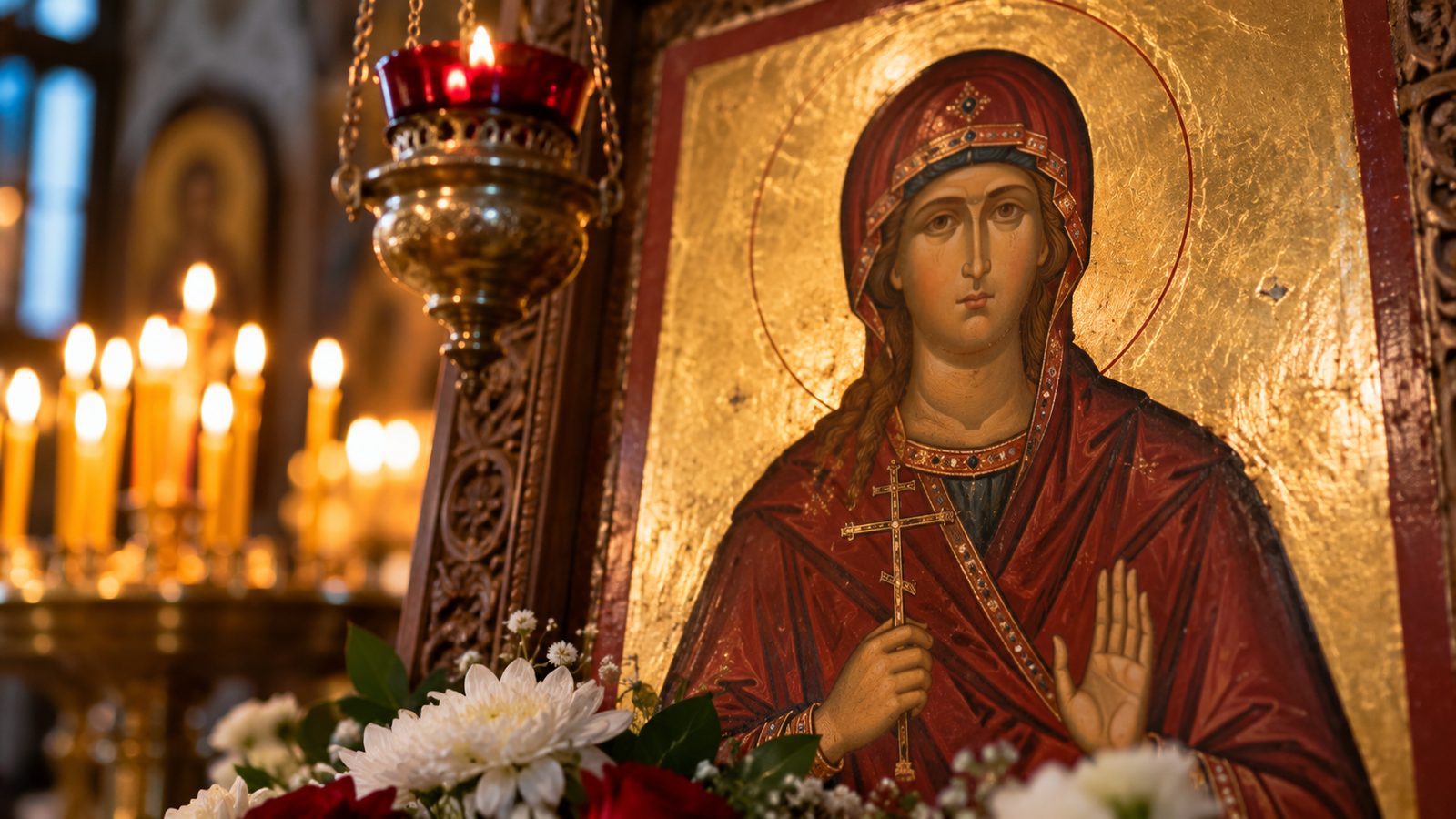
On 29 September the Orthodox Church and many believers commemorate Saint Euphemia, remembered in Christian tradition for her steadfast faith and martyrdom during the early persecutions of Christians.
Life, martyrdom and a relic that shaped a council
According to tradition, Euphemia lived in Chalcedon and came from a devout, respected family. She dedicated herself to Christ while young and refused the imperial demand that Christians perform sacrifices to pagan gods. Arrested with other believers, she endured severe torture and ultimately gave her life rather than renounce her faith.
More than a century after her martyrdom, during the Fourth Ecumenical Council held at Chalcedon in 451, people tell of a remarkable event connected to her relics. Two conflicting statements of faith were placed in the coffin with her remains, and when the coffin was later opened the Orthodox confession was found in the right hand of Saint Euphemia — an occurrence regarded in tradition as a miraculous affirmation of Orthodox teaching.
Alongside the church commemoration, folk customs developed around her feast day. At the end of September families traditionally prepare the house for colder weather: clearing out old things, tidying rooms and making the home ready for winter. A clean house became a symbol of clear thoughts and family harmony.
Popular belief also links this day with protection and domestic peace. Women and mothers often light candles and pray for health, protection and peace for their loved ones. The day is considered unsuitable for quarrels; old disagreements are meant to be set aside, and it is seen as an opportunity to make the first step toward reconciliation so that the evening does not end in anger.
The Church, however, places prayer, faith, good deeds and the memory of Euphemia’s martyrdom at the center of the celebration, while the household customs belong to local tradition. For many believers the day is a reminder of endurance, patience and hope, and a chance to place more attention on family, forgiveness and spiritual tranquillity.
Photo: press material from the event