Over 30,000 households are literally surviving — Faculty of Philosophy study shows small municipalities hardest hit
Study finds remote municipalities like Čaška, Staro Nagoričane and Konče face the highest rates of multidimensional poverty.

About 6 percent of North Macedonia’s population — just over 30,000 households — live in multidimensional poverty, a new study by the Faculty of Philosophy shows. The researchers found that poverty in the country is not only a lack of money but a continual calculation of what to pay now and what must wait.
Remote towns feel the strain most
In smaller and more distant municipalities, the pressures stack up: electricity, heating, food, medicine. Families cover one need and another remains unmet, and the final choices can be brutal — medicine or food, a meal for the children or a warm home.
“What they can meet is literal survival. From basic food products when anything remains, and with loans and bill payments, and that little they have because many of them cannot afford heating and other additional costs. In families with children the focus is first on the children's needs — whether they are health-related or school-related; very few of them said they could afford to go on holiday once a year. A large share of them say food is already a problem,” said Maja Gerovska Mitev, professor at the Faculty of Philosophy.
“The middle class is slowly becoming unreachable for a growing number of citizens,” said Biljana Dukovska of the Macedonian Platform Against Poverty, describing how earnings are absorbed by bills, food and basic needs while savings remain only a wish.
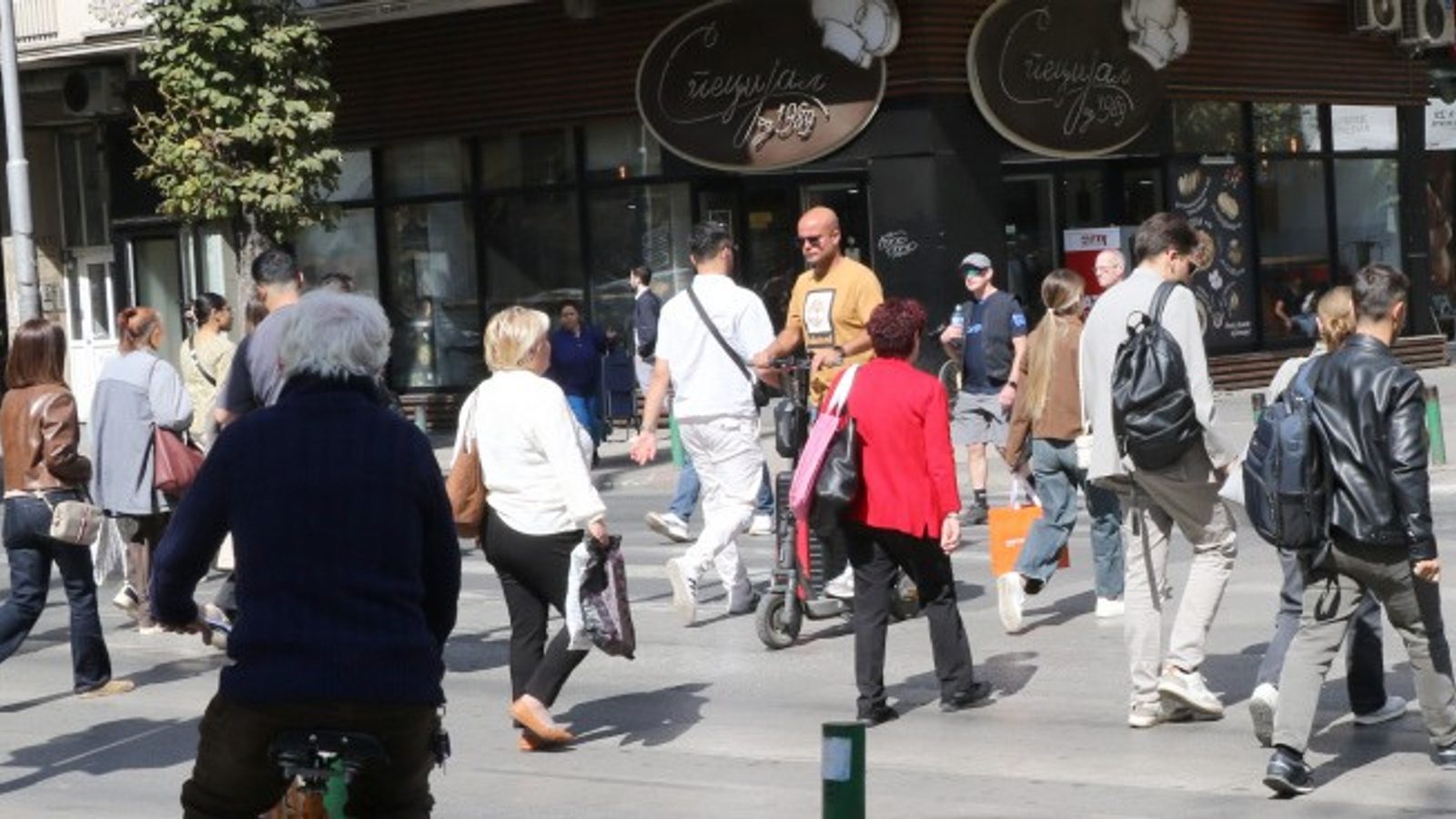
Citizens say: “It’s hard to live without money.”
The study highlights stark municipal differences. In Čaška, 71 percent of households face multidimensional poverty; Staro Nagoričane follows with 66 percent, and Konče with 58 percent. The researchers warn that when school, health care and work are far away, multidimensional poverty becomes deeper and harder to escape.
Photo: press material from the event