More than 90 arrested in Serbia after snap parliamentary vote
Arrests span senior police officers, a banker and local officials after the Student List’s upset win; new parliament meets November 17.
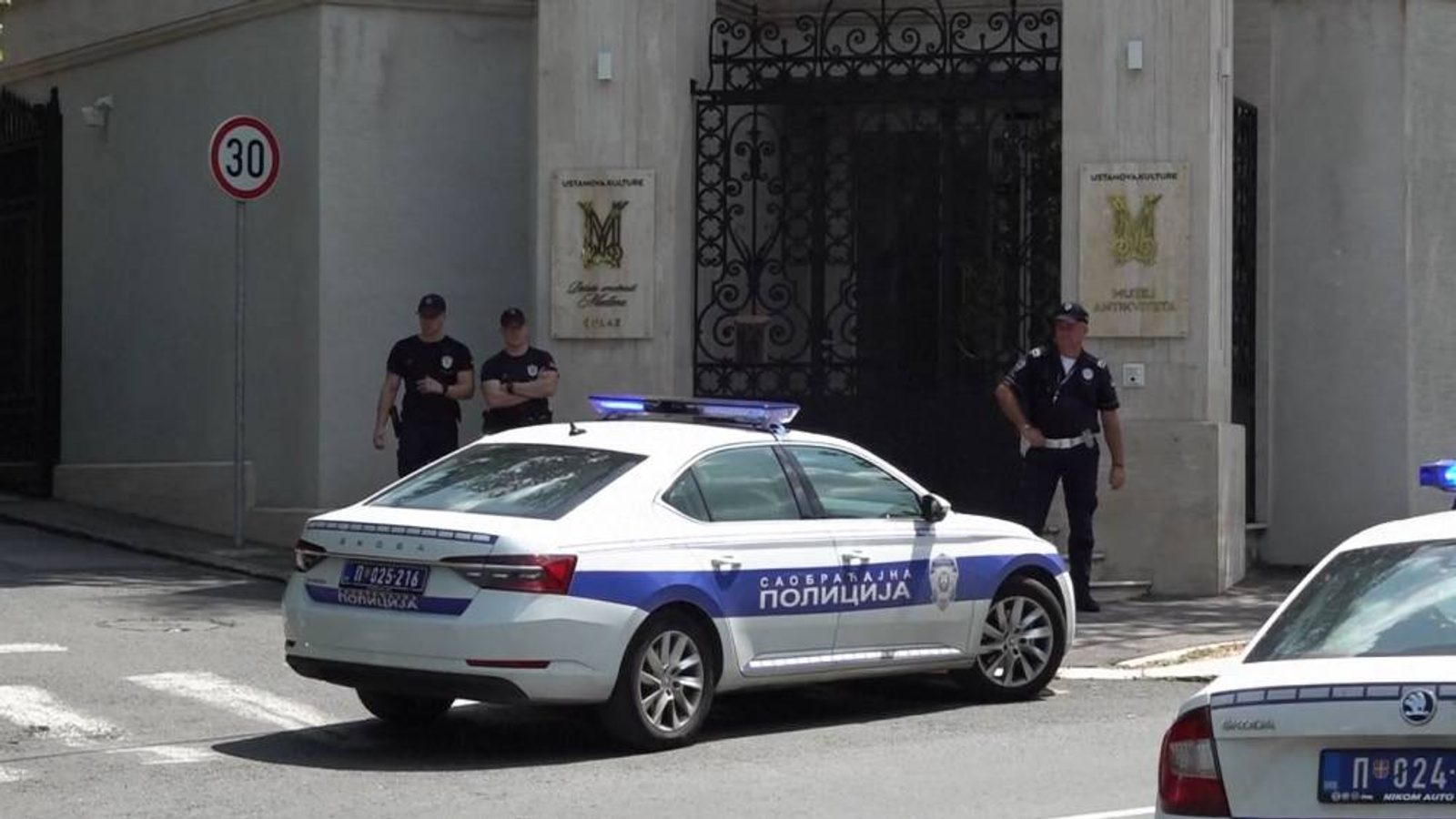
More than 90 people have been arrested in a series of police operations across Serbia in the two weeks following the snap parliamentary election on October 25, on suspicions ranging from corruption to other criminal offences. Those detained include senior police officials, bankers, provincial and municipal administration employees and directors of public enterprises.
Post-election sweep and political context
The arrests followed the victory of the Student List — Students Win, a movement born out of two years of anti-government protests triggered by the deaths of 16 people when the canopy of the renovated railway station in Novi Sad collapsed on November 1, 2024. On October 25 the Student List beat the Serbian Progressive Party (SNS), which had governed for 14 years with a list led by the then president Aleksandar Vucic.
Among those already detained are the head of the Criminal Police Directorate, Marko Kricak; the head of the Crime Suppression Service, Bosko Sekulic; the commander of the Special Anti-Terrorist Unit, Igor Zmiric; and 17 other police officers. Analysts say the scale and profile of arrests point to factional clashes within the police.
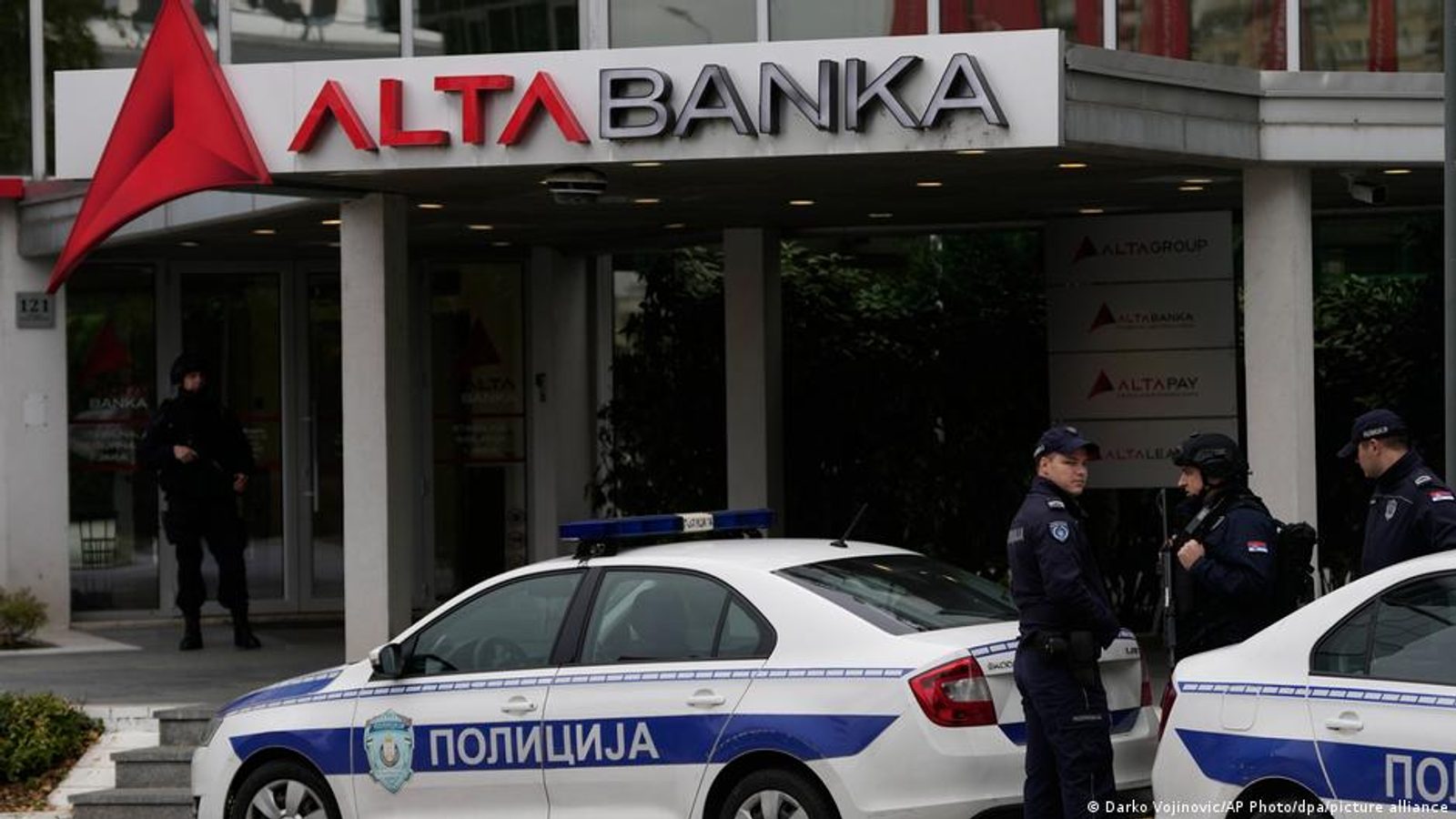
Bank owner Davor Macura, proprietor of Alta Bank, has been arrested along with two associates on suspicion that around €380 million was removed from the bank’s vault; the bank has entered bankruptcy proceedings. Other arrests include provincial social policy secretary Predrag Vuletic and his associate, the director of the Republic Hydrometeorological Service, Jugoslav Nikolic, the warden of the Zabala prison Rodoljub Roncevic, and the mayor of Indjija, Marko Gasic, together with several municipal collaborators and a group of directors in Novi Sad; public pressure has led to a number of local resignations.
Legal experts point out that under the SNS decade-long rule it was almost unthinkable for the judiciary and police to act "ex officio" on cases that had previously remained "in drawers." They say the recent arrests "show that depoliticization has become evident and tangible within the institutions."
Professor of Law Goran Ilic from the University of Belgrade has stressed that courts and prosecutor’s offices already had the powers to act, but the question was whether files would be shelved or pursued. "Within the institutions themselves, the faction that had been sidelined is now taking the opportunity to come to the fore," Ilic told Radio-Television Serbia. He also warned that while it is "undeniable" that some police and prosecutors in the recent operations "seek to ingratiate themselves with the new government," the public should still ask "where were they until now."
Separately, the Higher Public Prosecutor’s Office in Belgrade has dropped criminal proceedings against nine students who were arrested after a large anti-government protest at the end of June 2025 and accused of preparing to overthrow the constitutional order and endangering Serbia’s security. Their lawyer, Aleksandar Radojicic, said it is now "time to open the question of responsibility" and to determine "who, how and why had been following those children since January 2025."
The new parliament is scheduled to convene for its constitutive session on November 17, which will trigger a 90-day period for MPs to form a government. Parallel to the formation of parliament and the government, the countdown for presidential elections has also started: following Aleksandar Vucic’s resignation on September 27, the vote must be held no later than December 28.
Photo: press material from the event