NATO considers bolstering nuclear deterrent in Europe amid concerns over Russia
Alliance discussions reportedly include options to move or add U.S. tactical nuclear weapons in Europe amid perceived threats from Russia.
NATO is preparing to strengthen its nuclear deterrent posture in Europe, citing security threats tied to Russia under President Vladimir Putin. Alliance deliberations reportedly include the possibility of placing additional U.S. nuclear weapons on European soil if the security climate deteriorates.
Possible moves and locations under consideration
Officials and experts monitoring the developments say planners are looking at options that range from reinforcing existing storage and delivery arrangements to deploying further tactical nuclear assets closer to potential flashpoints. Analysts have suggested the United States may already have transferred some B61-12 bombs to the RAF Lakenheath air base in the United Kingdom.
Should tensions rise further, NATO planners are said to be considering countries nearer to Russia as potential hosts for tactical nuclear weapons, with Poland, Finland and Lithuania listed among possible locations.
The measures under discussion focus largely on so-called non-strategic (tactical) nuclear weapons. These weapons are intended for use against enemy forces, air bases, ports, command centers and other military infrastructure. Compared with strategic nuclear arms, they generally have lower yields and are normally delivered by combat aircraft, shorter-range missiles and cruise missiles.
Experts estimate that after the major post–Cold War nuclear reductions, roughly a hundred B61-12 bombs remain stored across six air bases in Germany, Belgium, Italy, the Netherlands and Turkey.
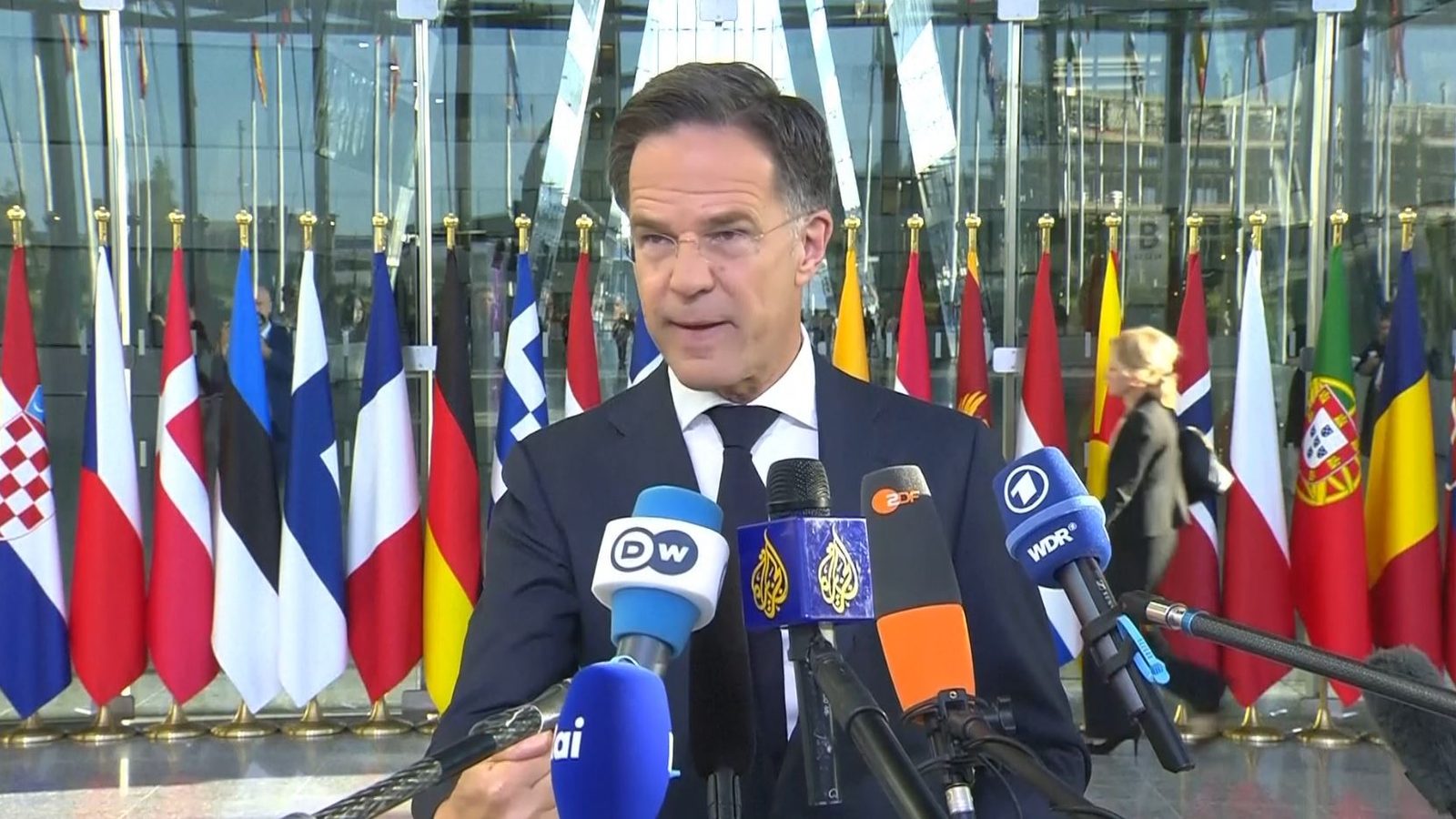
NATO Secretary General Mark Rutte, in an interview given in mid-July, did not rule out the possibility of additional U.S. nuclear forces being deployed in Europe in the future. He declined to comment on details of ongoing assessments and consultations, citing the confidential nature of the process, and said NATO continually evaluates what capabilities it needs and how its nuclear deterrent should be structured.
Photo: press material from the event