Five countries weigh Uganda site for rejected asylum seekers
Five EU countries are discussing a pilot centre in Uganda that could accommodate up to 10,000 rejected asylum seekers and aims to speed up returns by 2027.
Austria, Germany, the Netherlands, Denmark and Greece are reportedly in advanced talks to establish a migrant return centre in Uganda that could operate as a pilot and possibly open by 2027. The initiative remains conditional on a final agreement among the five states and on resolving multiple legal and technical issues.
Officials say ministers from the five countries are scheduled to meet in Copenhagen on 4 September to review progress. Before any treaty is signed, technical teams would travel to Africa to inspect potential sites, governance arrangements and the practicalities of organising returns.
Under current planning the centre could initially house up to 10,000 migrants whose asylum claims have been rejected in European Union member states. The primary objective would be to channel and accelerate returns to countries of origin rather than allowing rejected applicants to remain in Europe without legal status.
Open questions on procedure, status and costs
The plan foresees that some migrants might opt for voluntary return to their home countries instead of being transferred to Uganda to await organised repatriation. Key unresolved issues include the mechanics of carrying out returns, the legal status of people housed in the centre and the conditions under which transfers to the African country would take place.
Rwanda is being discussed as an alternative location, and Kenya — considered earlier — appears unlikely to remain part of the negotiations. The five partners must also decide who will pay for accommodation, security and transport and which state will be responsible for procedures affecting rejected applicants. Observers warn the scheme must respect international refugee law and human rights obligations.
The proposal is linked to Italy's push to broaden an "Albanian model" at EU level: Prime Minister Giorgia Meloni has promoted centres in safe third countries where irregular migrants can be held, assessed and prepared for return. The idea gained renewed political urgency after the arrival of tens of thousands of migrants in the Spanish enclave of Ceuta.
Despite the discussions, the Uganda centre remains only a proposal with no guarantee of adoption. If the plan moves forward, participating governments will need to define legal safeguards for migrants, the allocation of responsibilities among partners and detailed rules for returns to countries of origin.
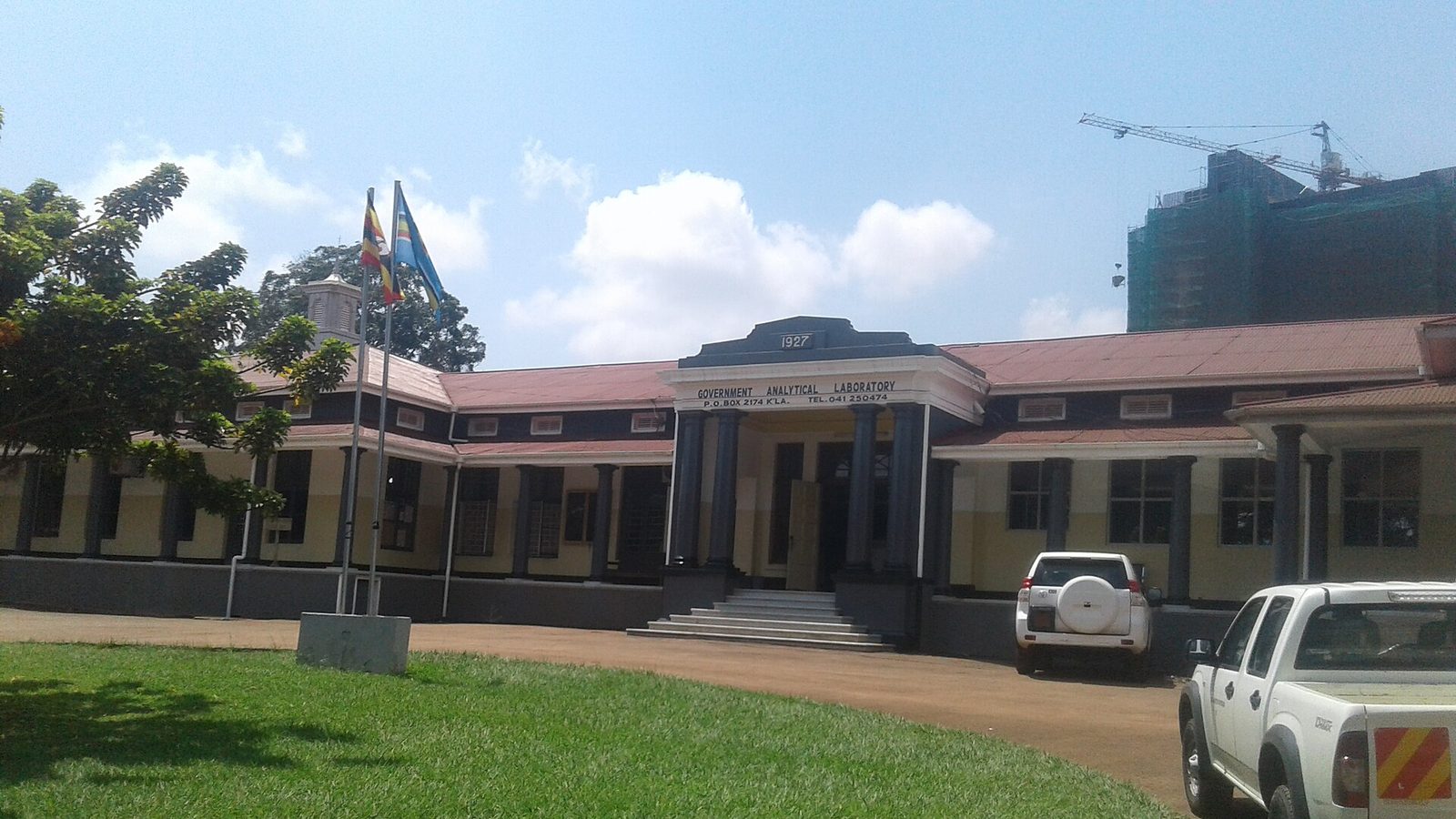
Photo: nakaweesi.sarah / Wikimedia Commons (CC BY-SA 4.0)