New Scandal: 51 Bacteria in the Water at the Leshok Hospital Since May — "Nobody Reacted," Filipche Charges
The SDSM leader presented whistleblower documents and warned that chlorine in Gostivar's water was double the permitted level, with a risk of carcinogenic compounds
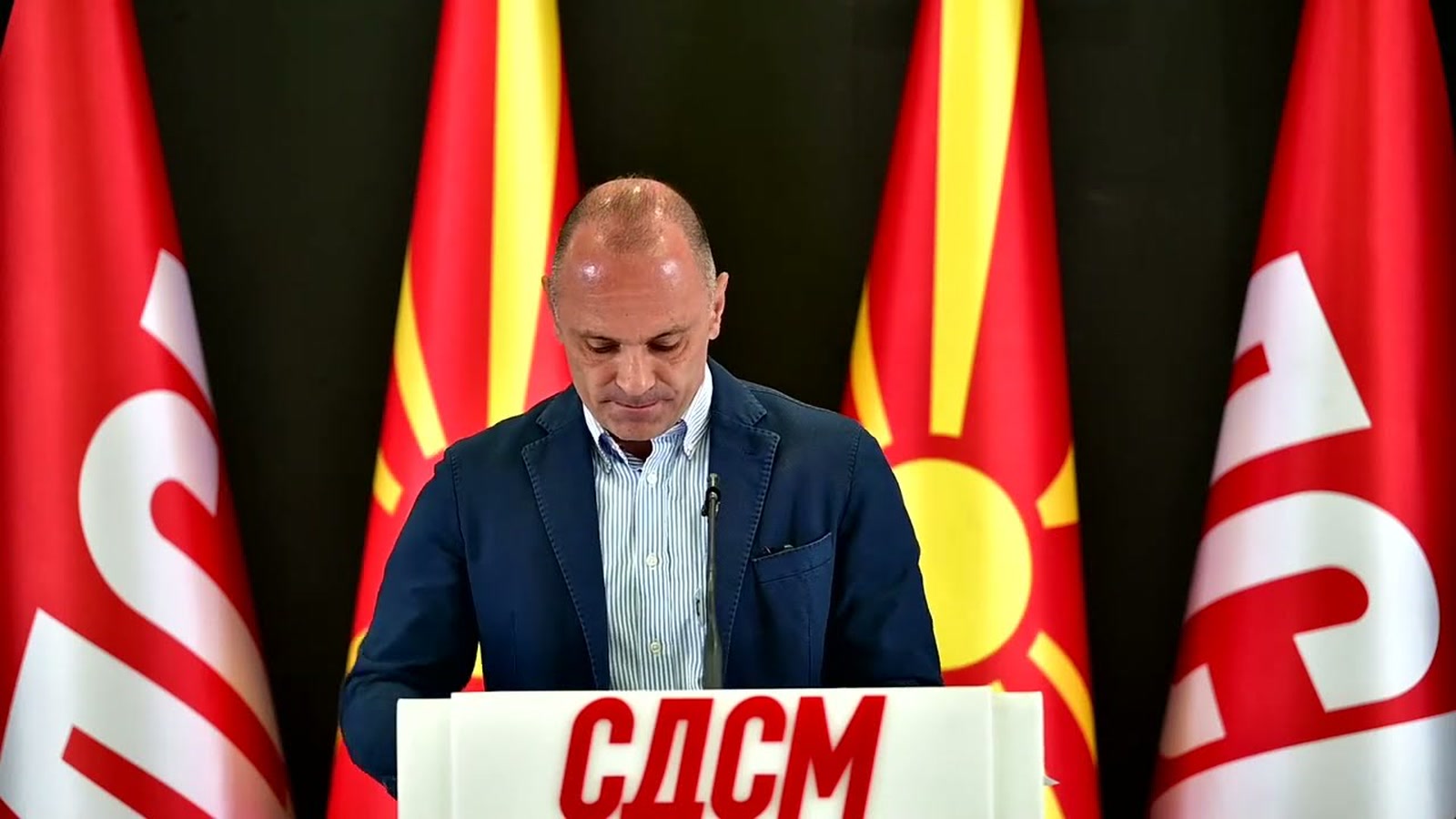
The contaminated water scandal does not end in Gostivar. At a press conference, SDSM leader Venko Filipche disclosed documents, provided by whistleblowers, which he says show that the water at the Hospital for Lung Diseases in Leshok also failed to meet drinking standards for months — and nobody did anything.
Filipche presented a water testing report dated May 13, which established the presence of coliform bacteria.
"Total number of coliform bacteria in 100 milliliters of water — 51. At the hospital in Leshok. At the end of May. Nobody reacted," he said, stressing that this is a healthcare facility housing patients with lung diseases — the most vulnerable category of citizens.
Chlorine at double the permitted level
The opposition leader also warned of a new finding from the Gostivar hospital, according to which the chlorine level in the water was nearly double the permitted amount. Long-term exposure to high concentrations of chlorine, he explained, creates dangerous compounds when it comes into contact with organic matter.
According to Filipche, these are trihalomethanes — compounds associated in the medical literature with carcinogenic effects under long-term exposure. That, he said, makes the question of water quality not merely a local incident but a national public health problem.
Demand for urgent nationwide inspections
In response to the newly revealed documents, Filipche demanded urgent extraordinary inspections and chemical and microbiological analyses of all water supply stations in the country, with results to be published immediately.
He reiterated that alongside expert measures, resignations and criminal accountability must follow for all officials who knew about the findings and did nothing — from the Minister of Health to the directors of public health institutions and the Food and Veterinary Agency.