New clash over modular hospitals: VMRO-DPMNE presses SDSM, Filipche replies from Bihać
VMRO-DPMNE warns of possible new evidence in the Tetovo modular hospital case; SDSM rejects the claims and points to unused patient capacity.
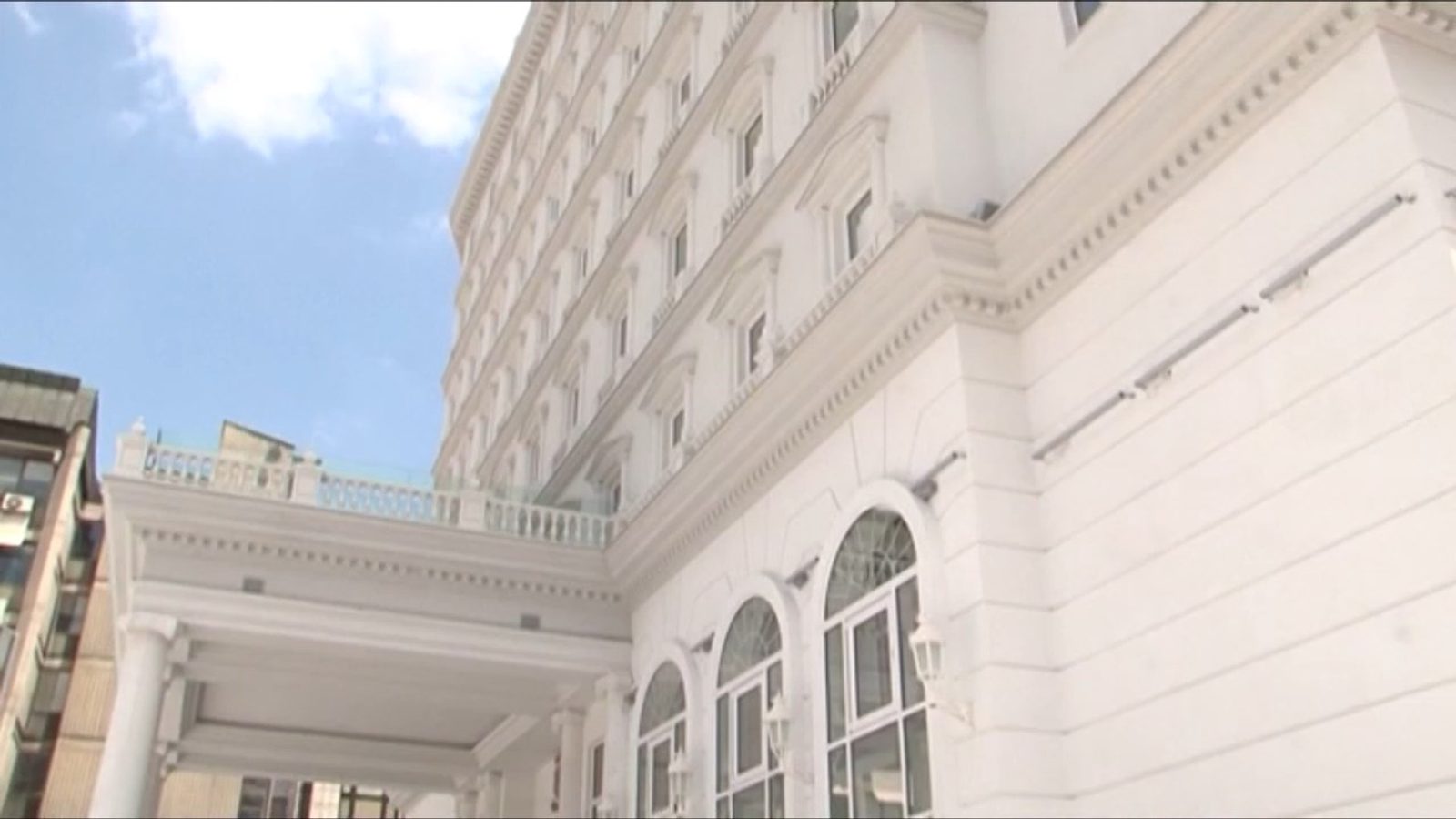
Political tensions over health care resurfaced this week as VMRO-DPMNE renewed warnings directed at SDSM leader Venko Filipche, suggesting he should not be surprised if new evidence in the Tetovo modular hospital case appears and the file is reopened under a new prosecutor. SDSM pushed back from Bihać, accusing the government of failing to address pressing patient needs at facilities that remain closed.
From the party headquarters, MP Mile Lefkov publicly demanded accountability for the families affected by the modular hospital controversy. He said: "There must be justice for the families of the deceased, because they deserve it."
Prosecutor's decision and stalled parliamentary inquiry
The dispute over the modular hospitals intensified after the Public Prosecutor's Office GOK closed its probe into public procurement tied to construction of 19 modular hospitals, concluding that there were no grounds to suspect abuse of official position and authority or any other criminal offence prosecuted ex officio. That ruling remains a focal point in the parties' exchanges.
Filipche, speaking in Bihać, countered by questioning VMRO-DPMNE's priorities: if the party is so concerned about patients' health, why has the "Pet" centre not been put into use, he asked, noting that patients with serious conditions are waiting too long. He also criticised the government for resisting institutions that would operate to European standards and warned that Hristijan Mickoski and party officials who broke the law will have to answer after the elections, a contest Filipche said they are prepared for but which will not serve as their main alibi.
Earlier attempts to establish a parliamentary fact-finding committee—intended to investigate not only the Tetovo modular hospital but also events connected to the Pulse nightclub in Kočani and incidents involving Durmo Tours and Besa Trans—have stalled. Parliamentary groups have repeatedly shifted blame, leaving the initiative stuck in procedural limbo.
As the campaign season advances, health care continues to be a central area of contention between the two main parties, with each side using past procurement decisions and institutional performance to draw contrasts ahead of nationwide elections.
Photo: press material from the event