Croatia flags Macedonian peppers as "serious risk" — emergency meeting in Skopje next week
The EU RASFF lists recent Croatian alerts for Macedonian peppers; Skopje schedules an emergency meeting next week to review causes and testing procedures.
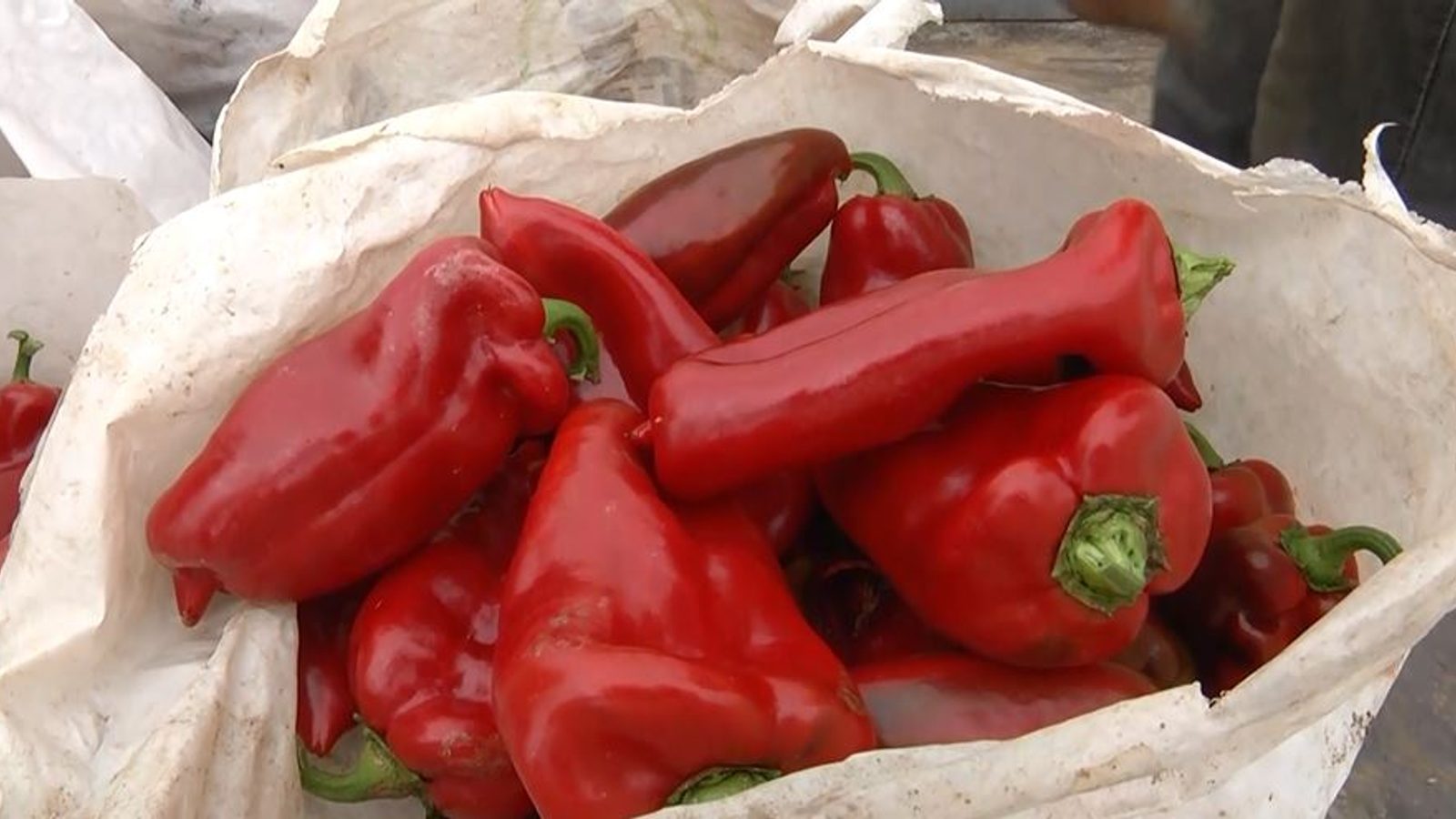
Croatia has flagged a new shipment of Macedonian peppers in the EU Rapid Alert System for Food and Feed (RASFF), marking the consignment as a "serious risk", and authorities in Skopje plan an emergency meeting next week to seek a solution.
What was reported
According to notifications entered into the RASFF database, Croatia submitted two separate alerts within ten days concerning disputed consignments of hot peppers originating from North Macedonia. In the system maintained by the European Commission, at least one of the shipments is listed as posing a "serious risk".
These fresh alerts have intensified scrutiny of the safety of Macedonian fruit and vegetable exports. Croatia previously issued an alarm related to about 50 tons of fruit and vegetables from North Macedonia; those earlier notifications concerned peppers and shipments of plums.
Separately, consignments returned to North Macedonia from Bulgaria and Montenegro — including peppers and table grapes reportedly rejected for pesticide residues above permitted limits — were later released onto the domestic market after laboratory checks by the Food and Veterinary Agency. The agency says laboratory analyses were negative and the batches were subsequently authorized either for sale in the domestic market or for processing.
The Food and Veterinary Agency explained the differing results by saying that: "In many preparations, after the expiry of the time limits from the moment of application to harvest and transport, the chemical agents decompose, that is, their level falls below the maximum permitted concentrations, so they are not harmful to people's health. In the specific cases, the shipments after return were safe, as confirmed by laboratory analyses."
Unofficial information indicates that representatives of the Food and Veterinary Agency and the Inspectorate for Agriculture will meet next week to analyze the causes of the repeated alerts and to find a coordinated response. The recent string of notifications has prompted calls for clearer procedures and better coordination at border controls and in lab testing.
Irena Čačkova
Photo: press material from the event