Siljanovska office probe closed; forensic teams find IT security gaps
Prosecutors found no evidence of misuse of classified documents but forensics uncovered IT vulnerabilities; the broadcast also examined UDBA archives and Alta Bank.
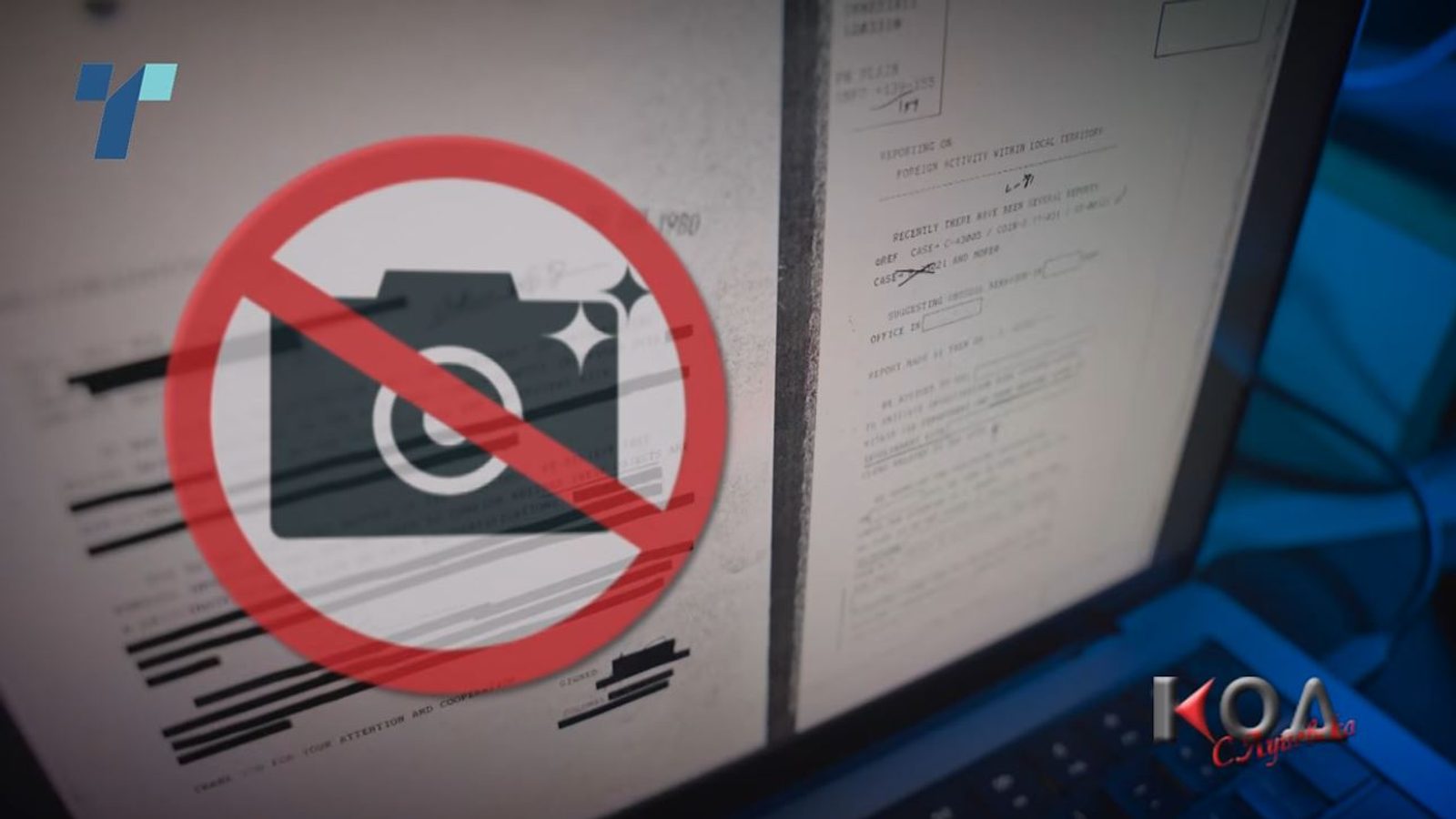
The public prosecutor closed the probe into the so‑called “spy” affair linked to the office of presidential candidate Gordana Siljanovska, concluding there is no evidence that the suspect committed a criminal offence or that classified information and secret documents were used.
At the same time, forensic investigators found security weaknesses in the office’s IT systems. Prosecutors did not disclose who is responsible for those vulnerabilities, whether the gaps have been patched, or whether the new forensic findings could trigger a separate criminal investigation into the security of the computer system and the data it holds.
Archives, regional pressure and money needed for transfers
The broadcast also addressed the question of who holds the archives of the former UDBA and whether they will be opened to the successor republics under rules of succession. After the fall of Aleksandar Vučić and the victory of the student list, Slovenian Prime Minister Janez Janša publicly urged Serbia to open UDBA archives before Slovenia approves Serbia’s next step toward the EU. Croatia has made similar demands, and has asked not only for documents from the SFRY era but also for files from the 1990s and JNA records related to missing persons.
Progress has reportedly been made this year on the transfer of joint archival material. It was agreed that certified copies covering the period immediately after World War II — including documents related to expulsions from Aegean Macedonia and early interstate agreements between the communist governments of Yugoslavia and Bulgaria — would be handed over, but the State Archive says about 30,000 euros are needed to carry out the transfers and has requested the funds from the relevant finance authorities and the government.
Access to security, diplomatic and intelligence files remains restricted by other laws, and many records are still classified. Those collections contain material that Serbian services compiled about Macedonia after independence, including documents related to the assassination attempt on Gligorov. The State Archive also lacks material documenting operations by Belgrade services on Macedonian territory during Vučić’s 14 years in power, a period that saw several intense political and social crises.
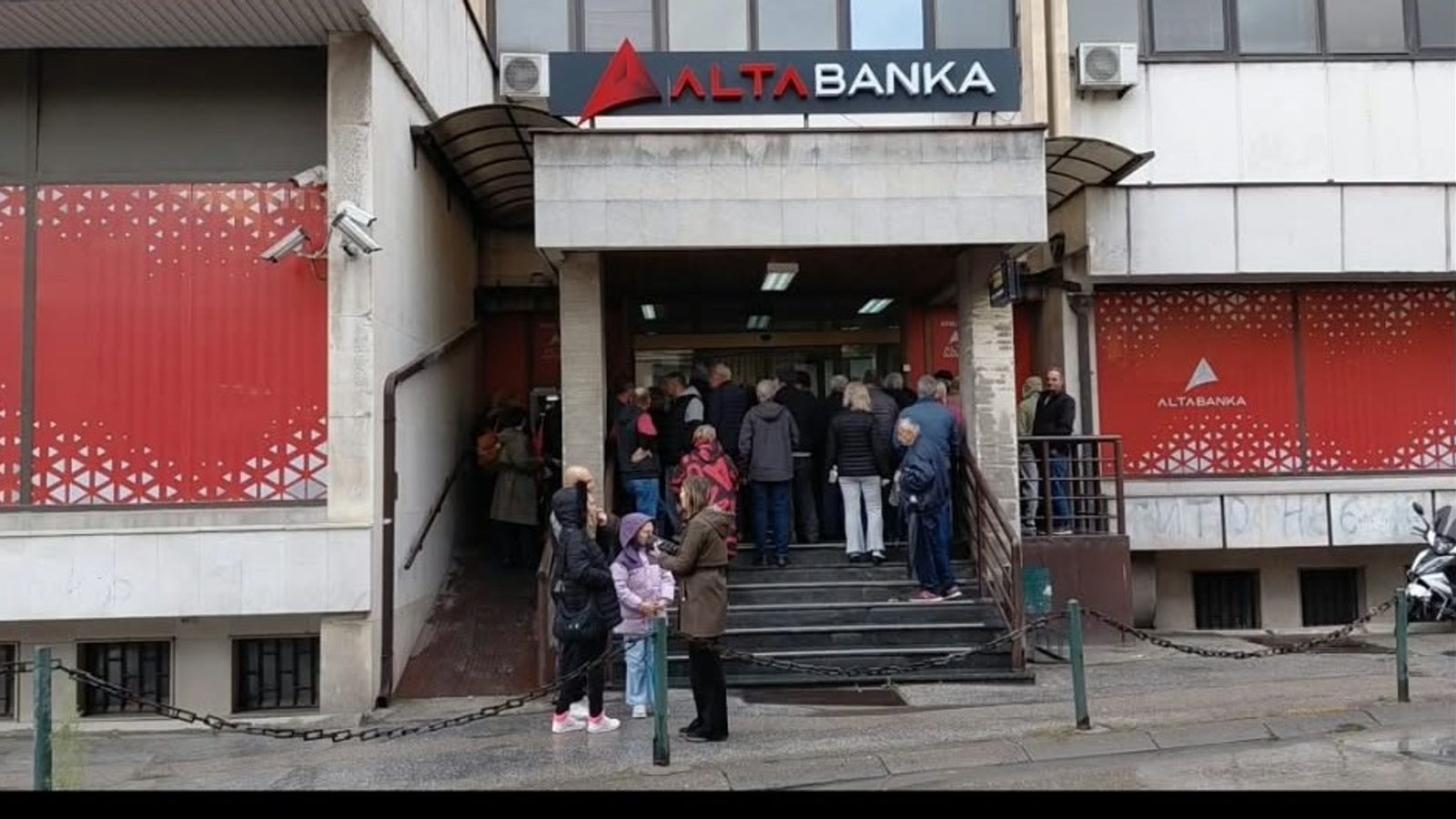
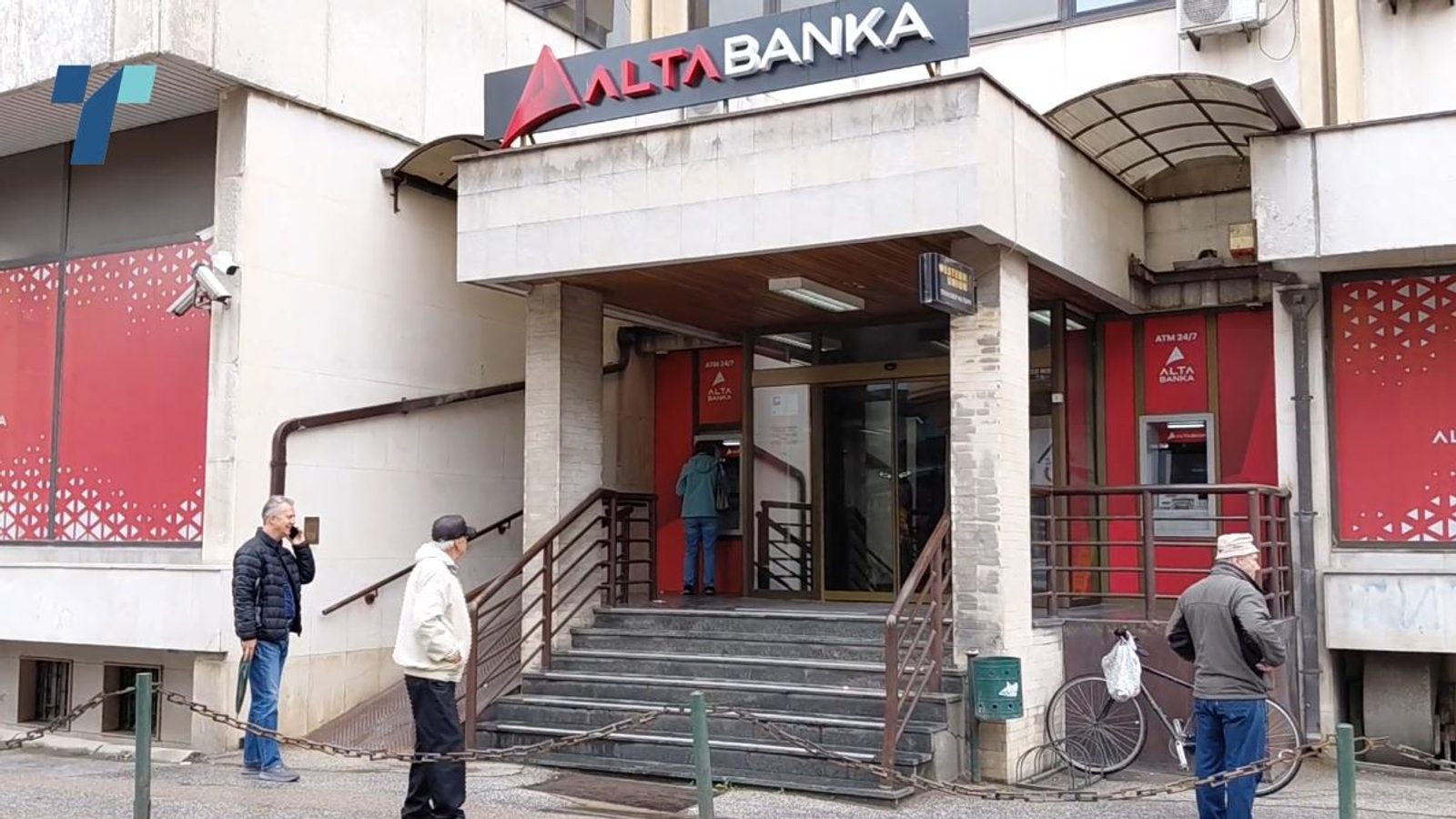
Investigative reporter Vuk Cvijić from the Belgrade outlet Radar discussed the history of Alta Bank. In Serbia the bank has been placed into bankruptcy, while the identically named bank in North Macedonia is currently under administrative supervision. Cvijić and other journalists who opposed Vučić’s policies faced both verbal and physical attacks during his 14‑year rule. The programme referenced earlier reporting that alleged involvement of the Serbian president with criminal underground networks revealed through SKAI communications.
Report contributions were also provided by Miomir Serafinović and Snezana Lupevska Sozen. The episode premiered on 01.11.2026 on TV Telma.
Photo: press material from the event