Police temporarily seized 2,098 vehicles after February Criminal Code changes
From 1 February to 30 October police temporarily took 2,098 cars under expanded seizure rules; Parliament later scaled back one ground for confiscation.
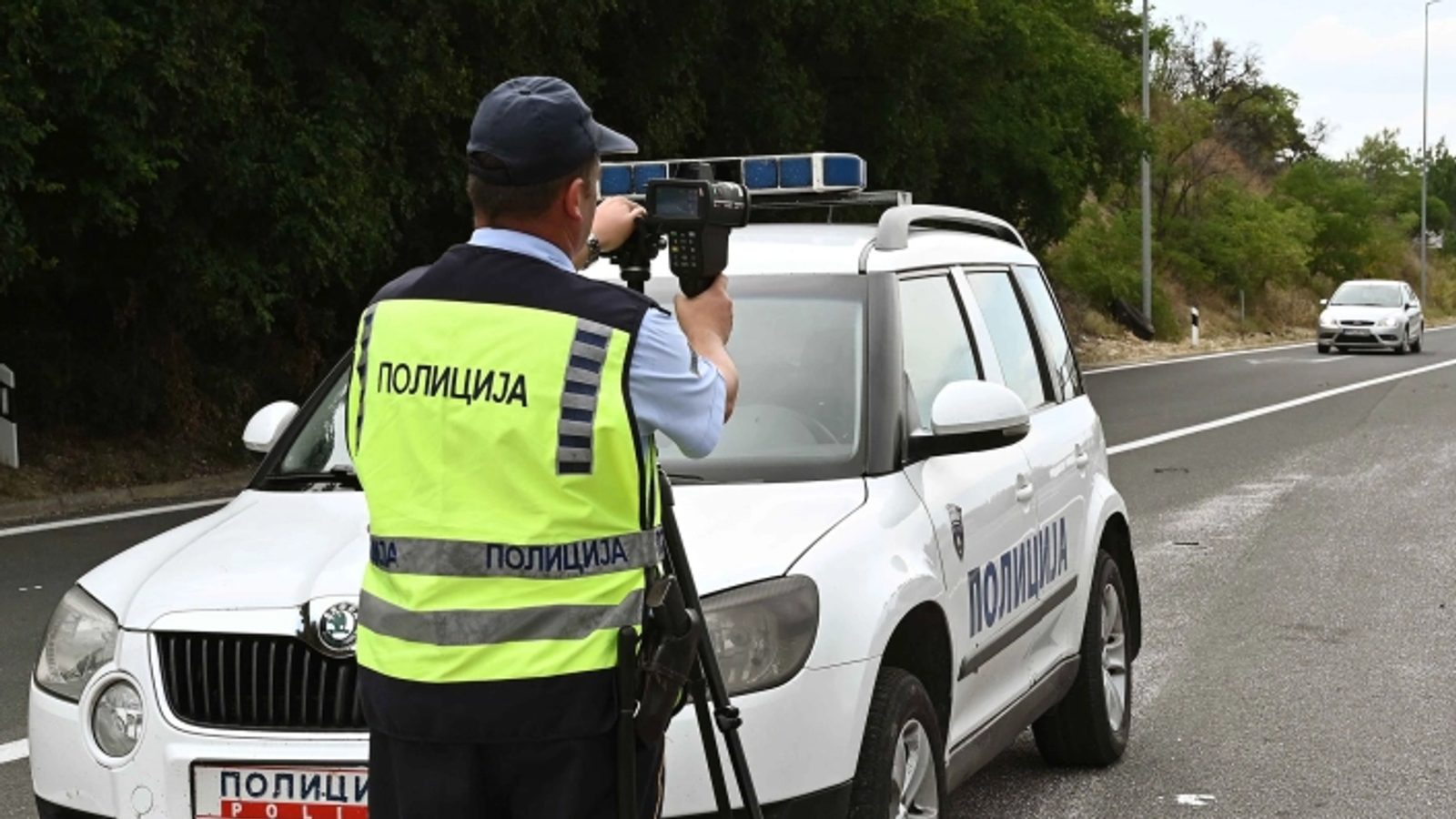
From 1 February to 30 October this year, police temporarily seized a total of 2,098 motor vehicles in connection with the criminal offence of “reckless driving”, the Ministry of Internal Affairs said. The figure follows amendments to the Criminal Code adopted in February that expanded the grounds for vehicle confiscation.
What the law covers
The changes to Article 297‑a make vehicle seizure possible in cases of driving with a blood alcohol concentration above 1.5 g/kg, driving under the influence of drugs or psychotropic substances, driving the wrong way on a divided road or motorway, overtaking on an unseeable stretch of road, or exceeding the speed limit by at least 50 km/h in populated areas or 70 km/h outside them. The article also punishes organisers and participants in illegal races and those who drive without a valid licence or while a driving ban or licence suspension is still in force; the basic penalty range in the article is imprisonment from three months to three years plus a fine.
On the ground, the mass, temporary seizure of vehicles has produced practical and legal problems. Many cars taken by police on a prosecutor’s order remain parked for months at undisclosed locations run by law enforcement, creating disputes over storage conditions and ownership rights.
Attorney Aleksandar Tumanovski, whose client’s car was held at a police station parking lot and exposed to the elements, says the return procedure dragged on even though the vehicle was not retained by court order. "Here I see the problem between the institutions themselves — the police and the prosecution. Because when items are not seized, the prosecutor who issued the oral order must be the same prosecutor to issue an order to the police when the vehicle is not subject to seizure to return that vehicle to those who are the owners of the vehicle. Because, after all, here we touch ownership which is inviolable and still this is a matter of problems that will emerge from these procedures because they were not thought through when these legal provisions were adopted," Tumanovski said.
The Ministry of Internal Affairs says the vehicles are stored at secured locations within the competent organisational units, that capacity is actively managed, and that returns are carried out individually following judicial decisions.
Pressure on police depots is expected to ease after Parliament passed milder legal amendments that remove vehicle seizure solely for driving without a licence, meaning some of the more than two thousand vehicles currently without final court rulings may be returned to owners. Seized cars connected to reckless driving cases are being referred to the Supreme Court as authorities seek a uniform legal practice.
Photo: press material from the event