Macedonia marks 35 years since the 1991 independence referendum
Referendum on 8 September 1991, the 1991 constitution and the peaceful withdrawal of the JNA shaped the country’s first years.
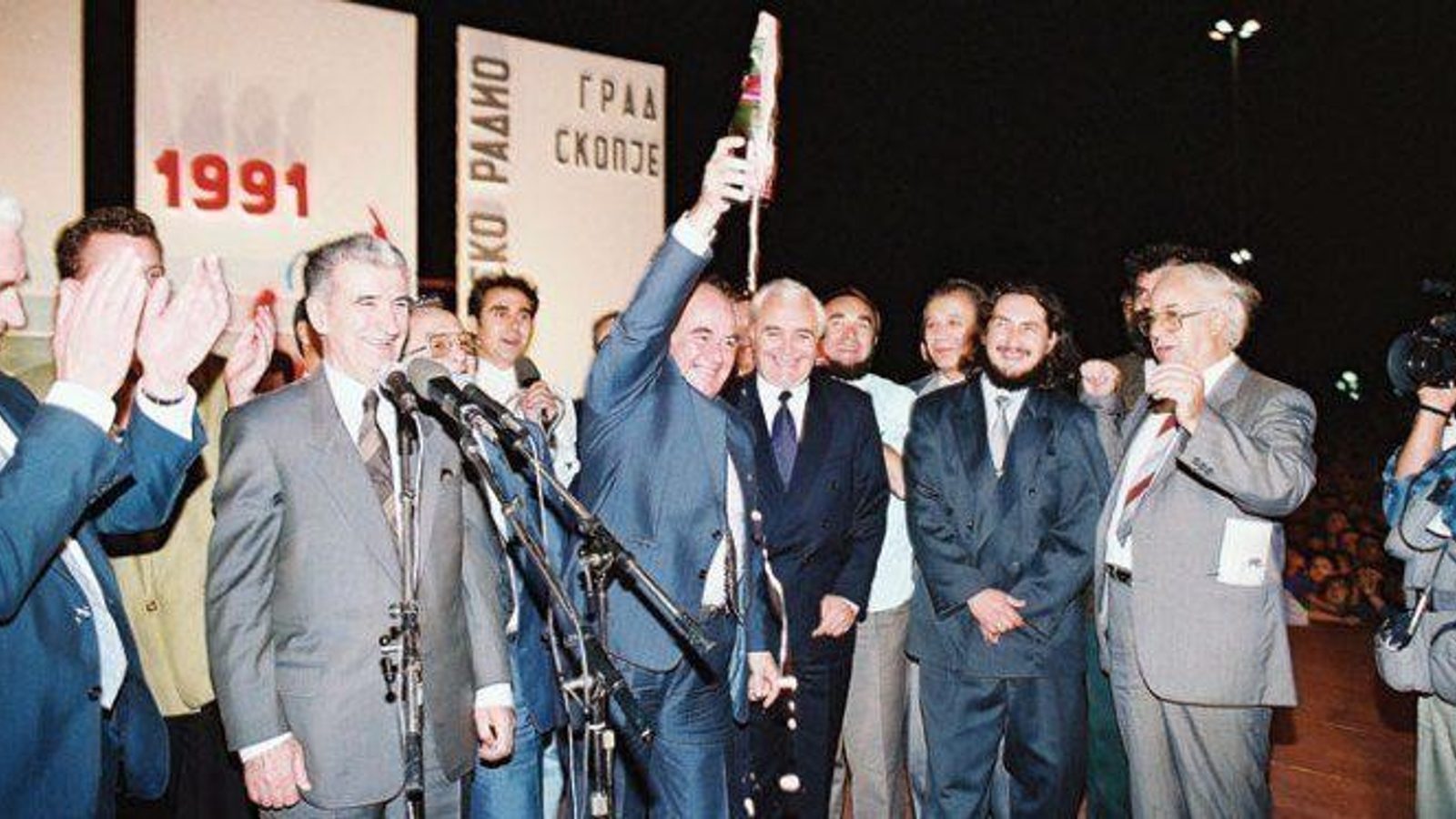
Thirty‑five years after the citizens of Macedonia voted on 8 September 1991 in a landmark referendum to choose sovereignty, the country marks a milestone in its modern history. The referendum — held under the slogan “I vote for Macedonia” — and the events that followed shaped the state’s political and diplomatic trajectory through transition, conflict and reconciliation.
The idea of Macedonian statehood long predates 1991. It draws on nineteenth‑ and early‑twentieth century struggles such as the Ilinden uprising and the Kruševo Republic of 1903, and on the decisions made at the first session of ASNOM. On 2 August 1944 the Anti‑Fascist Assembly for the National Liberation of Macedonia (ASNOM) met at the Prohor Pčinjski monastery and helped lay foundations for later state institutions.
The late 1980s and early 1990s brought rapid political change across Eastern Europe. In Macedonia the transition to a multiparty system culminated in the first competitive parliamentary elections in 1990 and in the declaration of sovereignty on 25 January 1991. A government led by Nikola Kljusev prepared the legal and political framework for a referendum on full independence, for a new constitution and for monetary separation.
p>Referendum and resultsThe referendum question posed to voters was: "Are you for a sovereign and independent state of Macedonia, with the right to enter an eventual union of sovereign states of Yugoslavia?" Under the slogan “I vote for Macedonia”, citizens turned out in large numbers and overwhelmingly supported independence.
Official results show that out of 1,495,807 registered voters, 1,132,981 cast ballots (71.85% turnout). Of those who voted, 1,079,308 answered "yes", equal to 95.26% of votes cast (72.16% of the registered electorate).
That evening a celebration was held on the main square in Skopje. Short addresses were delivered by President Kiro Gligorov, Prime Minister Nikola Kljusev and Speaker Stojan Andov. From the podium President Gligorov addressed the crowd: "Citizens of Macedonia, allow me tonight, to you and to all citizens of Macedonia, to congratulate you on a free, sovereign and independent Macedonia."
From declaration to constitution and the peaceful withdrawal of the JNA
Parliament formally accepted the referendum results on 18 September 1991. The Constitution of the Republic of Macedonia was adopted on 17 November 1991, establishing the legal framework of a sovereign, independent, democratic and social state and defining parliamentary democracy, separation of powers and fundamental rights.
Unlike some other republics of the former Yugoslavia, Macedonia’s path to independence avoided an immediate armed conflict. An agreement on the withdrawal and redeployment of the Yugoslav People’s Army (JNA) from Macedonian territory was signed in Skopje on 21 February 1992 by President Kiro Gligorov and General‑Colonel Blagoje Adžić, chief of the JNA General Staff. Most heavy equipment — artillery, tanks, aircraft and other materiel — was removed from military bases. The last JNA service member left Macedonia on 27 March 1992.
The peaceful military withdrawal did not eliminate the many challenges of state‑building: economic dislocation after the breakup of common markets, regional sanctions, and the complex task of securing international recognition. In the early 1990s Macedonia and Slovenia were the only republics to receive positive assessments from the Badinter Commission that they fulfilled conditions for recognition.
In the decades since, the Republic has faced further tests — including the 2001 conflict and the Ohrid Framework Agreement, the long name dispute and its resolution, bilateral agreements such as the treaty with Bulgaria and the Prespa Agreement — all part of a continuing effort to consolidate statehood, stability and international standing.
Photo: press material from the event