Joshevska‑Anastasovska: Constitutional Court decision raises questions about possible institutional pressure
Member of the Judicial Council says the Court’s action may signal institutional pressure after a civil judge rejected its ruling in the Natasha Stojanovska case.
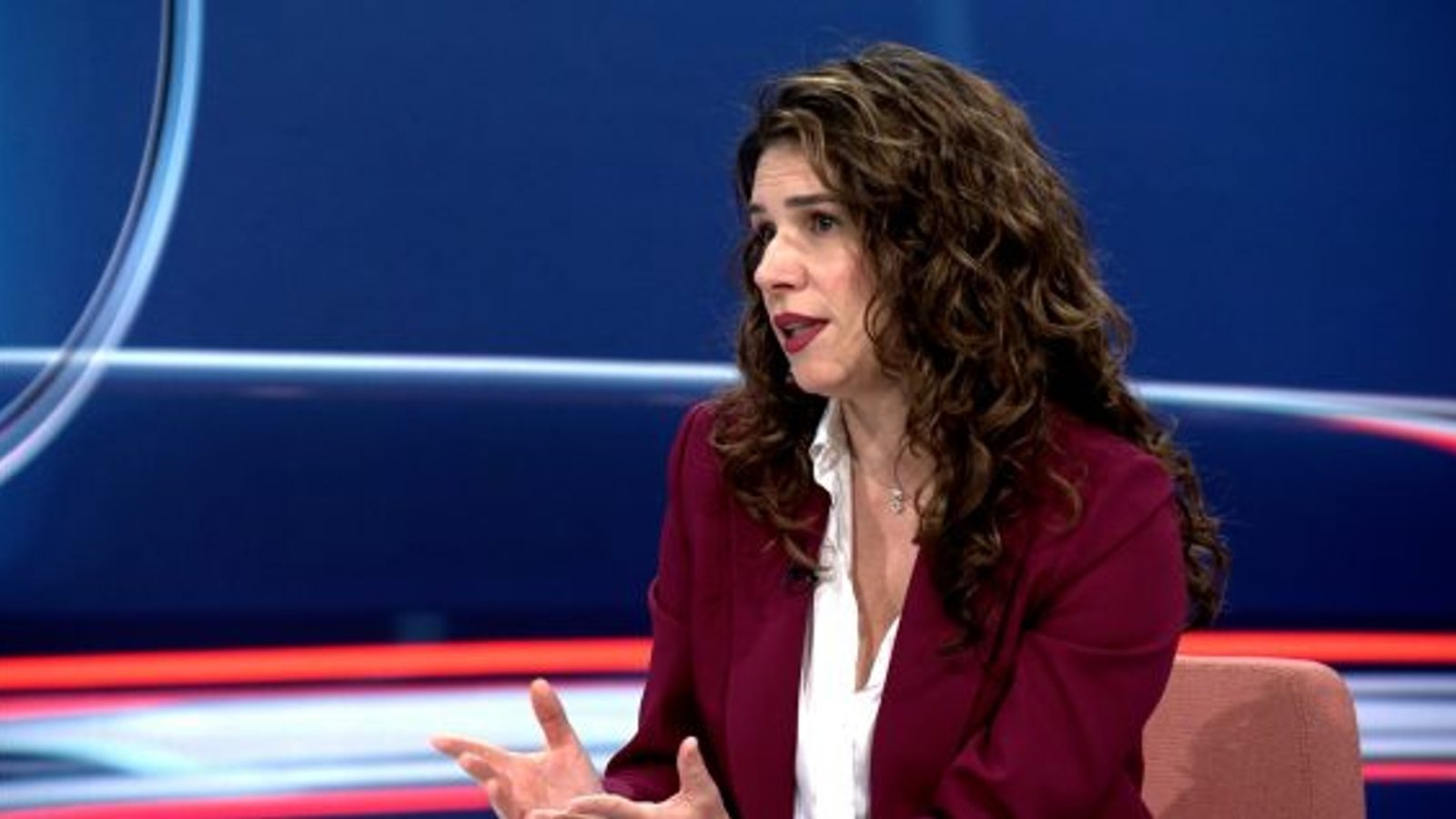
Suzana Joshevska-Anastasovska, a member of the Judicial Council, warned that a recent ruling by the Constitutional Court touches on possible institutional pressure after the Court notified the Judicial Council and the Prosecutor’s Office that a civil court judge had not implemented its decision and had dismissed it as new evidence in proceedings concerning threats to journalist Natasha Stojanovska linked to the events of 27 April 2017.
Joshevska-Anastasovska calls the Court’s move a worrying precedent
Joshevska-Anastasovska said the Court sent its decision to the Judicial Council to prompt “further action” after it found the lower court had not applied a Constitutional Court ruling in the case involving Stojanovska. She stressed the sequence of notifications places the Judicial Council and the Prosecutor’s Office at the centre of a dispute over compliance and possible sanctions.
In a post on Facebook, Joshevska-Anastasovska expressed her personal view: "Sending a Constitutional Court decision to the Judicial Council 'for further action', in which an interpretation of procedural law by a regular judge, in an ongoing procedure, is characterized as 'non-execution of a Constitutional Court decision', with implication of criminal liability, in my personal opinion, raises serious questions about the boundaries between constitutional review and judicial independence. I would say it also touches on questions of possible institutional pressure. This is not about a concrete case and a concrete judge but about establishing a potentially worrying precedent. All the more so because the imprecise phrasing 'for further action' even in its mandatory operative part creates a dilemma whether a legally adequate model of institutional communication between these two constitutional bodies has been chosen."
The Constitutional Court itself alerted the Prosecutor’s Office and the Judicial Council after determining that a civil judge had failed to ensure the exercise of rights and freedoms recognized in the Court’s ruling. The Court emphasized that the finality and enforceability of its decisions are protected and that criminal-law sanctions apply if they are not executed.
According to the Court’s statement, "The Constitutional Court assessed that the Basic Civil Court for Natasha Stojanovska did not enable the realization of the constitutional freedoms and rights of the applicant, although these were established by Decision BZSP.br.8/2025 of the Constitutional Court. The finality and enforceability of the decisions of the Constitutional Court are protected also by criminal-law sanctions in case they are not executed. This criminal offense, including the question of whether there is a refusal to execute and criminal responsibility of a particular person, falls under the competence of the competent public prosecutor's office and the competent court."
The civil judge in the case had relied on provisions of the Law on Civil Procedure, arguing that a Constitutional Court decision cannot serve as a basis for reopening proceedings as a new fact or piece of evidence. The Constitutional Court countered that such situations must be assessed in the light of the Constitution as a whole and noted that the Basic Civil Court had previously developed a practice of taking into account Constitutional Court rulings that pertain to protection of freedoms and rights.
The underlying lawsuit concerns events inside the Assembly of the Republic of North Macedonia on 27 April 2017. Stojanovska, accredited as a journalist for TV 24 Vesti, was present to report on the election of the Assembly speaker and later said she had been subjected to threats and intimidation, prevented from carrying out her reporting duties, and that state authorities had not provided adequate protection.
The situation puts the Judicial Council and the Prosecutor’s Office at a crossroads: on one side stands the Constitutional Court’s finding about threats to press freedom and the duty to enforce its rulings; on the other is the principle of judicial independence and a judge's discretion to apply procedural law in ongoing cases. Observers warn the dispute could set a precedent for how constitutional rulings and ordinary courts interact going forward.
Photo: press material from the event