One year after Orce Gjorgievski: visible steps in Skopje, but core problems persist
Residents and councillors praise some moves — new trucks and green areas — but dispute over buses, pollution and stalled projects continues.
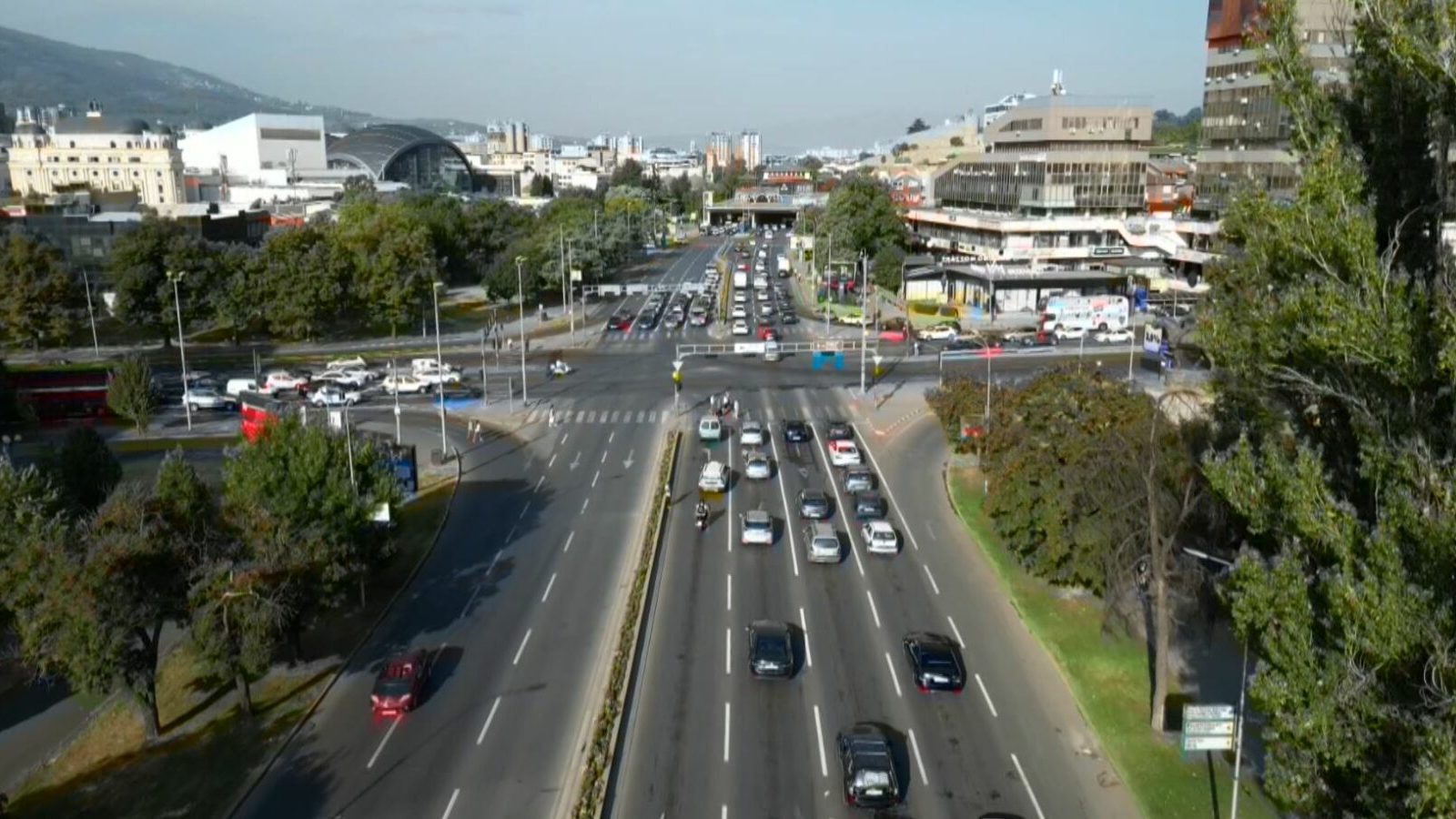
One year after Orce Gjorgievski took office as mayor of Skopje, some municipal projects have advanced while others remain stalled, and public opinion is split over whether the city is genuinely changing or if promises still outpace results.
Progress on waste collection and green space, but transport and pollution remain contentious
Residents point to visible actions — new garbage trucks, fresh containers and ongoing steps to renew the fleet for public transport — yet many stress that problems with hygiene, pollution and buses are not resolved. “Right now I see they brought garbage trucks, they did other things so I won't list them all. There are buses, only someone who is against can complain, I am satisfied,” one resident said, while another was blunt: “He should leave the post because he is no good.”
Critics from the left accuse the city leadership of rejecting cooperation with their councillors and turning down initiatives, only to promote similar solutions later. Levica pointed to a proposed digital platform for reporting illegal dumps that their councillors say was refused, then later presented in a comparable form by the city administration.
Opposition and ruling party voices trade accusations. SDSM representatives argue that VMRO-DPMNE has been part of the city majority for five years and accuse the current municipal leadership of claiming credit for projects started under the previous administration — while problems with public transport, street hygiene and air quality continue.
Independent councillor Jana Belcheva recognises movement on several projects but warns that the measure of success must be concrete results, not only money spent or plans announced. “There are a series of projects happening; now the results from those projects need to be measured somehow. For me it is always a demand that an explanation cannot be that the project was planned and this much money was spent. There must be an indicator of what was actually achieved with that money,” Belcheva said.
From the ruling majority’s perspective, the first year is a success: long-stalled projects were unlocked, infrastructure improved and new green areas were created. Councillor Filip Janevski highlighted ongoing focus areas, including public transport reform, the arrival of new buses for the country — 100 of which are earmarked for Skopje — continued phases of the urban rail project and expanded green surfaces. He also noted alleged reductions in the city’s financial liabilities and public enterprise obligations.
Municipal officials acknowledge failures too: two previous tenders for bus procurement collapsed before a third was approved, a tender for an amusement-park installation failed, and storm damage from roughly four months ago still requires clearing because the city lacks adequate machinery. As winter approaches, critics warn inspections of large polluters have been weak and penalties unclear — a point Levica councillors emphasise as they press for stricter oversight.
Orce Gjorgievski won the 2025 local elections promising a more functional, cleaner Skopje. In his one-year report the city presented lower financial obligations for the municipality and public companies, plus plans for transport, ecology and cultural projects. The mixed verdict from councillors and citizens suggests that, one year in, visible steps coexist with unresolved structural challenges.
Photo: press material from the event