Pentagon prepares new nuclear strategy aimed at Russia and China
Pentagon plan foresees more short-range nuclear options to create stronger deterrence in regional conflicts
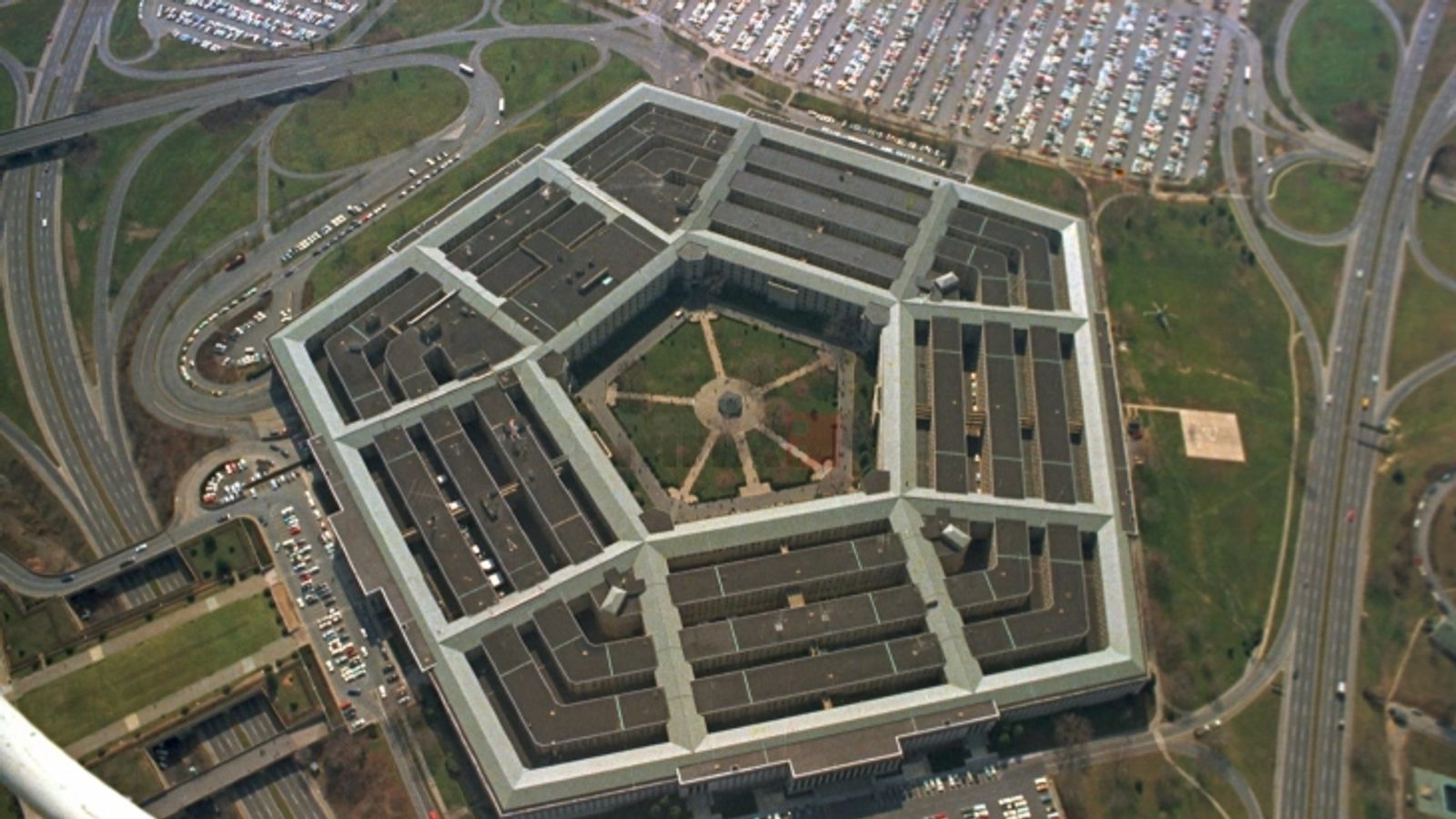
Pentagon sources say the U.S. Department of Defense is preparing a new nuclear strategy intended to provide response options in the event of potential attacks by Russia or China.
According to the document's origin, the aim is to broaden the range of nuclear responses that will be available to U.S. political leadership, especially in situations where allies may be the target of a regional attack. The strategy is intended to make the option of a nuclear response more politically visible and, officials say, more preferable to use in a crisis.
Focus on tactical, short-range weapons
The plan, overseen by the Pentagon's policy chief, Elbridge Colby, emphasizes tactical nuclear armaments with short range — systems with smaller warheads designed for use on the battlefield or against specific military targets — rather than relying mainly on long-range strategic missiles.
A senior Department of Defense official said the Pentagon's stance is that the United States "needs credible nuclear options."
The official explained the intended effect of the change: "- If you really want extended deterrence to be credible, you have to provide the country's political leadership with nuclear capabilities that common sense indicates you would actually be able to use. Otherwise, you reduce the options of our leadership to extreme choices that the adversary will not deem credible, and that will not work well as a deterrent -" the senior Department of Defense official said.
A senior aide in Congress, who is familiar with the proposal, said it is hard to imagine a study more in line with President Donald Trump’s position — that U.S. nuclear deterrence should come back strong. The aide added: "- He obviously wants more options and capabilities, not fewer -" the congressional aide added.
No nuclear weapon has been used in conflict since the United States dropped atomic bombs on Hiroshima and Nagasaki in 1945, which led to Japan's surrender and the end of World War II.
Photo: press material from the event