Petar Arsovski: I do not expect protests from neighbours to spill into North Macedonia
Arsovski says structural grievances exist domestically but mass cross‑border contagion of protests is unlikely; isolated unrest may occur.
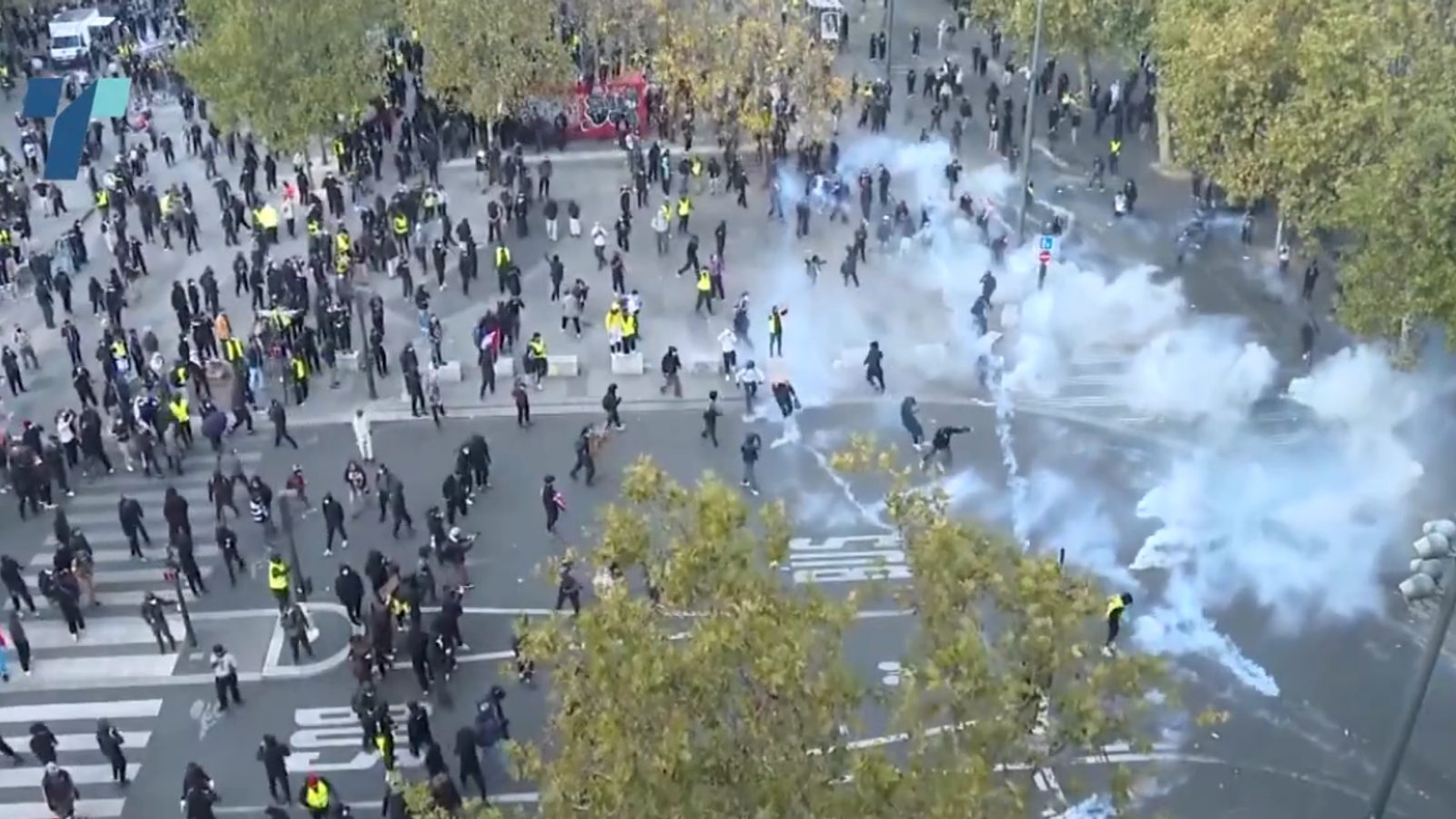
Petar Arsovski, a political analyst, said he does not expect protests currently shaking neighbouring countries and parts of Europe to directly spill over into North Macedonia, after the prime minister warned about possible provocations and interventions by various services.
Arsovski told journalists that while the structural causes of popular discontent exist here as well, the readiness of citizens to mobilise is lower than in many other states. "The structural reasons behind the emerging discontent — namely that younger generations cannot reach the standard of living of older generations — also exist in North Macedonia, but at the moment social extroversion, meaning the readiness to protest, is lower here than in other countries. I do not expect a direct spillover of protests, but I expect sporadic discontent among target groups affected by those issues," he said.
Opposition role and limits
Asked about allegations by Hristijan Mickoski that opposition parties could take part in such scenarios for money and false promises of positions, Arsovski argued that no party currently has the capacity to instigate protests on the scale seen elsewhere. He warned, however, that opposition forces can still gain from unrest.
"It is possible that the opposition will have influence on those protests, because they are de facto in political economy, but if you look at the wave — France, Portugal, Greece, Albania, and now Belgium — the causes are more political. No single party can create mass protests like in Albania or France. It is true that the opposition benefits from those protests, especially in politicized Western Balkan countries, but I do not believe they are direct initiators. They can give later support, but nothing more than that," Arsovski said.
Arsovski therefore expects isolated episodes of unrest among groups directly affected by economic or social problems, rather than a broad, contagious movement sweeping into North Macedonia.
He placed current regional turmoil in context: in Albania multi-week antigovernment demonstrations demanding Prime Minister Edi Rama's resignation — which at times drew health workers and became violent — are ongoing; protests over cost-of-living pressures have erupted in Greece; unions and political tensions fuelled rallies in Bulgaria; long-running anti-government protests persist in Serbia despite the electoral silence; and across Europe demonstrations have spread over inflation, living costs and student and union grievances.
Photo: press material from the event