Indictment filed after worker's death in Ohrid over safety violations
Prosecutors charge two people and two companies after a worker fell into an unsecured lift shaft on 12 January and died on the spot.
The Basic Public Prosecutor's Office in Ohrid has filed an indictment against two natural persons and two legal entities over the death of a worker at a building site, citing multiple criminal charges and failures to follow safety regulations.
The indictment lists the charges as: "Serious offences against public safety under Article 292(4) in connection with Article 288(4) in connection with paragraph 2; Causing general danger under Article 288(5); Violation of labour rights under Article 166; and Failure to take occupational safety measures under Article 170 of the Criminal Code."
According to the indictment, the first accused — a responsible person at one of the accused companies — failed to comply with technical safety rules prescribed by the Law on Construction. As the investor overseeing the building work, he did not secure the elevator shaft with protective fencing, did not keep the site free of unnecessary rubble and waste, left the building entrance unsecured against unauthorised entry, and failed to install guardrails on stairways to prevent falls.
Fatal fall into lift shaft
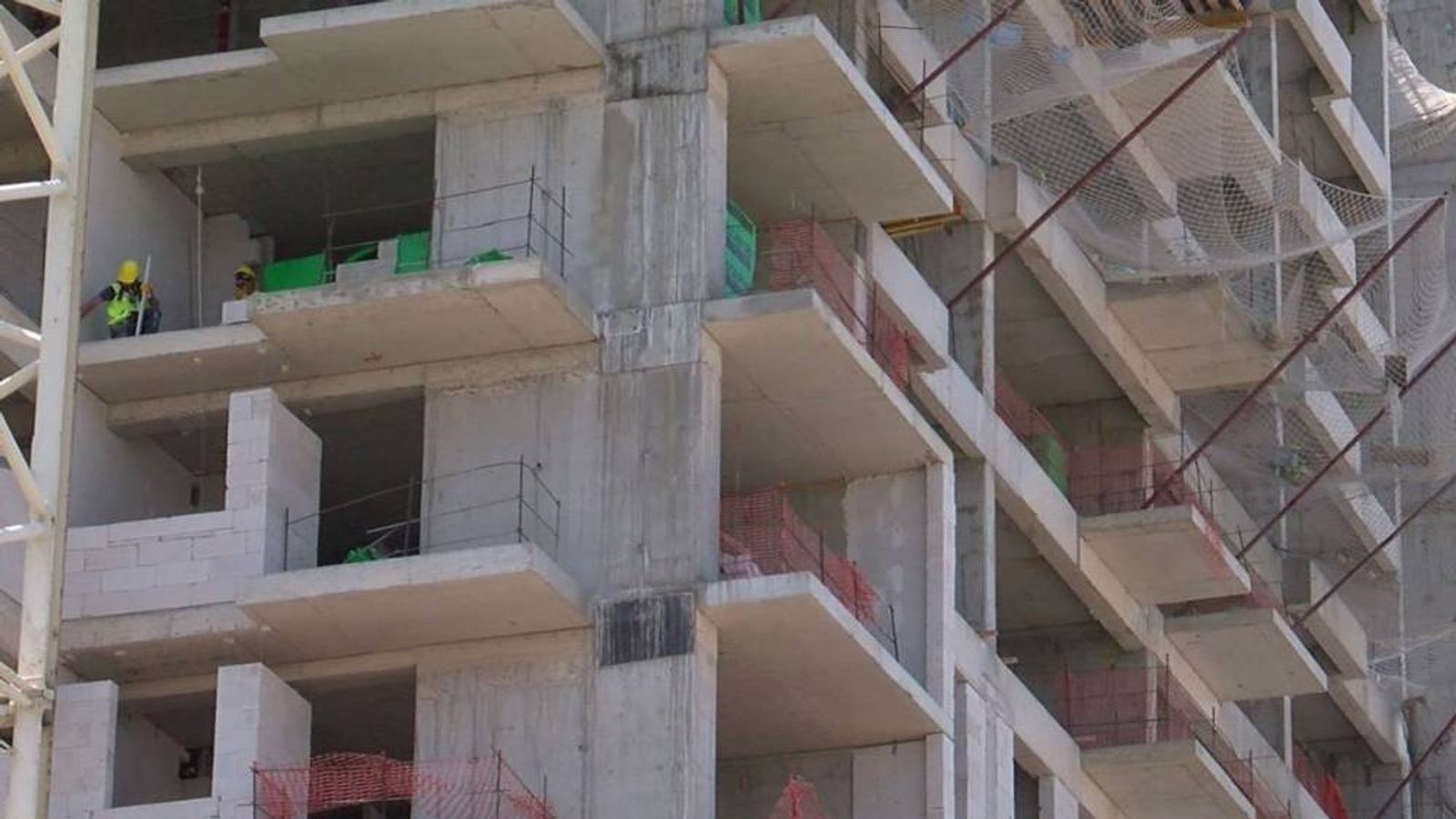
On the morning of 12 January, four workers employed by the second accused company entered the building under construction carrying part of a piece of furniture. When they reached the fourth floor, one worker tripped on a bucket left in a corridor, lost his balance and fell into the lift shaft — the vertical opening that extends down to the basement. He sustained very severe injuries and died at the scene.
The indictment also names the company that hired the workers and its manager, alleging they knowingly ignored labour law and occupational safety requirements. The deceased, Kristijan Ljusev, had been engaged without an employment contract and in a fully unregistered employment relationship. He was allowed to work as an assistant fitter without basic safety training, without a medical examination, and without instructions for working in hazardous and high-risk conditions.
The prosecutor notes that workers carried out tasks on an oral order from the manager, without any workplace risk assessment or review, at a construction site where elevated hazards existed. Because of the failure to follow prescribed safety measures, the accused exposed and caused danger to the life of the worker.
To prevent changes in corporate status or disposal of assets of the accused companies during the proceedings, the prosecutor submitted a proposal to the Basic Court in Ohrid seeking a securing measure: a prohibition on status changes in both defendant firms.
Photo: press material from the event