Forensic report: polyethylene sponge on Puls suspended ceiling did not meet 30‑minute fire‑resistance rule
Court testimony said the material used for the suspended ceiling did not meet the required 30‑minute fire resistance and may have accelerated the blaze.
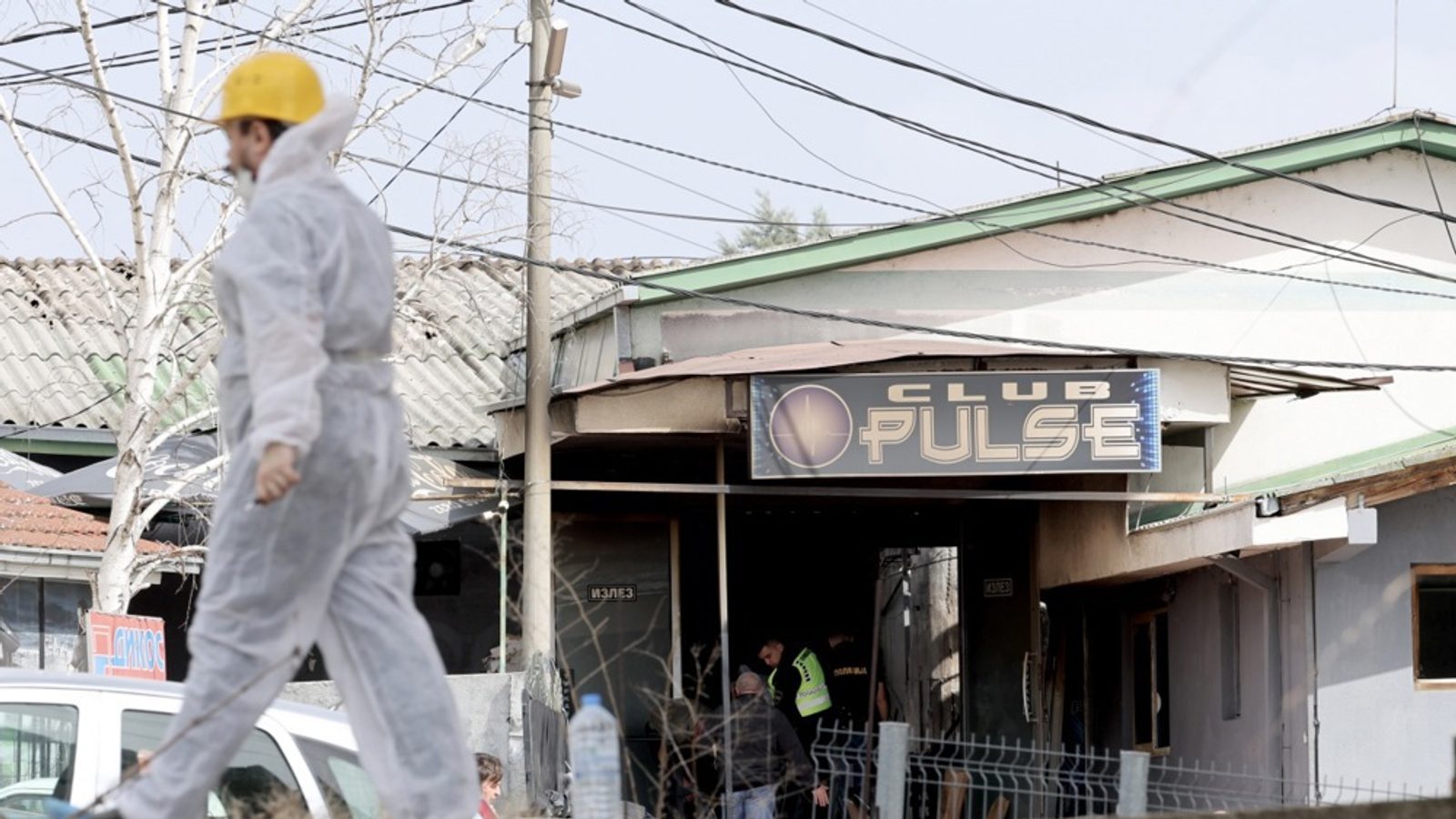
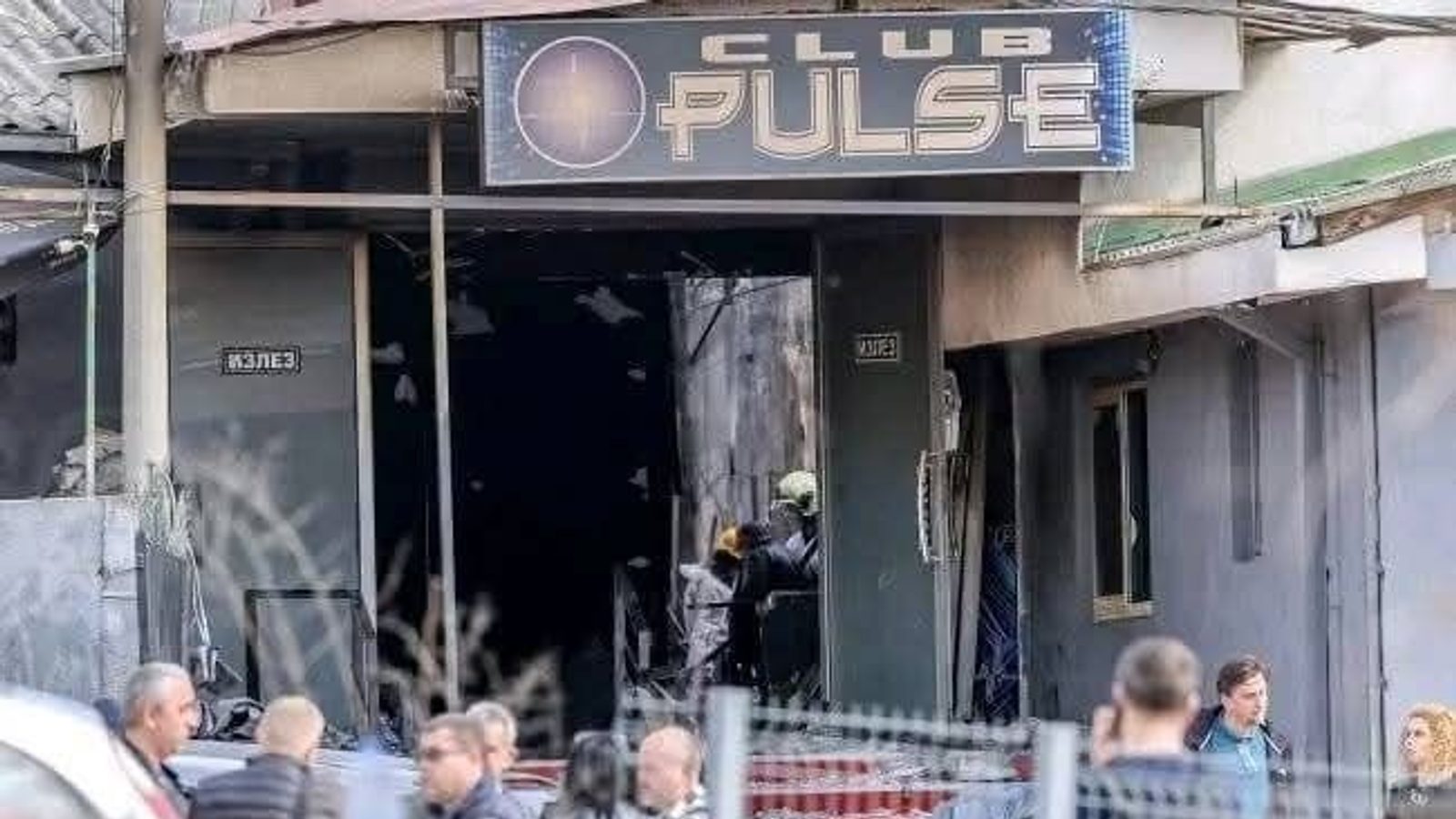
Experts who prepared the structural forensic report for the prosecution said in the Idrizovo courtroom that the polyethylene sponge used to cover the suspended ceiling at the Puls nightclub did not meet fire-protection rules and thus accelerated the blaze that killed 63 people and injured more than 200 on 16 March 2025.
Goran Markovski, a professor at the Faculty of Civil Engineering at the University Ss. Cyril and Methodius and a member of the expert team, told the court that regulations prohibit using materials for suspended ceilings that have a fire resistance of less than 30 minutes. "Polyethylene sponge, unfortunately, does not meet that requirement," he said.
Markovski also said three external elements visible on the building indicate an authorised change of use had not been properly handled: the external stairs, the canopy above them and the illuminated signboard above the entrance. "That is an element for which, according to the Building Law and the rulebook, a permit from the Municipality is required. Considering this, anyone with authority should have reacted solely on the basis of these external elements," he testified.
Experts say works in 2012 and later amounted to reconstruction
The professor confirmed that the construction interventions carried out in 2012 constituted reconstruction, a status that continued into 2024 because the legal clearance for the works had not been completed. He explained that removing and installing galleries also counts as reconstruction because such actions affect fundamental building requirements under the Building Law.
Markovski added that photographic evidence shows the building was properly connected to the electricity distribution system, while the forensic team examined which materials had been installed and how they related to licensing differences between a cabaret and a nightclub. He described the chain of responsibility: project design by qualified professionals, statutory review of designs, material procurement and final confirmation by the civil engineer.
During the hearing some defence lawyers asked to postpone or exclude testimony from one expert; the court interrupted that witness's questioning and ordered prosecutors to continue with other experts. Relatives of victims reacted strongly to defence tactics, saying "suddenly trivial details have become more important than the substance" and warning that sidetracks must not overshadow the accountability for the deaths.
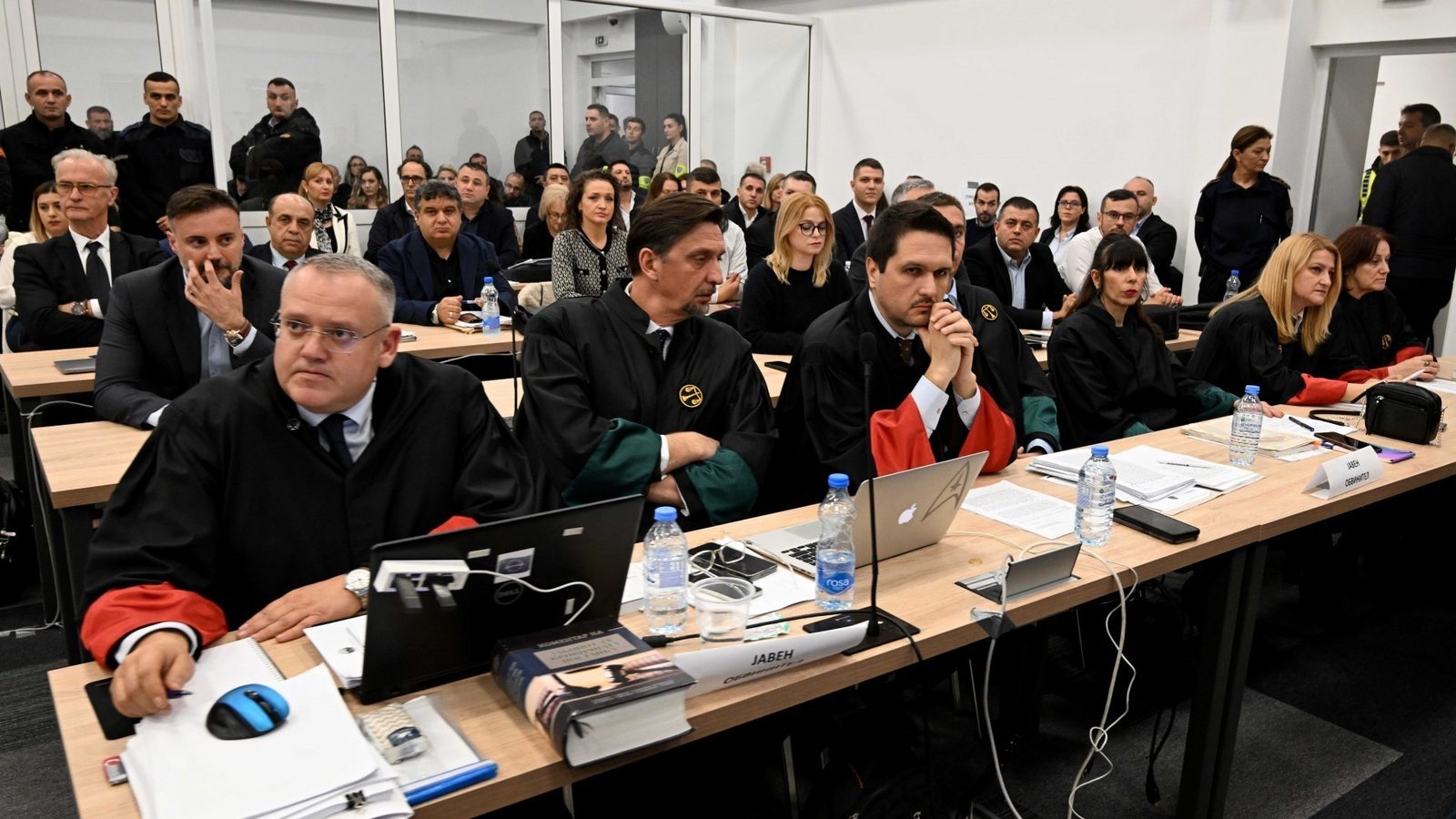
The trial, led by Judge Diana Gruevska-Ilievska and prosecuted by a team of 15 public prosecutors, is in the evidentiary phase. It began on 19 November 2024 and charges 34 people and three companies. The owner of Puls is due to leave custody on 3 October; the first accused, Dejan Jovanov – Deko, told the court through his defence that he is prepared to lodge property as a guarantee that he will not flee once his detention ends.
Photo: EPA-EFE/GEORGI LICOVSKI